
Common antimicrobials help patients recover from MRSA abscesses

NIAID-funded trial counters current thinking about treatment effectiveness.
Methicillin-resistant Staphylococcus aureus (MRSA) bacteria are resistant to multiple antibiotics and commonly cause skin infections that can lead to more serious or life-threatening infection in other parts of the body. In new findings published in The New England Journal of Medicine, researchers found that two common, inexpensive antimicrobials can help patients heal from MRSA skin abscesses. The findings suggest that current treatment options for MRSA still have a role, even as scientists continue to search for new antimicrobial products. The research was funded by the National Institute of Allergy and Infectious Diseases (NIAID), a part of the National Institutes of Health.
The study was conducted at hospitals across the US and involved 796 children and adults with small, uncomplicated skin abscesses. All patients had their abscesses opened and drained as part of standard MRSA treatment. The patients were then sorted into three groups, each of which received a different, 10-day oral treatment regimen. One group received clindamycin, a second group received trimethoprim-sulfamethoxazole (TMP-SMX), and the third group received placebo.
The group treated with clindamycin had an 81.7% cure rate, and the group that received TMP-SMX had an 84.6% cure rate. The placebo group had a 62.9% cure rate. According to the researchers, the findings contradict a commonly held belief that antimicrobial treatment is little better than doing nothing for MRSA skin infections. It corroborates the findings of another NIAID-funded study demonstrating that TMP-SMX treatment resulted in better clinical outcomes than placebo for MRSA skin abscesses, and also upholds other findings that both clindamycin and TMP-SMX are equally beneficial in treating MRSA skin infections.
The researchers note, however, that the side effects of clindamycin and TMP-SMX (including nausea, diarrhea, and possible new Clostridium difficile infections) can be severe. In addition, some strains of Staphylococcus are resistant to clindamycin. The authors recommend that healthcare providers weigh the risks, but not dismiss these antimicrobials out of hand as viable treatment options for MRSA skin abscesses.
Related News
-
News GSK announces £400 million investment in new Cambridge R&D centre
Pharmaceutical giant to establish flagship research facility on Cambridge Biomedical Campus as part of strategic pipeline acceleration
-
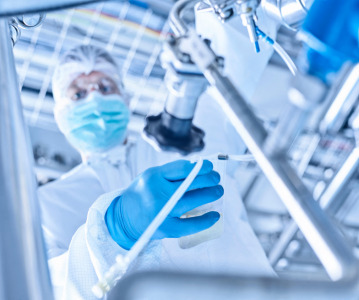
News Understanding the Benefits and Advances of Cleanroom Technology
In an industry where precision and sterility are crucial concerns, cleanrooms play a vital role in maintaining the integrity of pharmaceutical products like drugs, vaccines, and other medical products. So, what is a cleanroom?
-

News AbbVie secures GBP£1.2 billion deal for Gilgamesh’s psychedelic programme
AbbVie has penned a significant agreement to acquire the bretisilocin programme from Gilgamesh Pharmaceuticals for up to £1.2 billion, marking a bold step in the pharmaceutical giant's quest to develop treatments for psychiatric disorders. -

News Gates Foundation commits US$2.5 billion to women’s health research
The Bill & Melinda Gates Foundation has announced a substantial US$2.5 billion commitment to accelerate research and development focused exclusively on women's health through 2030.
-
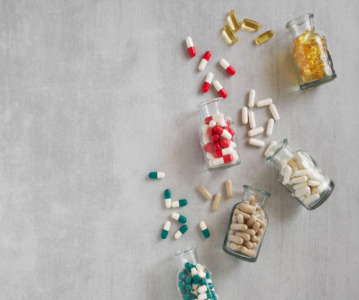
News Mid-year review: notable FDA drug approvals of 2025
As we fly past the halfway point of 2025, the pharmaceutical landscape reliably continues to evolve with innovative therapies addressing critical medical needs. The FDA has already approved 17 groundbreaking medications this year, each representin... -

News US FDA announces new priority vouchers for accelerated review times
The US FDA announced a new priority program for drug developers – the Commissioner’s National Priority Voucher (CNPV) program aims to enhance the health interests of the US by allowing drug developers to redeem a voucher, shortening th... -
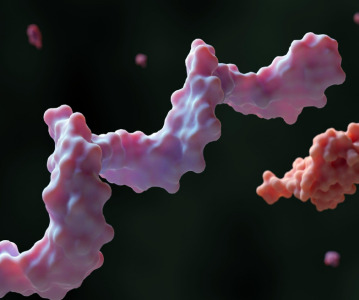
News Google-backed start-up raises US$600 million to support AI drug discovery and design
London-based Isomorphic Labs, an AI-driven drug design and development start-up backed by Google’s AI research lab DeepMind, has raised US$600 million in its first external funding round by Thrive Capital. The funding will provide further power t... -
News AstraZeneca to invest US$2.5 billion in Beijing R&D centre
Amid investigations of former AstraZeneca China head Leon Wang in 2024, AstraZeneca have outlined plans to establish its sixth global strategic R&D centre in China. Their aim is to further advance life sciences in China with major research and manufact...