
Double threat: new drug shows potential against both COVID-19 and cancer
.png)
Researchers have investigated and reported on the potential of GRP78 inhibitors in both reducing the spread of SARS-CoV-2 and as a treatment for certain types of cancers.
USC (Los Angeles, USA) and the Cleveland Clinic Florida Research and Innovation Center (Port St. Lucie, USA) researchers have investigated the role of protein GRP78 in the spread of SARS-CoV-2, and the potential of a particular drug to reduce the virus’ replication.
Research published in the journal Nature Communications explored the key cellular processes of GRP78, a chaperone protein that aids in the regulation of protein folding. Healthy cells require a certain fraction of GRP78 in order to function properly. Cells under stress require more. However, in a study conducted by the Keck School of Medicine (Los Angeles, USA), it was suggested that when the SARS-CoV-2 virus is introduced into a cell, GRP78 is essentially hijacked to work with other cellular receptors to bring the virus inside the cell, allowing for its replication and subsequent spread. Further studies into human lung epithelial cells infected with SARS-CoV-2 demonstrated that as the viral infection intensified, infected cells produced higher levels of GRP78.
Professor of biochemistry and molecular medicine at the Keck School of Medicine Amy S. Lee stated: “A major problem in fighting SARS-CoV-2 is that it is constantly mutating and adapting itself to more efficiently infect and multiply in its host cells... If we keep chasing the virus around, this could become quite challenging and unpredictable.”
The team, led by Lee, utilised a special mRNA tool to investigate the suppression of GRP78 production in human lung epithelial cells in cell culture while not disrupting other cellular processes. These cells were then infected with the SARS-CoV-2 virus and were found to produce a lower amount of the viral spike protein, releasing much less of the virus to infect other cells. This demonstrates that GRP78 is necessary and essential for viral replication and production. Subsequent studies targeted GRP78 with a small molecule drug on the infected lung cells. The drug, HA15, was developed for use against cancer cells, and bind specifically GRP78 to inhibit its activity.
“Lo and behold, we found that this drug was very effective in reducing the number and size of SARS-CoV-2 plaques produced in the infected cells, in safe doses which had no harmful effect on normal cells,” Lee commented.
Along with another GRP78 inhibitor, YUM70, Lee and her team separately studied the effect of HA15 in cancer. Both drugs suppressed the production of mutant KRAS proteins, a mutation that has historically resisted drug treatment. The viability of cancer cells with such mutations was reduced in pancreatic, lung, and colon cancer. While further research and clinical trials are required to establish the safety and efficacy of HA15 and YUM70 in humans, other GRP78 inhibitors are also being investigated as potential treatments for both COVID-19 and cancer.
Source: New drug shows promise for fighting both COVI | EurekAlert!
Related News
-

News Swiss pharma industry warns US tariffs could harm global patient care
The Swiss pharmaceutical sector has raised alarms over new US tariffs on medicines, warning of disrupted supply chains, increased costs, and delayed innovation, all of which could jeopardise patient access to essential treatments worldwide.
-
News Women in Pharma: CPHI India – India’s Pharmaceutical Industry and Gender Inclusion Challenges
India’s pharmaceutical industry has emerged as a significant player in the global market, valued at USD 50 billion in FY 2023-2024, according to Frost & Sullivan’s analysis. This sector encompasses a diverse portfolio, including drugs, vacc... -
News Biogen acquires Apellis Pharmaceuticals to boost immunology and rare disease profile
Biogen Inc. has announced its acquisition of Apellis Pharmaceuticals, Inc., a move that is set to significantly enhance its growth portfolio in immunology and rare diseases. The agreement, valued at approximately US$5.6 billion, will see Biogen purchas... -
News Gilead Sciences acquires Ouro Medicines for over US$2 billion
Gilead Sciences confirms a deal to take over Ouro Medicines, adding to a portfolio of therapies for autoimmune diseases.
-
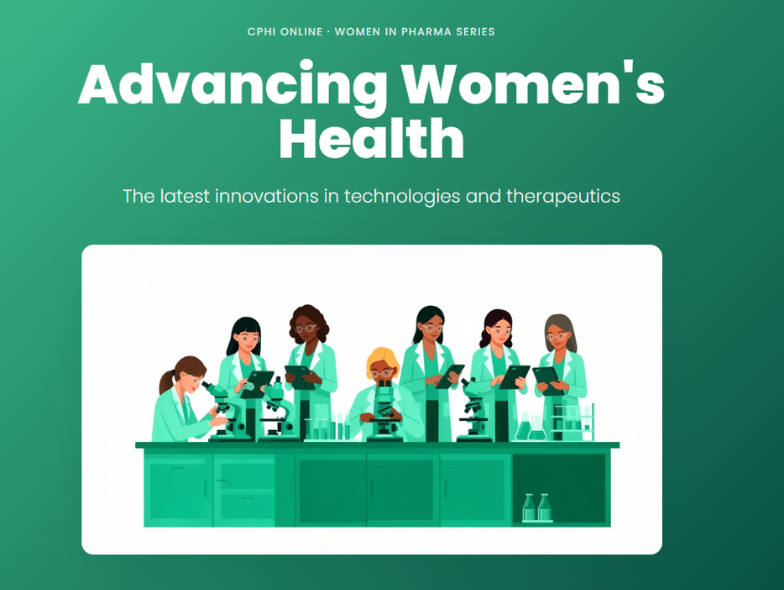
News Women in Pharma: Advancing Women's Health
Discover the latest innovations in technologies and therapeutics that are revolutionising women's health in our latest CPHI Online Women in Pharma infographic.
-

News CPHI Pharma Awards 2026: Recognising Excellence in an Evolving Industry
Submissions now open — deadline May 16
-
News Dr Reddy's to launch generic semaglutide in India
Dr Reddy’s Laboratories, one of India’s leading pharmaceutical companies, is preparing to launch a generic version of semaglutide, branded as Obeda, in March. Obeda is expected to provide a more affordable alternative to Ozempic a... -
News Frontier Biotech and GSK Forge RNA Therapy Partnership
Frontier Biotechnologies and GSK have entered a global licensing agreement to advance small interfering RNA (siRNA) therapeutics. This collaboration grants GSK exclusive rights to develop and commercialise two promising siRNA candidates, marking a mile...