
Erytech collaborates with Queen’s University to advance product candidate for rare metabolic disorders

The collaboration will leverage the expertise of Queen’s University and Erytech’s ERYCAPS platform technology.
Erytech Pharma has entered into a research collaboration with Queen’s University in Canada to advance the preclinical development of Erytech’s eryminase program specifically for the treatment of arginase-1 deficiency, a rare and severe metabolic disorder related to arginine metabolism. The collaboration will leverage the expertise of Queen’s University and Erytech’s ERYCAPS platform technology with the goal of generating in vivo proof-of-concept data in an arginase-1 deficiency animal model.
Arginase-1 deficiency is a rare, inherited disorder of the urea cycle caused by a mutation in the arginase-1 gene, resulting in the accumulation of toxic levels of the amino acid arginine in the blood. Symptoms generally appear in early infancy and include intellectual disability, non-ambulatory muscle stiffness and seizures. It is a debilitating, progressive disease with very limited treatment options currently available.
The collaboration between Erytech and Queen’s University aims to demonstrate the potential of Erytech’s eryminase to lower arginine in the inducible arginase-1 deficiency mouse model developed by the laboratory of Prof. Colin Funk of Queen’s University. Eryminase, a product candidate being developed by Erytech, consists of an arginine deiminase enzyme encapsulated in red blood cells using Erytech’s proprietary ERYCAPS platform technology. Erytech believes the encapsulation of the therapeutic enzymes in the red blood cells can provide effective, long-acting therapeutic activity with reduced toxicity.
Prof. Colin Funk, Queen’s University, commented: “Arginase-1 deficiency is a severe, rare disorder affecting a biochemical pathway that disposes of toxic ammonia. Normally, our bodies are very efficient at removing any ammonia that accumulates after eating a protein-rich meal. However, in patients with arginase-1 deficiency, the ammonia is 'partially detoxified' leading to a large accumulation of the amino acid arginine in the patient’s blood and brain. Erytech’s product candidate eryrminase aims to reduce the level of arginine in blood and thus, has significant potential to reduce negative consequences of this disorder. We look forward to working with Erytech to advance their preclinical program.”
Dr Alexander Scheer, Chief Scientific Officer of Erytech, added: “This is our second collaboration in the field of rare metabolic diseases that underscores the scope of our platform and its applicability to highly specialized and rare conditions beyond oncology. We are very pleased to enter this collaboration with Queen’s University and look forward to working closely on this important program with Dr Funk who specializes in research related to urea cycle disorders.”
Related News
-

News GSK announces £400 million investment in new Cambridge R&D centre
Pharmaceutical giant to establish flagship research facility on Cambridge Biomedical Campus as part of strategic pipeline acceleration
-
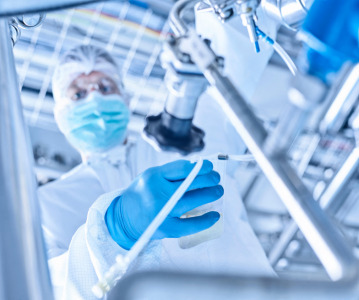
News Understanding the Benefits and Advances of Cleanroom Technology
In an industry where precision and sterility are crucial concerns, cleanrooms play a vital role in maintaining the integrity of pharmaceutical products like drugs, vaccines, and other medical products. So, what is a cleanroom?
-

News AbbVie secures GBP£1.2 billion deal for Gilgamesh’s psychedelic programme
AbbVie has penned a significant agreement to acquire the bretisilocin programme from Gilgamesh Pharmaceuticals for up to £1.2 billion, marking a bold step in the pharmaceutical giant's quest to develop treatments for psychiatric disorders. -

News Gates Foundation commits US$2.5 billion to women’s health research
The Bill & Melinda Gates Foundation has announced a substantial US$2.5 billion commitment to accelerate research and development focused exclusively on women's health through 2030.
-

News Mid-year review: notable FDA drug approvals of 2025
As we fly past the halfway point of 2025, the pharmaceutical landscape reliably continues to evolve with innovative therapies addressing critical medical needs. The FDA has already approved 17 groundbreaking medications this year, each representin... -

News US FDA announces new priority vouchers for accelerated review times
The US FDA announced a new priority program for drug developers – the Commissioner’s National Priority Voucher (CNPV) program aims to enhance the health interests of the US by allowing drug developers to redeem a voucher, shortening th... -
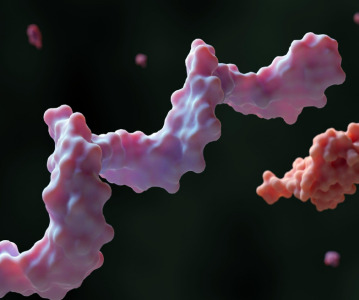
News Google-backed start-up raises US$600 million to support AI drug discovery and design
London-based Isomorphic Labs, an AI-driven drug design and development start-up backed by Google’s AI research lab DeepMind, has raised US$600 million in its first external funding round by Thrive Capital. The funding will provide further power t... -
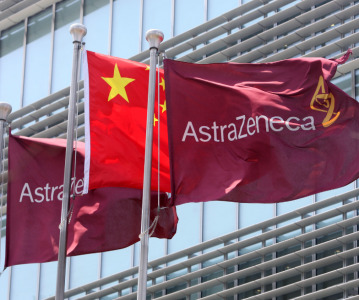
News AstraZeneca to invest US$2.5 billion in Beijing R&D centre
Amid investigations of former AstraZeneca China head Leon Wang in 2024, AstraZeneca have outlined plans to establish its sixth global strategic R&D centre in China. Their aim is to further advance life sciences in China with major research and manufact...