
EU delivers export threat after AstraZeneca cuts Q1 vaccine supply
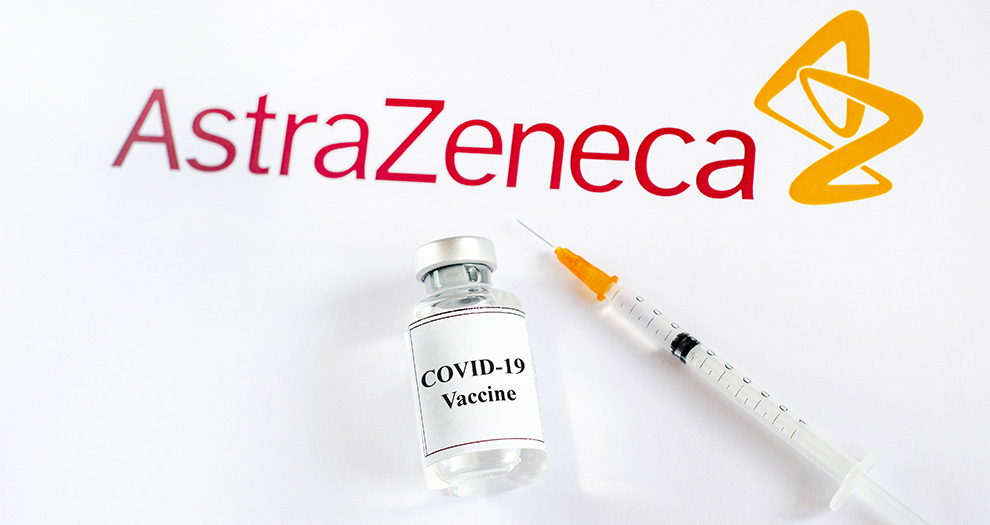
European Commission pressures pharma firm over reduced shipments amid criticism for slow vaccine rollout across block
The European Union has threatened to restrict EU exports of COVID-19 vaccines to third countries after pharma firm AstraZeneca said it was reducing first quarter shipments of its COVID-19 vaccine to the block due to production problems.
Already smarting from reduced Pfizer/BioNTech vaccine supply, the European Commission said it had also proposed the introduction of an “export transparency mechanism” to keep track of all COVID-19 vaccine shipments leaving the block.
Last week, AstraZeneca unexpectedly advised the European Commission of its intention to supply “considerably fewer” doses in the next few weeks than was originally agreed, citing production issues at one of its European facilities.
In August 2020, the EC agreed a supply contract with AstraZeneca for 300 million doses of the vaccine, with an option to purchase 100 million more, on behalf of EU member states.
Of the 100 million doses originally expected in the first quarter of this year, the revised deliveries could now amount to only 40 million shots.
At the time of writing, the AstraZeneca vaccine – which it developed with its partner, the University of Oxford – was on the cusp of receiving the regulatory green light from the European Medicines Agency (EMA).
According to Bloomberg, EU member state governments and AstraZeneca executives were due to discuss the issue again Wednesday evening.
The European Union has been criticized for its sluggish vaccination program so far, which currently lags way behind the pace set by countries such as Israel, the UK and the US in terms of the percentage of the population inoculated.
'Unacceptable'
In a statement Monday, the European Commissioner for Health and Food Safety, Stella Kyriakides, branded the revised schedule “unacceptable” and said she wanted “satisfactory” answers to certain questions: “The European Union wants to know exactly which doses have been produced by AstraZeneca and where exactly so far and if or to whom they have been delivered.”
Kyriakides pointed out that the European Union has supported the rapid development and production of several vaccines against COVID-19 to the tune of €2.7 billion and helped to fund the development and production of the AZ vaccine.
“The European Union wants the ordered and pre-financed doses to be delivered as soon as possible. And we want our contract to be fully fulfilled,” she said.
The EU now wants clarity on transactions and full transparency regarding the export of vaccines from Europe. To that end, all companies producing COVID-19 vaccines in the EU will have to provide advance notification whenever they intend to export the vaccines to third countries.
In an interview with Italian newspaper Repubblica published Tuesday, AstraZeneca chief executive Pascal Soriot said that under the terms of the contract his company signed with the European Commission, it was not under strict obligation to deliver doses on time and had only committed to meet European demand to its “best effort.”
When asked why AstraZeneca’s vaccine production facilities in the UK had not experienced similar issues to those in the EU, Soriot said the company’s supply contract with the UK government had been signed three months before the one with the EU “and therefore we had time to prepare and resolve similar problems while awaiting UK regulatory approval.”
In the interview, Soriot also revealed that the UK government had stipulated in its supply deal with AstraZeneca that it should have priority access to all doses produced within the UK. “In the agreement we signed with the EU, however, it says that the European supply could also come from the UK, but only as a secondary possibility,” he said.
Soriot said that the company would resume its EU vaccine production at maximum capacity “between February and March.”
Related News
-
News Swiss pharma industry warns US tariffs could harm global patient care
The Swiss pharmaceutical sector has raised alarms over new US tariffs on medicines, warning of disrupted supply chains, increased costs, and delayed innovation, all of which could jeopardise patient access to essential treatments worldwide.
-

News Women in Pharma: CPHI India – India’s Pharmaceutical Industry and Gender Inclusion Challenges
India’s pharmaceutical industry has emerged as a significant player in the global market, valued at USD 50 billion in FY 2023-2024, according to Frost & Sullivan’s analysis. This sector encompasses a diverse portfolio, including drugs, vacc... -
News Biogen acquires Apellis Pharmaceuticals to boost immunology and rare disease profile
Biogen Inc. has announced its acquisition of Apellis Pharmaceuticals, Inc., a move that is set to significantly enhance its growth portfolio in immunology and rare diseases. The agreement, valued at approximately US$5.6 billion, will see Biogen purchas... -

News Gilead Sciences acquires Ouro Medicines for over US$2 billion
Gilead Sciences confirms a deal to take over Ouro Medicines, adding to a portfolio of therapies for autoimmune diseases.
-
News Women in Pharma: Advancing Women's Health
Discover the latest innovations in technologies and therapeutics that are revolutionising women's health in our latest CPHI Online Women in Pharma infographic.
-

News CPHI Pharma Awards 2026: Recognising Excellence in an Evolving Industry
Submissions now open — deadline May 16
-
News Dr Reddy's to launch generic semaglutide in India
Dr Reddy’s Laboratories, one of India’s leading pharmaceutical companies, is preparing to launch a generic version of semaglutide, branded as Obeda, in March. Obeda is expected to provide a more affordable alternative to Ozempic a... -
News Frontier Biotech and GSK Forge RNA Therapy Partnership
Frontier Biotechnologies and GSK have entered a global licensing agreement to advance small interfering RNA (siRNA) therapeutics. This collaboration grants GSK exclusive rights to develop and commercialise two promising siRNA candidates, marking a mile...