
First treatment for Acid Sphingomyelinase Deficiency approved by US FDA
.png)
Enzyme replacement therapeutic Xenpozyme has received US FDA approval with an orphan drug designation to treat symptoms of Acid Sphingomyelinase Deficiency, a rare genetic disease.
The US FDA have approved Xenpozyme for intravenous infusion to treat patients with Acid Sphingomyelinase Deficiency (ASMD), a rare genetic disease. Xenpozye will be the first approved medication to treat the symptoms of the disease that are not related to the central nervous system (CNS) for ASMD patients.
Caused by the lack of an enzyme required for the breaking down of a complex lipid known as sphingomyelin, the lipid goes on to accumulate in the liver, spleen, lung, and brain. ASMD patients often present with enlarged abdomens causing pain, vomiting, and difficulties feeding. Severely affected patients may experience significant neurological symptoms. ASMD can cause premature death in pediatric patients, and those that survive into adulthood may die prematurely from respiratory failure. Christine Nguyen, Deputy Director of the Office of Rare Diseases, Pediatrics, Urologic, and Reproductive Medicine at the FDA Center for Drug Evaluation and Research, commented: “ASMD has a debilitating effect on people’s lives and there is a critical need to increase treatment options for patients who suffer from this rare disease.”
Xenpozyme functions as an enzyme replacement therapy, reducing sphingomyelin accumulation in the liver, spleen, and lungs. In a randomized, double-blind, placebo-controlled study of 31 patients, the efficacy of Xenpozyme was demonstrated for the treatment of ASMD with measured treatment benefits, enough for the FDA to conclude that Xenpozyme is effective. Patients on the therapeutic witnessed improved lung function and reduced liver and spleen sizes. Side effects of Xenpozyme include headache, cough, fever, joint pain, and low blood pressure.
In addition to receiving fast track, breakthrough therapy, and priority review designations, Xenpozyme also received an orphan drug designation. Such designations provide incentives to assist and encourage the development of therapeutics for rare diseases. With over 7000 rare diseases affecting more than 30 million individuals in the United States alone, such conditions prove to be life-threatening with little to no treatments available. Nguyen added: “The challenges involved with developing treatments for rare diseases are significant and unique. We believe patients who suffer from ASMD, their families, and their physicians will welcome this long-awaited advancement.”
Related News
-

News Swiss pharma industry warns US tariffs could harm global patient care
The Swiss pharmaceutical sector has raised alarms over new US tariffs on medicines, warning of disrupted supply chains, increased costs, and delayed innovation, all of which could jeopardise patient access to essential treatments worldwide.
-

News Women in Pharma: CPHI India – India’s Pharmaceutical Industry and Gender Inclusion Challenges
India’s pharmaceutical industry has emerged as a significant player in the global market, valued at USD 50 billion in FY 2023-2024, according to Frost & Sullivan’s analysis. This sector encompasses a diverse portfolio, including drugs, vacc... -
News Biogen acquires Apellis Pharmaceuticals to boost immunology and rare disease profile
Biogen Inc. has announced its acquisition of Apellis Pharmaceuticals, Inc., a move that is set to significantly enhance its growth portfolio in immunology and rare diseases. The agreement, valued at approximately US$5.6 billion, will see Biogen purchas... -
News Gilead Sciences acquires Ouro Medicines for over US$2 billion
Gilead Sciences confirms a deal to take over Ouro Medicines, adding to a portfolio of therapies for autoimmune diseases.
-
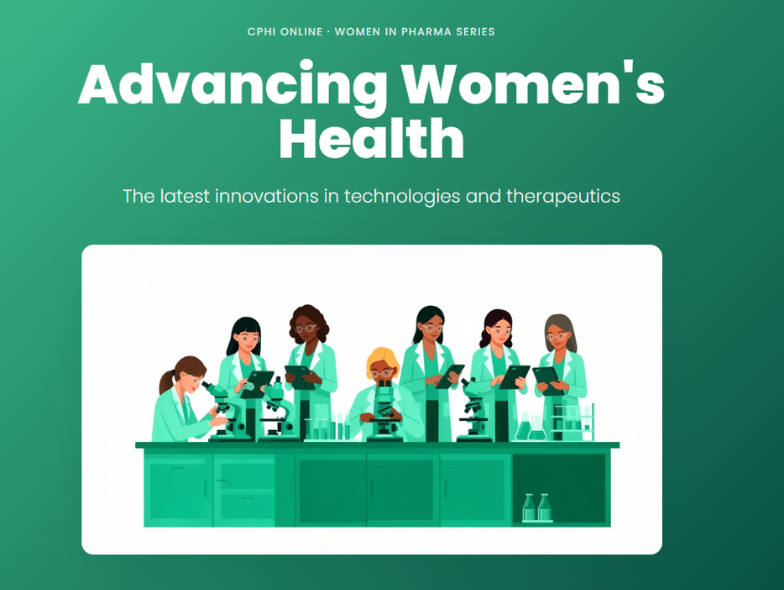
News Women in Pharma: Advancing Women's Health
Discover the latest innovations in technologies and therapeutics that are revolutionising women's health in our latest CPHI Online Women in Pharma infographic.
-

News CPHI Pharma Awards 2026: Recognising Excellence in an Evolving Industry
Submissions now open — deadline May 16
-
News Dr Reddy's to launch generic semaglutide in India
Dr Reddy’s Laboratories, one of India’s leading pharmaceutical companies, is preparing to launch a generic version of semaglutide, branded as Obeda, in March. Obeda is expected to provide a more affordable alternative to Ozempic a... -
News Frontier Biotech and GSK Forge RNA Therapy Partnership
Frontier Biotechnologies and GSK have entered a global licensing agreement to advance small interfering RNA (siRNA) therapeutics. This collaboration grants GSK exclusive rights to develop and commercialise two promising siRNA candidates, marking a mile...