
Fujifilm Diosynth Biotechnologies to establish new viral vector manufacturing facility in Boston
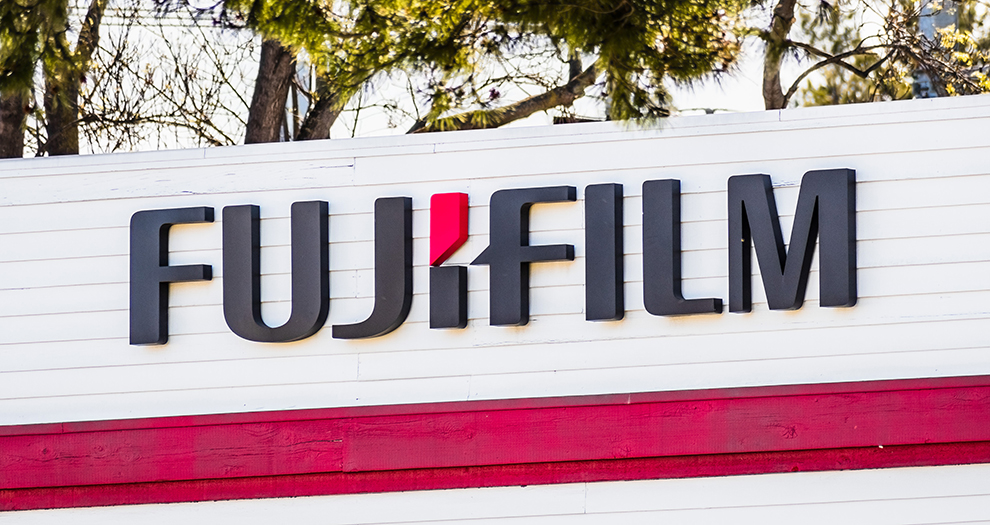
The $40 million investment marks the company's third viral vector manufacturing site
Fujifilm is investing 4 billion yen ($40 million) in its contract development and manufacturing organization (CDMO), Fujifilm Diosynth Biotechnologies, to build a new process development and manufacturing facility for viral vectors and advanced therapies in the greater-Boston area.
The new facility, which represents the third location for viral vector CDMO services provided by Fujifilm Diosynth Biotechnologies, is scheduled to begin process development operations in autumn 2021.
The company's decision to expand manufacturing capacity comes as a direct response to the growing viral vector sector, which is focused on using genes to treat or prevent disease.
The new facility will house experimental and analytical equipment for viral vector and advanced therapy process development, with contract manufacturing services for early phase clinical trials beginning at the site in fall 2023.
The CDMO chose the greater-Boston area to establish its new site for its high concentration of biopharmaceutical companies and academia innovating in the field of advanced therapies.
In 2014, Fujifilm Corporation established viral vector manufacturing offering at the Fujifilm Diosynth Biotechnologies’ site in Texas, US. As the market for viral vectors has continued to expand, Fujifilm has invested a further 13 billion yen (approx. $120 million) in the Texas site to build a new process development facility and to expand existing manufacturing facilities.
More recently, in October last year, Fujifilm Diosynth Biotechnologies announced an investment to provide process and analytical development, and cGMP manufacturing of viral vectors in the UK.
“Together these three sites will enable us to respond to our customers’ needs to support their viral vector manufacturing process from early clinical stage through to commercialization, to ensure these life-saving treatments are available to patients in need,” said Martin Meeson, Chief Executive Officer, Fujifilm Diosynth Biotechnologies.
Related News
-

News Swiss pharma industry warns US tariffs could harm global patient care
The Swiss pharmaceutical sector has raised alarms over new US tariffs on medicines, warning of disrupted supply chains, increased costs, and delayed innovation, all of which could jeopardise patient access to essential treatments worldwide.
-

News Women in Pharma: CPHI India – India’s Pharmaceutical Industry and Gender Inclusion Challenges
India’s pharmaceutical industry has emerged as a significant player in the global market, valued at USD 50 billion in FY 2023-2024, according to Frost & Sullivan’s analysis. This sector encompasses a diverse portfolio, including drugs, vacc... -
News Biogen acquires Apellis Pharmaceuticals to boost immunology and rare disease profile
Biogen Inc. has announced its acquisition of Apellis Pharmaceuticals, Inc., a move that is set to significantly enhance its growth portfolio in immunology and rare diseases. The agreement, valued at approximately US$5.6 billion, will see Biogen purchas... -
News Gilead Sciences acquires Ouro Medicines for over US$2 billion
Gilead Sciences confirms a deal to take over Ouro Medicines, adding to a portfolio of therapies for autoimmune diseases.
-
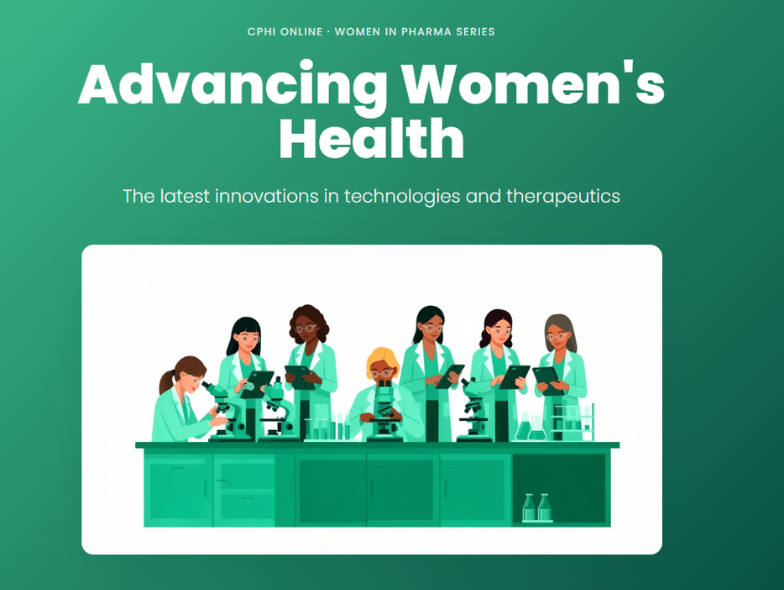
News Women in Pharma: Advancing Women's Health
Discover the latest innovations in technologies and therapeutics that are revolutionising women's health in our latest CPHI Online Women in Pharma infographic.
-

News CPHI Pharma Awards 2026: Recognising Excellence in an Evolving Industry
Submissions now open — deadline May 16
-
News Dr Reddy's to launch generic semaglutide in India
Dr Reddy’s Laboratories, one of India’s leading pharmaceutical companies, is preparing to launch a generic version of semaglutide, branded as Obeda, in March. Obeda is expected to provide a more affordable alternative to Ozempic a... -
News Frontier Biotech and GSK Forge RNA Therapy Partnership
Frontier Biotechnologies and GSK have entered a global licensing agreement to advance small interfering RNA (siRNA) therapeutics. This collaboration grants GSK exclusive rights to develop and commercialise two promising siRNA candidates, marking a mile...