
Gender equity in pharma– beyond the boardroom
.png)
Three reasons why advancing gender equity in healthcare should be a priority for pharma
February 11, 2023 marks International Day of Women and Girls in Science. As we celebrate the contributions of women in the pharmaceutical industry throughout the supply chain, we take a look at a lesser-known challenge facing pharma, that of gender disparity in drug development and healthcare administration.
From clinical trials to post-market surveillance and pharmacovigilance, we hope to highlight the importance of gender equity in pharmaceuticals and the healthcare industry as a whole.
1) A disease may not discriminate based on sex but pharmacodynamics do
Particular drugs can present pharmacodynamic differences between males and females, which could cause potentially fatal outcomes. While sex differences may seem an obvious factor to consider, women have historically lacked representation in studies regarding potential therapeutics for diseases that affect both men and women, whether due to political interventions or from societal biases. Clinical trials of therapeutics that do not account for sex as a variable may put women at risk for impairments not detected in their male counterparts. This was the case for patients taking zolpidem, a drug used for the indication of insomnia [i].
Women taking the drug were found to have twice the level of metabolized product in their bloodstream. This resulted in their being at a greater risk for impaired driving the following morning than men [i]. To achieve an equal understanding of how their products operate within the human body, pharmaceutical companies must not take the male body as the standard and take into consideration the biology of their subjects when trialling innovative drugs, which includes accounting for the female anatomy.
2) Healthcare disparities for women continue to exist even after commercialisation
Various studies have found that women are more likely to receive worse medical treatment than men, half as likely to receive painkillers after surgery, and receive less health monitoring while taking potentially more harmful medication [ii]. This healthcare ‘gender gap’ has manifested within the pharmaceutical industry with the historical exclusion of women in post-market surveillance studies
Though acts such as the US National Institutes of Health Revitalization Act and 1995 Beijing Declaration and Platform for Action have made it clear that the inclusion of women in preclinical and clinical trials is essential to identify sex differences for new drug development, such practices have yet to extend to pharmaceutical research and regulation. In sectors such as post-market pharmacovigilance, use, and access, issues include incomplete product information sheets, and fewer guidelines for women with specific conditions, such as pregnant women, because of their continued exclusion from preclinical or clinical trials [i]. Pharmaceutical players across the drug development, manufacturing, and commercial pipeline must prioritise equal treatment of the sexes in order to ensure patients of any gender, age, or ability have access to the treatments they need.
3) Regulatory approval gap for gender-specific pharmaceuticals could discourage innovation
In both the United States and Japan, Viagra was approved within 6 months for the indication of erectile dysfunction in males. In contrast, both countries took years to approve a medical abortion pill – 4 years for the US FDA and 35 years for the Ministry of Health in Japan [vi]. Both pharmaceutical products pertain to sexual health, yet one prioritises male sexual pleasure and the other does not. With such long wait times to approval and to market, drug innovators may be less inclined to develop products for gender-specific conditions, stymieing true pharmaceutical innovation and perpetuating an imbalanced healthcare environment. While the social politics of these discrepancies can be uncomfortable to discuss within the pharmaceutical lab – a science-based environment that should, ideally, be neutral – it is impossible to claim to be an equal industry when pharmaceutical products are not reaching their intended patients in equal measure.
When considering gender disparity in pharma, we should not only seek the increased representation of women in executive roles or leadership positions, but also an approach to equity which runs throughout the drug development process. As Ilyssa Hollander of Social Sectors Development Strategies Inc. states: “When socio-political influences can jeopardize public health and security, there is a need to control or mitigate, such influences [vi].”
[ii] https://lordslibrary.parliament.uk/womens-health-outcomes-is-there-a-gender-gap
[iii] Making pharmaceutical research and regulation work for women | The BMJ
Related News
-

News Swiss pharma industry warns US tariffs could harm global patient care
The Swiss pharmaceutical sector has raised alarms over new US tariffs on medicines, warning of disrupted supply chains, increased costs, and delayed innovation, all of which could jeopardise patient access to essential treatments worldwide.
-

News Women in Pharma: CPHI India – India’s Pharmaceutical Industry and Gender Inclusion Challenges
India’s pharmaceutical industry has emerged as a significant player in the global market, valued at USD 50 billion in FY 2023-2024, according to Frost & Sullivan’s analysis. This sector encompasses a diverse portfolio, including drugs, vacc... -
News Biogen acquires Apellis Pharmaceuticals to boost immunology and rare disease profile
Biogen Inc. has announced its acquisition of Apellis Pharmaceuticals, Inc., a move that is set to significantly enhance its growth portfolio in immunology and rare diseases. The agreement, valued at approximately US$5.6 billion, will see Biogen purchas... -

News Gilead Sciences acquires Ouro Medicines for over US$2 billion
Gilead Sciences confirms a deal to take over Ouro Medicines, adding to a portfolio of therapies for autoimmune diseases.
-
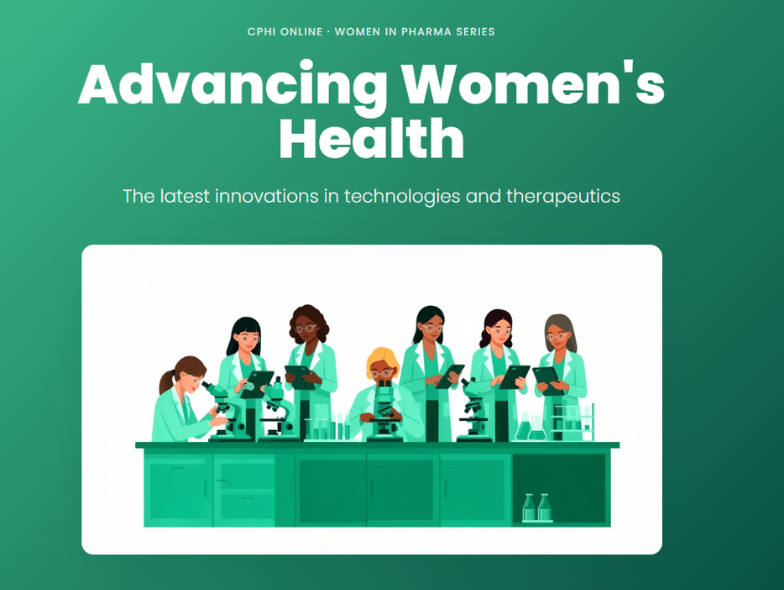
News Women in Pharma: Advancing Women's Health
Discover the latest innovations in technologies and therapeutics that are revolutionising women's health in our latest CPHI Online Women in Pharma infographic.
-

News CPHI Pharma Awards 2026: Recognising Excellence in an Evolving Industry
Submissions now open — deadline May 16
-
News Dr Reddy's to launch generic semaglutide in India
Dr Reddy’s Laboratories, one of India’s leading pharmaceutical companies, is preparing to launch a generic version of semaglutide, branded as Obeda, in March. Obeda is expected to provide a more affordable alternative to Ozempic a... -
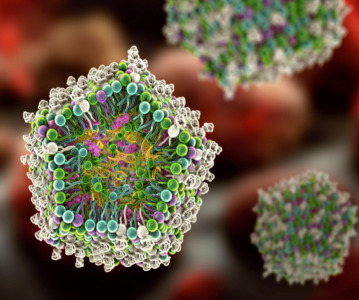
News Frontier Biotech and GSK Forge RNA Therapy Partnership
Frontier Biotechnologies and GSK have entered a global licensing agreement to advance small interfering RNA (siRNA) therapeutics. This collaboration grants GSK exclusive rights to develop and commercialise two promising siRNA candidates, marking a mile...