
New monoclonal antibody developed that can target proteins inside cancer cells
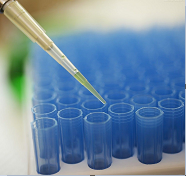
Researchers have discovered a unique monoclonal antibody that can effectively reach inside a cancer cell, a key goal for these important anticancer agents, since most proteins that cause cancer or are associated with cancer are buried inside cancer cells.
Researchers have discovered a unique monoclonal antibody that can effectively reach inside a cancer cell, a key goal for these important anticancer agents, since most proteins that cause cancer or are associated with cancer are buried inside cancer cells. Scientists from Memorial Sloan-Kettering Cancer Center and Eureka Therapeutics have collaborated to create the new human monoclonal antibody, which targets a protein associated with many types of cancer and is of great interest to cancer researchers.
Unlike other human therapeutic monoclonal antibodies, which can target only proteins that remain on the outside of cancer cells, the new monoclonal antibody, called ESK1, targets a protein that resides on the inside of the cell.
ESK1 is directed at a protein called WT1, which is overexpressed in a range of leukemias and other cancers including myeloma and breast, ovarian, and colorectal cancers. WT1 is a high priority target for cancer drugs because it is an oncogenic protein, meaning that it supports the formation of cancer. In addition, it is found in few healthy cells, so there are less likely to be side effects from drugs that target it.
"This is a new approach for attacking WT1, an important cancer target, with an antibody therapy. This is something that was previously not possible," said David A. Scheinberg, MD, PhD, Chair of the Sloan-Kettering Institute's Molecular Pharmacology and Chemistry Program and an inventor of the antibody. "There has not been a way to make small molecule drugs that can inhibit WT1 function. Our research shows that you can use a monoclonal antibody to recognize a cancer-associated protein inside a cell, and it will destroy the cell."
The first studies of the antibody are showing promise in preclinical research as a treatment for leukemia as reported March 13, 2013, in Science Translational Medicine.
"ESK1 represents a paradigm change for the field of human monoclonal antibody therapeutics," said Cheng Liu, PhD, President and Chief Executive Officer of Eureka Therapeutics. "This research suggests that human antibody therapy is no longer limited to targeting proteins present outside cancer cells, but can now target proteins within the cancer cell itself."
ESK1 was engineered to mimic the functions of a T cell receptor, a key component of the immune system. T cells have a receptor system that is designed to recognize proteins that are inside the cell. As proteins inside the cell get broken down as part of regular cellular processes, molecules known as HLA molecules carry fragments of those proteins — known as peptides — to the surface. When T cells recognize certain peptides as abnormal, the T cell kills the diseased cell.
In the current study, the investigators showed that ESK1 alone was able to recognize WT1 peptides and kill cancer cells in the test tube and also in mouse models for two different types of human leukemia. "We were surprised that the antibody worked so well on its own," said Dr. Scheinberg, senior author of the paper. "We had originally expected that we might need to use the antibody as a carrier to deliver a drug or a radioactive therapy to kill the cancer cells, but this was not necessary."
Additional studies must be done in the laboratory before ESK1 is ready to be tested in patients. But the monoclonal antibody was engineered to be fully human, which should speed the time it takes to move the drug into the clinic. Researchers expect that the first clinical trials, for leukemia, could begin in about a year.
The antibody was developed under a collaborative effort between Memorial Sloan-Kettering and Eureka, which have jointly filed for patent protection.
Related News
-
News Novartis signs US$3.2 bn subcutaneous delivery deal with Alteogen
Swiss pharma giant secures access to Korean biotech's ALT-B4 hyaluronidase platform in milestone-heavy agreement, marking Alteogen's fourth major licensing deal of 2026 as competition intensifies in the subcutaneous drug delivery space.
-
News Women in Pharma: The philosophy of pharmaceutical leadership
In this latest instalment of our Women in Pharma series, we sit down with Clarissa Sowemimo-Coker, Chief Strategy Officer at Ambrose Healthcare and CPHI Middle East Advisory Board Member.
-
News The PSCI Supplier Partnership - Collaboration for Responsible Supply Chains
About the Pharmaceutical Supply Chain Initiative The Pharmaceutical Supply Chain Initiative (PSCI) is the leading, member-led association for pharmaceutical companies working collaboratively to build responsible supply chains. Founded in 2006 and es... -
News AstraZeneca shares plunge 8.9% after reports of BMS talks
Britain's largest drugmaker lost more than GBP£17 billion in market value following reports of preliminary merger discussions with Bristol Myers Squibb that could create a pharmaceutical giant worth nearly US$400 billion, though investors rem... -
News GSK announces £400 million investment in new Cambridge R&D centre
Pharmaceutical giant to establish flagship research facility on Cambridge Biomedical Campus as part of strategic pipeline acceleration
-

News The CPHI Sustainability Summit - Where Conversation Becomes Collaboration
The Report Was Never the Destination - “The future of pharmaceutical sustainability won’t be shaped by individual organisations working in isolation. It will be shaped by partnerships, shared expertise and the willingness to work diffe... -

News Trump's generic drug tariffs set to reshape global pharmaceutical supply chains
The US president has announced plans to impose tariffs of up to 200% on imported generic medicines from August 2028, giving manufacturers a two-year window to establish domestic production facilities. The move threatens to upend a global supply chain t... -
News Building Safer, More Responsible Pharmaceutical Supply Chains: PSCI Global Audit Insights
The Pharmaceutical Supply Chain Initiative (PSCI) has released its seventh annual Audit Findings Analysis Report, offering unprecedented insights into supplier practices across the global pharmaceutical and healthcare industry.With a record-breaking 24...