
Novartis drug Afinitor significantly reduces seizures in Phase III study of patients with tuberous sclerosis complex

Everolimus is the first adjunctive therapy shown in a prospective randomized Phase III study to achieve clinically significant seizure control in TSC patients.
Novartis has announced results from a Phase III study showing Afinitor (everolimus), when used as an adjunctive therapy, significantly reduced treatment-resistant seizures associated with tuberous sclerosis complex (TSC) compared to placebo. Patients in all treatment arms were also taking one to three anti-epileptic drugs (AEDs). The study, EXIST-3 (EXamining everolimus In a Study of TSC), is being presented during a plenary session at the 68th Annual Meeting of the American Academy of Neurology (AAN) (Abstract #32430, 9:00-11:00 am PST).
"Approximately 85% of individuals with TSC are affected by epilepsy at some point in their lives, yet nearly two-thirds of these patients do not achieve seizure control with available therapies, and may also experience other potentially serious consequences, such as neuropsychological, cognitive, social or learning disabilities," said Jacqueline A. French, department of neurology, NYU Langone Medical Center and lead investigator of the EXIST-3 trial. "These findings are encouraging as this is the first clinical study demonstrating benefit specifically for TSC patients who suffer from treatment-resistant seizures."
In the study, 366 patients with TSC and treatment-resistant seizures were randomized to receive targeted concentrations of everolimus titrated to Low Exposure (LE; 3-7 ng/mL; n=117) or High Exposure (HE, 9-15 ng/mL; n =130), or placebo (n=119). The percentage reduction from baseline in seizure frequency was significantly greater among patients randomized to everolimus LE (29.3%, P=0.003; confidence interval [CI]=95%) and HE (39.6%, P<0.001; CI=95%) vs placebo (14.9%; CI=95%). Seizure response rate (>=50% reduction) was also significantly greater with everolimus LE (28.2%, P=0.008; CI=95%) and HE (40.0%, P<0.001; CI=95%) vs placebo (15.1%; CI=95%). The most common (>=20%) adverse events (AEs) reported with everolimus LE/HE vs placebo included stomatitis (28.2%/30.8% vs 3.4%), mouth ulceration (23.9%/21.5% vs 4.2%), and diarrhea (17.1%/21.5% vs 5.0%). Serious AEs reported were 13.7%/13.8% vs 2.5%.
"There has been a long-standing need to find a treatment option for TSC patients that provides control of treatment-resistant seizures and we are encouraged that data from the EXIST-3 study show everolimus may have this potential," said Alessandro Riva, Global Head, Novartis Oncology Development and Medical Affairs. "Over the past decade, Novartis has remained committed to the TSC community, improving care for patients and conducting research we hope will bring us closer to addressing some of the most debilitating TSC manifestations."
Tuberous sclerosis complex is a rare genetic disorder affecting up to one million people worldwide and everolimus is the only approved non-surgical option indicated for treating non-cancerous brain and kidney tumours in certain patients with TSC. EXIST-3 study results show that everolimus is the first adjunctive therapy to achieve clinically significant seizure control in TSC patients and will be the basis for discussion with health authorities worldwide.
Everolimus works by inhibiting the mammalian target of rapamycin (mTOR), a protein that regulates multiple cellular functions. TSC is caused by mutations in the TSC1 or TSC2 genes, resulting in hyperactive signaling of the mTOR pathway which can lead to increased cellular growth and proliferation, neuronal hyper-excitability, abnormalities in cortical architecture and network function and impaired synaptic plasticity. Pre-clinical research suggests that hyperactive mTOR activity may influence several mechanisms of epileptogenesis, the gradual process by which the brain develops epilepsy.
Related News
-
News GSK announces £400 million investment in new Cambridge R&D centre
Pharmaceutical giant to establish flagship research facility on Cambridge Biomedical Campus as part of strategic pipeline acceleration
-

News Understanding the Benefits and Advances of Cleanroom Technology
In an industry where precision and sterility are crucial concerns, cleanrooms play a vital role in maintaining the integrity of pharmaceutical products like drugs, vaccines, and other medical products. So, what is a cleanroom?
-

News AbbVie secures GBP£1.2 billion deal for Gilgamesh’s psychedelic programme
AbbVie has penned a significant agreement to acquire the bretisilocin programme from Gilgamesh Pharmaceuticals for up to £1.2 billion, marking a bold step in the pharmaceutical giant's quest to develop treatments for psychiatric disorders. -

News Gates Foundation commits US$2.5 billion to women’s health research
The Bill & Melinda Gates Foundation has announced a substantial US$2.5 billion commitment to accelerate research and development focused exclusively on women's health through 2030.
-

News Mid-year review: notable FDA drug approvals of 2025
As we fly past the halfway point of 2025, the pharmaceutical landscape reliably continues to evolve with innovative therapies addressing critical medical needs. The FDA has already approved 17 groundbreaking medications this year, each representin... -
News US FDA announces new priority vouchers for accelerated review times
The US FDA announced a new priority program for drug developers – the Commissioner’s National Priority Voucher (CNPV) program aims to enhance the health interests of the US by allowing drug developers to redeem a voucher, shortening th... -
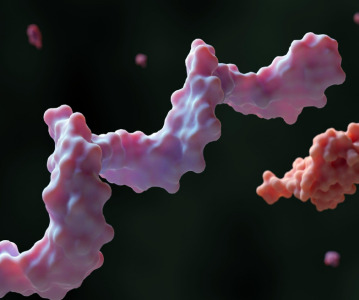
News Google-backed start-up raises US$600 million to support AI drug discovery and design
London-based Isomorphic Labs, an AI-driven drug design and development start-up backed by Google’s AI research lab DeepMind, has raised US$600 million in its first external funding round by Thrive Capital. The funding will provide further power t... -
News AstraZeneca to invest US$2.5 billion in Beijing R&D centre
Amid investigations of former AstraZeneca China head Leon Wang in 2024, AstraZeneca have outlined plans to establish its sixth global strategic R&D centre in China. Their aim is to further advance life sciences in China with major research and manufact...