
Pfizer acquires Seagen to become the leading innovator in cancer therapy
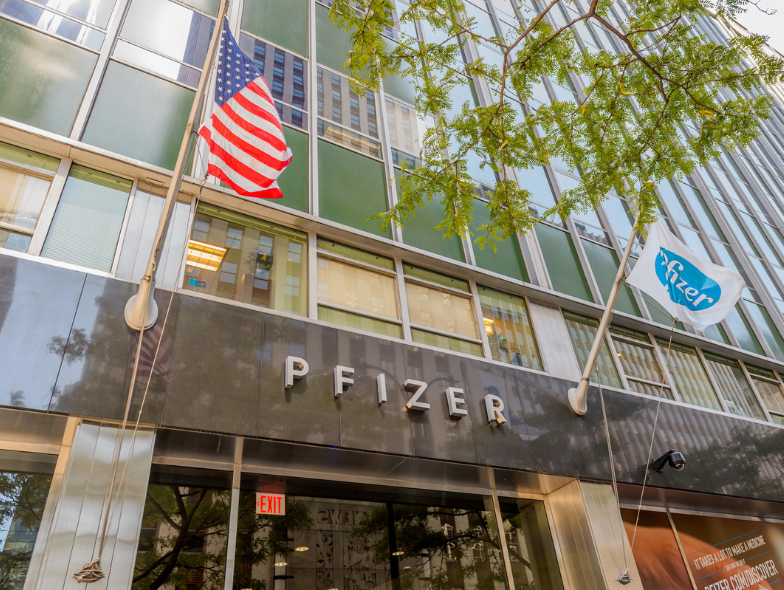
Pfizer makes a bold move in the acquisition of innovative cancer therapy biotechnology company Seagen, the move means the doubling of their pipeline of early-stage therapeutics and gaining four leading ADC therapies.
In a deal worth $43 billion, Pfizer has acquired global biotechnology company Seagen. Seagen is dedicated to discovering and developing revolutionary therapies for cancer.
Through the merger with Pfizer, both Boards of Directors are enthusiastic about the combined ability to improve the lives of patients.
“Pfizer is deploying its financial resources to advance the battle against cancer, a leading cause of death worldwide with a significant impact on public health,” stated Albert Bourla, Pfizer Chairman and Chief Executive Officer. “Together, Pfizer and Seagen seek to accelerate the next generation of cancer breakthroughs and bring new solutions to patients by combining the power of Seagen’s antibody-drug conjugate (ADC) technology with the scale and strength of Pfizer’s capabilities and expertise. Oncology continues to be the largest growth driver in global medicine, and this acquisition will enhance Pfizer’s position in this important space and contribute meaningfully to the achievement of Pfizer’s near- and long-term financial goals.”
Seagen is expected to show a 12% year-on-year growth in 2023, which equates to $2.2 billion in revenue from it’s four flagship medicines, and other royalties. Subject to regulatory approval Seagen’s new medicine candidates are also expected to show good growth, with Pfizer anticipating revenue reaching $10 billion in 2030 and a strong growth outlook from then on.
Seagen is a leader in the development of antibody-drug conjugates (ADCs) in cancer treatment, with four FDA-approved medicines, out of a total of 12 ADCs available on the market. Seagen employs two main novel technologies to develop transformative cancer therapeutics. ADCs use antibodies to target specific cancer cells, and deliver small molecule drugs directly to the tumour site. This improves the efficacy of the drug whilst minimising side effects for patients. The ADC portfolio from Seagen, developed over the last 25 years, includes Adcetris® (brentuximab vedotin), Padcev® (enfortumab vedotin), Tivdak® (tisotumab vedotin), and Tukysa® (tucatinib). They have new medicines in the pipeline as well as upcoming testing on their existing ADCs for new indications, setting them up in a good position for the next few years.
Their other technologies, including sugar-engineering antibody technology, ensures a broad pipeline ahead of the merger with the capability to hopefully treat large patient populations on a global scale. Through the acquisition the companies are hoping Pfizer’s expertise in protein engineering and medicinal chemistry will compliment Seagen’s ADC technology to contrive novel targets and biologics, and drive drug development.
Seagen are working on a number of other avenues for innovation in their technology capabilities, including in Investigational New Drug Applications and antibody platforms such as bi-specific antibodies that work cohesively with the immune system to target tumours.
“Pfizer shares our steadfast commitment to patients, and this combination is a testament to the passion, dedication, and talent of the Seagen team to achieve our mission to discover, develop, and commercialise transformative cancer medicines that make a meaningful difference in people’s lives,” explained David Epstein, CEO at Seagen. “The proposed combination with Pfizer is the right next step for Seagen to further its strategy, and this compelling transaction will deliver significant and immediate value to our stockholders and provide new opportunities for our colleagues as part of a larger science-driven, patient-centric, global company.”
Currently, Pfizer has an impressive cancer medicine portfolio, with 24 approved therapies, including the best-selling medicines for metastatic breast cancer and prostate cancer. In clinical development stages they have 33 programmes, a figure that would double once the merger with Seagen is complete.
“Over the past decade we’ve taken bold new approaches to translating scientific research into effective medicines for people living with cancer, and we have pioneered several breakthroughs in breast cancer, genitourinary cancer, haematological malignancies, and precision medicine,” said Chris Boshoff, Chief Development Officer Oncology and Rare Disease, Pfizer. “The addition of Seagen’s world-leading ADC technology will position us at the forefront of innovative cancer care, and strongly complements our existing portfolio across both solid tumours and hematologic malignancies. We believe the combination of our teams, and respective areas of strength and global footprints will allow us to realise Seagen’s potential and advance even more potential breakthroughs to patients with cancer.”
Subject to closing conditions and the approval of stakeholders, the two pharma giants expect the acquisition to be completed by early 2024.
Related News
-

News Swiss pharma industry warns US tariffs could harm global patient care
The Swiss pharmaceutical sector has raised alarms over new US tariffs on medicines, warning of disrupted supply chains, increased costs, and delayed innovation, all of which could jeopardise patient access to essential treatments worldwide.
-
News Biogen acquires Apellis Pharmaceuticals to boost immunology and rare disease profile
Biogen Inc. has announced its acquisition of Apellis Pharmaceuticals, Inc., a move that is set to significantly enhance its growth portfolio in immunology and rare diseases. The agreement, valued at approximately US$5.6 billion, will see Biogen purchas... -
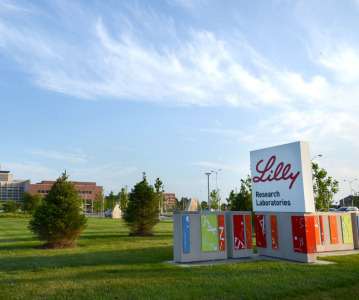
News Eli Lilly confirms Pennsylvania for US$3.5bn manufacturing site
The company plans to create more than 2,800 manufacturing and construction jobs at Lilly's 10th US manufacturing site announced since 2020.
-

News Drug Approvals from 2025 – Triumphs in the midst of challenges
The following infographic outlines key drugs that have been newly approved by the US FDA in 2025. -
News Johnson & Johnson completes acquisition of Halda Therapeutics
Acquisition brings an advanced, highly differentiated treatment for prostate cancer, strengthening Johnson & Johnson’s longstanding commitment to innovation in the disease. Lead asset demonstrates potential to overcome key resistance pathways ... -
News AI-powered therapy offers hope for rare familial polyposis
Recursion Pharmaceuticals has announced promising results from its ongoing early- to mid-stage trial evaluating its AI-powered treatment, REC-4881, for familial adenomatous polyposis (FAP).
-
News CPHI Podcast Series: From Patents to Public Health: The GLP-1 Journey
The latest episode of the CPHI Podcast Series delves into the future of obesity management globally, offering opinins on might happen after patent expirys and new globals players entering the fray.
-
News From Pharma to Table? Direct-to-consumer pharma sales and price cuts ramp up in US
The pharmaceutical industry is witnessing a seismic shift as major companies embrace direct-to-consumer sales models and announce significant price reductions across the United States, responding to mounting pressure from the Trump administration to ta...