
Pfizer and BioNTech COVID vaccine proves 90% effective
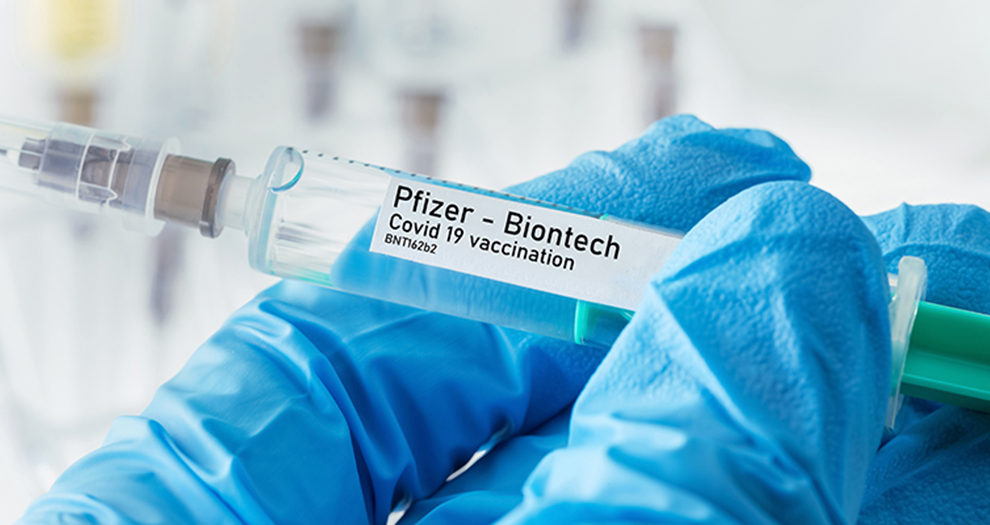
Results from a Phase III clinical study found Pfizer and BioNTech's mRNA-based vaccine candidate, BNT162b2, is more than 90% effective in preventing COVID-19 in participants without evidence of prior SARS-CoV-2 infection, the companies announced Monday.
This outcome is based on the first interim efficacy analysis conducted on 8 November 2020 by an external, independent Data Monitoring Committee (DMC).
“Today is a great day for science and humanity. The first set of results from our Phase III COVID-19 vaccine trial provides the initial evidence of our vaccine’s ability to prevent COVID-19,” said Dr Albert Bourla, Pfizer Chairman and CEO.
Prof. Ugur Sahin, BioNTech co-founder and CEO, described this milestone as a "victory for innovation, science and a global collaborative effort".
The Phase III study, which began on 27 July and has enrolled 43,538 participants to date, is designed to determine whether the companies' vaccine candidate is safe and effective in preventing COVID-19 disease, when compared to placebo.
Participants had a 50% chance of receiving either the vaccine candidate or a placebo (randomized, placebo-controlled), which was given as two doses, three weeks apart.
The case split between vaccinated individuals and those who received the placebo indicates a vaccine efficacy rate above 90%, at 7 days after the second dose.
To date, the DMC has not reported any serious safety concerns and recommends that the study continue to collect additional safety and efficacy data as planned.
The two companies are continuing to accumulate safety data and currently estimate that a median of 2 months of safety data following the second (and final) dose of the vaccine candidate – the amount of safety data specified by the FDA in its guidance for potential Emergency Use Authorization – will be available by the third week of November.
In addition, participants will continue to be monitored for long-term protection and safety for an additional 2 years after their second dose.
Along with the efficacy data generated from the clinical trial, Pfizer and BioNTech are working to prepare the necessary safety and manufacturing data to submit to the FDA to demonstrate the safety and quality of the vaccine product produced.
Based on current projections, Pfizer and BioNTech expect to produce globally up to 50 million vaccine doses by the end of the year and up to 1.3 billion doses in 2021.

Related News
-

News Novartis signs US$3.2 bn subcutaneous delivery deal with Alteogen
Swiss pharma giant secures access to Korean biotech's ALT-B4 hyaluronidase platform in milestone-heavy agreement, marking Alteogen's fourth major licensing deal of 2026 as competition intensifies in the subcutaneous drug delivery space.
-

News Women in Pharma: The philosophy of pharmaceutical leadership
In this latest instalment of our Women in Pharma series, we sit down with Clarissa Sowemimo-Coker, Chief Strategy Officer at Ambrose Healthcare and CPHI Middle East Advisory Board Member.
-

News The PSCI Supplier Partnership - Collaboration for Responsible Supply Chains
About the Pharmaceutical Supply Chain Initiative The Pharmaceutical Supply Chain Initiative (PSCI) is the leading, member-led association for pharmaceutical companies working collaboratively to build responsible supply chains. Founded in 2006 and es... -
News AstraZeneca shares plunge 8.9% after reports of BMS talks
Britain's largest drugmaker lost more than GBP£17 billion in market value following reports of preliminary merger discussions with Bristol Myers Squibb that could create a pharmaceutical giant worth nearly US$400 billion, though investors rem... -

News GSK announces £400 million investment in new Cambridge R&D centre
Pharmaceutical giant to establish flagship research facility on Cambridge Biomedical Campus as part of strategic pipeline acceleration
-

News The CPHI Sustainability Summit - Where Conversation Becomes Collaboration
The Report Was Never the Destination - “The future of pharmaceutical sustainability won’t be shaped by individual organisations working in isolation. It will be shaped by partnerships, shared expertise and the willingness to work diffe... -

News Trump's generic drug tariffs set to reshape global pharmaceutical supply chains
The US president has announced plans to impose tariffs of up to 200% on imported generic medicines from August 2028, giving manufacturers a two-year window to establish domestic production facilities. The move threatens to upend a global supply chain t... -

News Building Safer, More Responsible Pharmaceutical Supply Chains: PSCI Global Audit Insights
The Pharmaceutical Supply Chain Initiative (PSCI) has released its seventh annual Audit Findings Analysis Report, offering unprecedented insights into supplier practices across the global pharmaceutical and healthcare industry.With a record-breaking 24...