
Pfizer to sell Chinese biologics manufacturing facility to WuXi
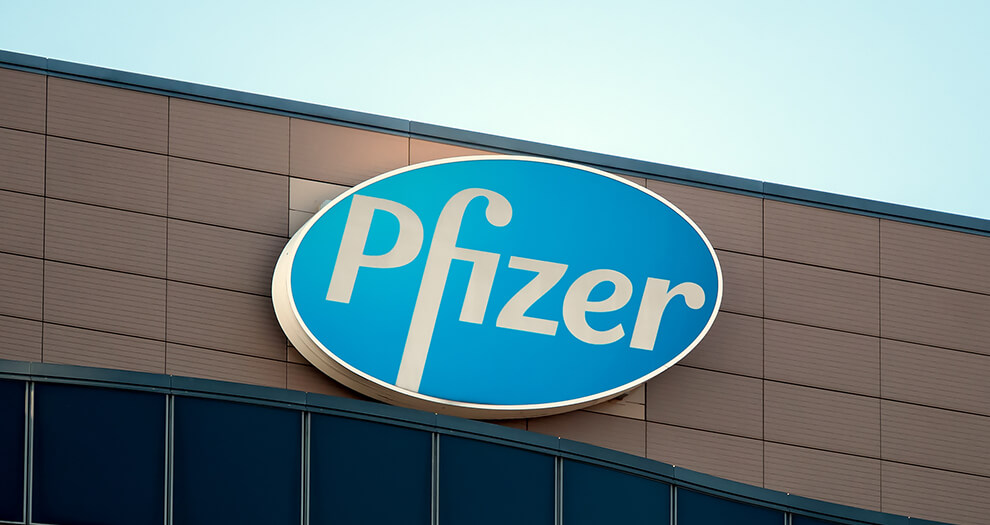
Multinational makes ‘difficult decision’ to halt presence in Chinese biosimilars market five years after $350 million investment
Pfizer has agreed to sell its single-use biologics manufacturing plant in Hangzhou, eastern China to Chinese contract development and manufacturing organisation, WuXi Biologics, five years after investing $350 million to build the facility.
The sale of the 50,000 sq m facility, which has been operational since 2018, effectively ends Pfizer’s involvement in the Chinese biosimilars market. Pfizer had originally planned to manufacture three biosimilars for the Chinese market.
The transaction is expected to close in the first half of 2021 and financial details have not been disclosed.
“After a comprehensive review of the biosimilars market and the company’s global manufacturing network, Pfizer has made a difficult decision to halt its biosimilars programs in China and to sell 100% of its equity interest in Pfizer Biologics (Hangzhou) Co. Ltd,” Pfizer said in a statement sent to CPHI Online.
“This transaction notwithstanding, Pfizer remains committed to continue to realize its purpose – breakthroughs that change patients’ lives in China,” the company added.
In a statement, Wuxi Biologics said the addition of Hangzhou and its entire labour force would boost its drug substance and drug product capacities to “address surging manufacturing demands” and that production would start shortly after the closure of the deal.
The Hangzhou plant includes drug substance capacities equipped with two 2000L single-use bioreactors expandable to 4x2000L and drug product capacities of vial filling and pre-filled syringe.
“Globally DS and especially DP capacities are in urgent need now,” said Dr. Chris Chen, CEO of WuXi Biologics. “The acquisition will allow us to better enable our global partners to develop and manufacture premier-quality biologics to benefit patients around the world.”

Related News
-

News Swiss pharma industry warns US tariffs could harm global patient care
The Swiss pharmaceutical sector has raised alarms over new US tariffs on medicines, warning of disrupted supply chains, increased costs, and delayed innovation, all of which could jeopardise patient access to essential treatments worldwide.
-
News Women in Pharma: CPHI India – India’s Pharmaceutical Industry and Gender Inclusion Challenges
India’s pharmaceutical industry has emerged as a significant player in the global market, valued at USD 50 billion in FY 2023-2024, according to Frost & Sullivan’s analysis. This sector encompasses a diverse portfolio, including drugs, vacc... -
News Biogen acquires Apellis Pharmaceuticals to boost immunology and rare disease profile
Biogen Inc. has announced its acquisition of Apellis Pharmaceuticals, Inc., a move that is set to significantly enhance its growth portfolio in immunology and rare diseases. The agreement, valued at approximately US$5.6 billion, will see Biogen purchas... -
News Gilead Sciences acquires Ouro Medicines for over US$2 billion
Gilead Sciences confirms a deal to take over Ouro Medicines, adding to a portfolio of therapies for autoimmune diseases.
-
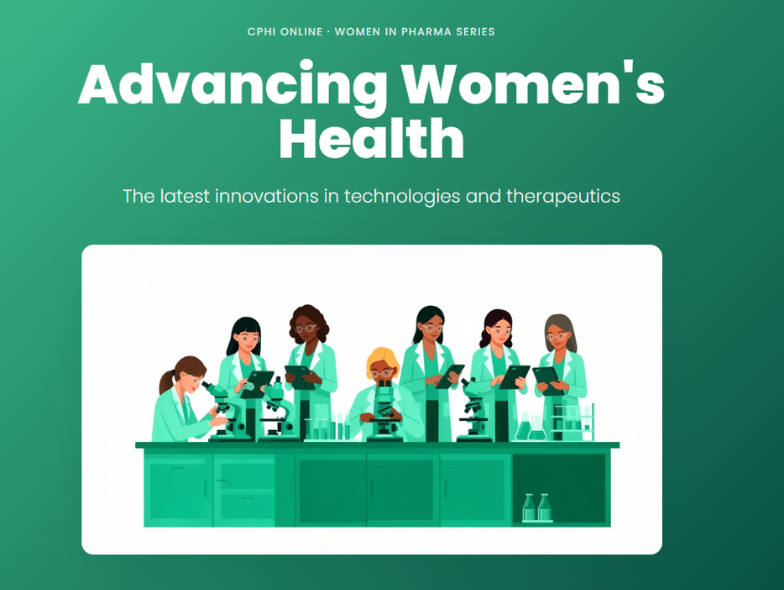
News Women in Pharma: Advancing Women's Health
Discover the latest innovations in technologies and therapeutics that are revolutionising women's health in our latest CPHI Online Women in Pharma infographic.
-

News CPHI Pharma Awards 2026: Recognising Excellence in an Evolving Industry
Submissions now open — deadline May 16
-
News Dr Reddy's to launch generic semaglutide in India
Dr Reddy’s Laboratories, one of India’s leading pharmaceutical companies, is preparing to launch a generic version of semaglutide, branded as Obeda, in March. Obeda is expected to provide a more affordable alternative to Ozempic a... -
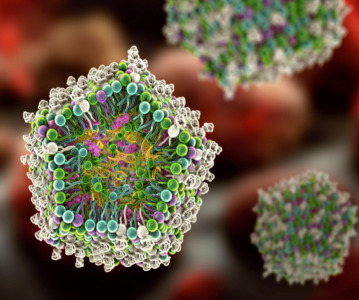
News Frontier Biotech and GSK Forge RNA Therapy Partnership
Frontier Biotechnologies and GSK have entered a global licensing agreement to advance small interfering RNA (siRNA) therapeutics. This collaboration grants GSK exclusive rights to develop and commercialise two promising siRNA candidates, marking a mile...