
Pipelines, Economics and IP: How Bioprocessing Tech Firms Assess Markets

Identifying areas of unmet need to guide R&D strategy and shape drug pipelines
Bioprocessing metrics
Epidemiology is a core skill for biopharmaceutical companies. Being able to identify an area of unmet medical need helps guide R&D strategy and, ultimately, is what shapes drug pipelines. It is also an important metric for bioprocessing technology suppliers. For such companies, disease monitoring is one of multiple factors used in sales forecasting and resource allocation.
Conor McKechnie, Chief Marketing Officer, GE Healthcare Life Sciences told us, “Modelling and predicting market demand for our current, planned and future products and services, is complex. “Given the subsequent business strategy and capital allocation decisions, GE Life Sciences uses a very broad and constantly evolving series of data sources.”
GE does not disclose specific details of how it monitors markets, however, McKechnie confirmed that epidemiology is taken into consideration along with a number of other factors.“These [GE’s market analysis metrics] include anything from macro socio-economic trends, disease epidemiology, national and transnational governmental investment strategies.”
He added that related metrics such as emerging areas of medical research as well as things venture capital activity, Government support for research and customer intelligence are also factored into decision making. “Combining this myriad of constantly changing data and insight with, most importantly, a very clear understanding of our customers’ needs helps us reach the best decisions for our customers and our business.”
Drug pipelines
Biopharmaceutical product pipelines are also an important consideration when assessing markets according to Karen Tiano, company spokesperson, at the Life Science business of Merck.
“We have a multi-step process. We look at the drug pipeline to understand what drugs are coming online, and we look at the commercial and development success — how they get to market, and once they get there, what the uptake is. At that point, we know roughly what the big molecules are.
She added that, “We have an internal model to figure out how much demand that actually means in terms of volume of drugs being manufactured. We then determine the specific demands for us for different types of products, whether it be consumables, instruments, systems or services in order to supply them.”
Looking at drug pipelines and products rather than clinical research is appropriate for the bioprocessing sector says Eric Langer, BioPlan Associates’ president and managing partner.
“Since single use systems (SUS) and bioprocessing devices are really not able to affect clinical outcomes – for example an RA biologic could be manufactured with the same equipment as a cancer therapeutic - these companies probably monitor the pipeline more than which clinical area is growing vs others.
He also told us that, “Monitoring pipeline could be an indication of future demand for alternative technologies. Similarly, biosimilars in the pipeline can be monitored, but these are more commercial decisions rather than directly bioprocessing-related.”
Intellectual property
Bioprocessing technology suppliers also take IP laws into consideration before deciding how they will approach a market according to Dr Ross Cummings, senior associate patent attorney at Gill, Jennings & Every LLP.
He told us, “The IP landscape is certainly something that any technology company looking to enter a market should be aware of. This can most obviously help avoid stepping on others’ toes by identifying others’ rights and assessing the risk of infringing such rights. “This can also be a useful exercise to assess the state of the art and identify potential competitors, partners and suppliers” Cummings said.
Keep pace with developments in Bioprocessing
Each year the CPHI brand unites more than 100,000 pharmaceutical professionals through exhibitions, conferences and online communities. If you're looking to meet the leading manufacturers and developers in the Bioprocessing space, learn the latest developments through quality conferences and access unparalleled networking opportunities we offer a portfolio of global exhibitions in all major pharma markets throughout the year - take a look at our event calendar for more information.
Related News
-

News Swiss pharma industry warns US tariffs could harm global patient care
The Swiss pharmaceutical sector has raised alarms over new US tariffs on medicines, warning of disrupted supply chains, increased costs, and delayed innovation, all of which could jeopardise patient access to essential treatments worldwide.
-

News Women in Pharma: CPHI India – India’s Pharmaceutical Industry and Gender Inclusion Challenges
India’s pharmaceutical industry has emerged as a significant player in the global market, valued at USD 50 billion in FY 2023-2024, according to Frost & Sullivan’s analysis. This sector encompasses a diverse portfolio, including drugs, vacc... -
News Biogen acquires Apellis Pharmaceuticals to boost immunology and rare disease profile
Biogen Inc. has announced its acquisition of Apellis Pharmaceuticals, Inc., a move that is set to significantly enhance its growth portfolio in immunology and rare diseases. The agreement, valued at approximately US$5.6 billion, will see Biogen purchas... -

News Gilead Sciences acquires Ouro Medicines for over US$2 billion
Gilead Sciences confirms a deal to take over Ouro Medicines, adding to a portfolio of therapies for autoimmune diseases.
-
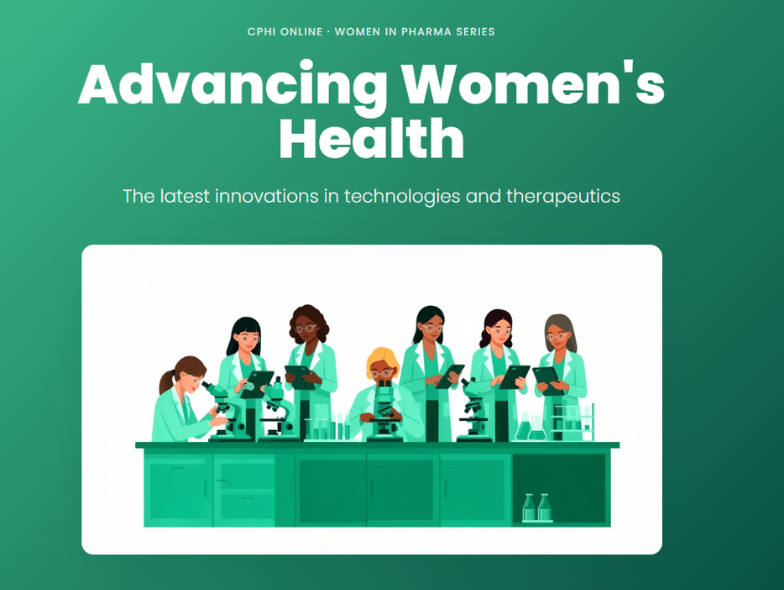
News Women in Pharma: Advancing Women's Health
Discover the latest innovations in technologies and therapeutics that are revolutionising women's health in our latest CPHI Online Women in Pharma infographic.
-

News CPHI Pharma Awards 2026: Recognising Excellence in an Evolving Industry
Submissions now open — deadline May 16
-
News Dr Reddy's to launch generic semaglutide in India
Dr Reddy’s Laboratories, one of India’s leading pharmaceutical companies, is preparing to launch a generic version of semaglutide, branded as Obeda, in March. Obeda is expected to provide a more affordable alternative to Ozempic a... -
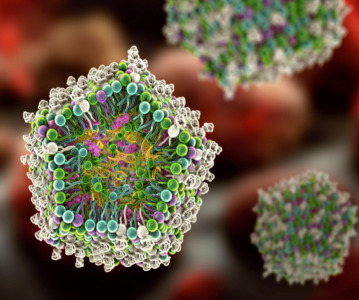
News Frontier Biotech and GSK Forge RNA Therapy Partnership
Frontier Biotechnologies and GSK have entered a global licensing agreement to advance small interfering RNA (siRNA) therapeutics. This collaboration grants GSK exclusive rights to develop and commercialise two promising siRNA candidates, marking a mile...