
Protecting Horseshoe Crabs and Ensuring Responsible Pharmaceutical Practices: A Path Forward
.png)
The latest feature from the PSCI updates on the protection of Horseshoe Crabs and ensuring responsible pharmaceutical practices. The pharmceutical industry relies on these crabs to ensure the safety of several medicines, putting the species at risk.
Horseshoe crabs serve an unexpected yet crucial function in medical applications for humans.
Clotting upon contact with bacterial endotoxins, the blood of these animals is vital in ensuring the safety of vaccines, medicines, and medical devices. However, the pharmaceutical industry's dependence on these crabs creates environmental and ethical concerns about population sustainability and industrial responsibility.
The Pharmaceutical Supply Chain Initiative (PSCI) brings companies together to raise awareness on this topic and reduce the industry’s dependence on horseshoe crabs.
Our latest publication is a comprehensive industry report, offering an in-depth analysis of market trends, company positions, and future plans regarding endotoxin testing. Key findings include:
- Phasing Out TAL: 90% of members have already stopped using Tachypleus Amebocyte lysate (TAL), fueling demand for LAL and synthetic alternatives. However, supply resilience remains an area needing attention.
- Strategic Roadmaps: An increasing number of companies are establishing targets for reducing or eliminating TAL and LAL, paving the way for industry-wide change.
- Regulatory Innovation Needed: Overcoming regulatory barriers is crucial, and developing more innovative pathways can accelerate the adoption of sustainable testing methods.
Background: Environmental and Ethical Challenges
Three species of horseshoe crabs are used in endotoxin testing: the Atlantic horseshoe crab (Limulus polyphemus) in North America, and two Indo-Pacific species (Tachypleus gigas and Tachypleus tridentatus) in Asia. Recent innovations have brought alternative testing methods and synthetic alternative, reducing the sector’s reliance on horseshoe crab blood.
The use of horseshoe crab blood in endotoxin testing comes with environmental and ethical issues:
- Endangered Asian Horseshoe Crabs: The tri-spine horseshoe crab, from which TAL is derived, is classified as an endangered species by the IUCN. Many regions in China, India, Vietnam, and others have laws protecting these crabs, but enforcement is inconsistent. Overharvesting and collection for biomedical purposes threaten their survival.
- Impact of Amebocyte Collection: Data on mortality rates during blood collection are contested. Some studies suggest approximately 1 in 7 crabs in North America die from collection, while in Asia the mortality rate may be effectively 100%, with crabs used for bait or food afterward. For those crabs which survive, factors such as how much blood is drawn and the handling methods, influence their future health and reproductive capacity.
- Ecological Interdependencies: Horseshoe crab eggs are a vital food source for migratory birds like the threatened red knots and for many marine species. Decline in horseshoe crab populations could have broader ecological consequences.
Industry Transition and Challenges
The endotoxin testing market is substantial, with approximately 90 –100 million tests sold annually. The largest segments include water testing for manufacturing, pharmaceuticals, medical devices, and biomedicines. North America accounts for roughly 40% of demand, ahead of Europe at 30%, and Asia estimated at 20 –25%.
While lower-intensity and synthetic methods for endotoxin testing are available and already in use, several barriers hinder method changes:
- Regulatory hurdles and lengthy approval processes
- Perceived higher costs of synthetic alternatives
- Lack of harmonised international standards
- Limited awareness of, or experience with, new testing methods
Many companies have made public commitments to phase out the use of TAL. This creates more demand for LAL; the availability of minimisation techniques, such as cartridge technology, and synthetic alternatives both help to ensure resilience in the supply chain.
Final Thoughts
The reliance on horseshoe crabs for endotoxin testing highlights a complex intersection of medical necessity, environmental conservation, and ethical responsibility. Moving forward, a responsible approach must take into account ecological, ethical and supply chain resilience factors, and ultimately ensure both human health and biodiversity are preserved for generations to come.
Read the full report [here] to learn how PSCI and industry leaders are working toward sustainable solutions.

Related News
-
News Swiss pharma industry warns US tariffs could harm global patient care
The Swiss pharmaceutical sector has raised alarms over new US tariffs on medicines, warning of disrupted supply chains, increased costs, and delayed innovation, all of which could jeopardise patient access to essential treatments worldwide.
-

News Women in Pharma: CPHI India – India’s Pharmaceutical Industry and Gender Inclusion Challenges
India’s pharmaceutical industry has emerged as a significant player in the global market, valued at USD 50 billion in FY 2023-2024, according to Frost & Sullivan’s analysis. This sector encompasses a diverse portfolio, including drugs, vacc... -
News Biogen acquires Apellis Pharmaceuticals to boost immunology and rare disease profile
Biogen Inc. has announced its acquisition of Apellis Pharmaceuticals, Inc., a move that is set to significantly enhance its growth portfolio in immunology and rare diseases. The agreement, valued at approximately US$5.6 billion, will see Biogen purchas... -
News Gilead Sciences acquires Ouro Medicines for over US$2 billion
Gilead Sciences confirms a deal to take over Ouro Medicines, adding to a portfolio of therapies for autoimmune diseases.
-
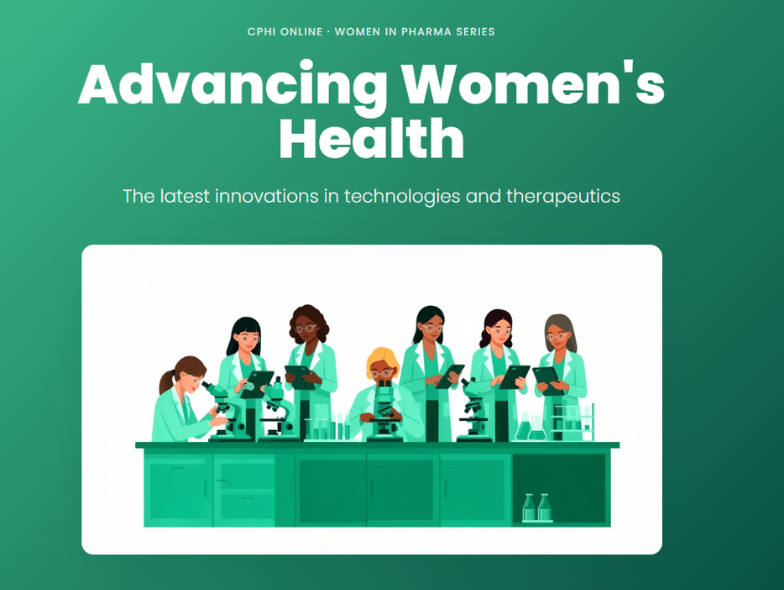
News Women in Pharma: Advancing Women's Health
Discover the latest innovations in technologies and therapeutics that are revolutionising women's health in our latest CPHI Online Women in Pharma infographic.
-
News CPHI Pharma Awards 2026: Recognising Excellence in an Evolving Industry
Submissions now open — deadline May 16
-
News Dr Reddy's to launch generic semaglutide in India
Dr Reddy’s Laboratories, one of India’s leading pharmaceutical companies, is preparing to launch a generic version of semaglutide, branded as Obeda, in March. Obeda is expected to provide a more affordable alternative to Ozempic a... -
News Frontier Biotech and GSK Forge RNA Therapy Partnership
Frontier Biotechnologies and GSK have entered a global licensing agreement to advance small interfering RNA (siRNA) therapeutics. This collaboration grants GSK exclusive rights to develop and commercialise two promising siRNA candidates, marking a mile...