
Racial disparities in diagnosis and drug use for dementia symptoms
.png)
A study from the USC Schaeffer Center for Health Policy & Economics has revealed the existence of racial disparities in the US for the diagnosis of dementia and the use of drug treatments for symptoms.
Published in the Journal of Alzheimer’s Disease, the study found that, when compared to Black and Asian patients, white and Hispanic individuals with Alzheimer’s disease and/or related dementia disorders were more likely to be prescribed central nervous system (CNS) active drugs.
These include antidepressants, antipsychotics, and anticonvulsants, even though such drugs have been associated with cardiovascular events, hospitalisation, and on occasion, death. The majority of those exhibiting behavioural and psychological symptoms of dementia used a CNS drug, largely antidepressants. Even so, 67.6% of Hispanic individuals and 66% of white individuals were prescribed CNS drugs compared with 58.6% of Black patients and 54.5% of Asian patients. The study examined data from Medicare claims for those diagnosed with dementia from 2017 to 2019. This timeframe was taken before the onset of the COVID-19 pandemic, when the pandemic disrupted the US healthcare system.
Study lead author Johanna A Thunell, research scientist at USC Schaeffer Center, commented “The open question remains: are there actually higher rates of, say, depression among white people with dementia? Or are there cultural or other barriers that are keeping Black and Asian people with dementia from getting a diagnosis and potential treatment?”
Substantial differences in the type of drugs prescribed for different ethnic groups were revealed. Geoffry Joyce, director of Health Policy at the USC Schaeffer Center, stated “We also found substantial differences in who was taking individual drugs classes. For example, while white people were most likely to take antidepressants, American Indian and Alaska Natives had the highest rates of opioid prescriptions.” Opioids are highly addictive and have been at the centre of a continuing health crisis in the US.
Non-white people were also suggested to be underdiagnosed for treatable symptoms of dementia. A previous study by the USC Schaeffer Center found that Black and Hispanic patients more likely to have a late diagnosis or none at all. Such racial and ethnic differences in dementia diagnosis and care can have devastating impacts on the prognosis for these patients.
“We’re finding high levels of diagnoses of behavioural symptoms and use of drugs among these groups who are potentially vulnerable to these types of negative side effects,” commented Thunell. “There are certainly benefits to getting a diagnosis so that you can get some form of treatment – even if it’s non-pharmacological – and we aren’t seeing as high of rates of diagnoses in non-white people. This could present challenges for persons with dementia and their caregivers.”
Source:
USC study reveals racial disparities in diagnosis and drug use for dementia symptoms [Accessed May 14, 2024] https://www.eurekalert.org/news-releases/1044520
Related News
-

News Swiss pharma industry warns US tariffs could harm global patient care
The Swiss pharmaceutical sector has raised alarms over new US tariffs on medicines, warning of disrupted supply chains, increased costs, and delayed innovation, all of which could jeopardise patient access to essential treatments worldwide.
-

News Women in Pharma: CPHI India – India’s Pharmaceutical Industry and Gender Inclusion Challenges
India’s pharmaceutical industry has emerged as a significant player in the global market, valued at USD 50 billion in FY 2023-2024, according to Frost & Sullivan’s analysis. This sector encompasses a diverse portfolio, including drugs, vacc... -

News Biogen acquires Apellis Pharmaceuticals to boost immunology and rare disease profile
Biogen Inc. has announced its acquisition of Apellis Pharmaceuticals, Inc., a move that is set to significantly enhance its growth portfolio in immunology and rare diseases. The agreement, valued at approximately US$5.6 billion, will see Biogen purchas... -
News Gilead Sciences acquires Ouro Medicines for over US$2 billion
Gilead Sciences confirms a deal to take over Ouro Medicines, adding to a portfolio of therapies for autoimmune diseases.
-
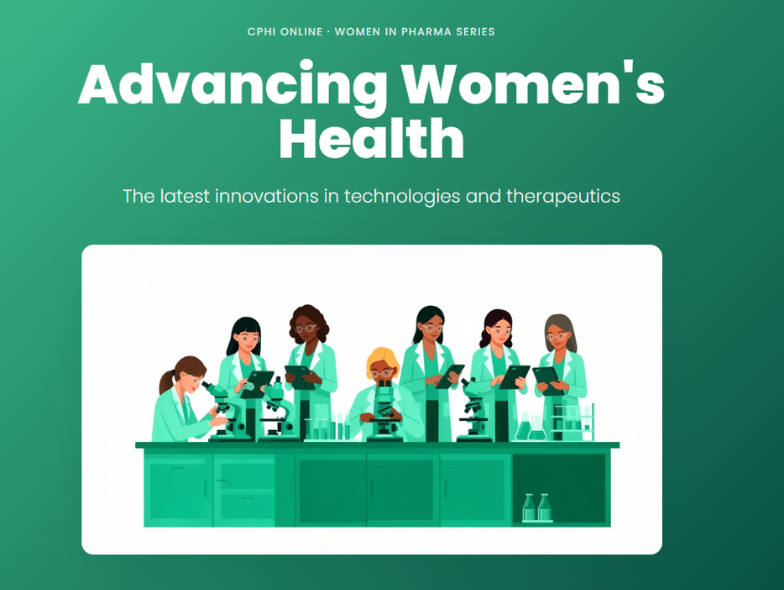
News Women in Pharma: Advancing Women's Health
Discover the latest innovations in technologies and therapeutics that are revolutionising women's health in our latest CPHI Online Women in Pharma infographic.
-

News CPHI Pharma Awards 2026: Recognising Excellence in an Evolving Industry
Submissions now open — deadline May 16
-

News Dr Reddy's to launch generic semaglutide in India
Dr Reddy’s Laboratories, one of India’s leading pharmaceutical companies, is preparing to launch a generic version of semaglutide, branded as Obeda, in March. Obeda is expected to provide a more affordable alternative to Ozempic a... -
News Frontier Biotech and GSK Forge RNA Therapy Partnership
Frontier Biotechnologies and GSK have entered a global licensing agreement to advance small interfering RNA (siRNA) therapeutics. This collaboration grants GSK exclusive rights to develop and commercialise two promising siRNA candidates, marking a mile...