
Sartorius introduces BIOSTAT RM TX single-use bioreactor
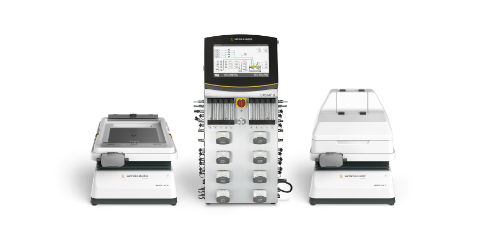
Flexsafe RM TX bags enable reliable process performance for optimal cell growth.
Sartorius Stedim Biotech (SSB) has launched the BIOSTAT RM TX single-use bioreactor, a new wave mixed system developed specifically for closed, automated expansion of consistent quality cell products such as ex vivo cellular immunotherapies. This new GMP platform, which combines SSB’s established single-use Flexsafe bag technology with the company’s expertise in biopharmaceutical automation, will be introduced at Phacilitate Leaders World 2019 in Miami, USA (22-25 January/Booth 410).
SSB’s new bioreactor is designed for scale-out expansion of cells including patient-specific T cells and is a closed system, consisting of an automated control unit and up to two rocking platforms to gently agitate single-use Flexsafe RM TX bags (up to 5L working volume). The bag is the core of the system and built on SSB’s Flexsafe film, which is already well established from clinical development to GMP manufacturing of vaccines and biologics by major global biopharma companies. The film formulation is developed to minimize leachables and extractables, guaranteeing consistent batch-to-batch culture performance of even sensitive cell types, such as genetically modified T cells.
The proprietary Flexsafe RM TX bag is designed with a special port for hands-free gravity harvesting. In combination with the innovative Flexsafe RM TX Harvest Device it reduces the contamination risks from manual handling, maintaining cell integrity and cell viability. Unlike other cell therapy expansion systems which use pumps for cell recovery, this unique gravity harvest concept reduces the risk of shear stress on these delicate cells, to maximize cell number recovery.
A benefit of using the BIOSTAT RM TX bioreactor in combination with the Flexsafe RM TX bag for cell culture is the possibility for walk-away monitoring and culture control. The bags include single-use sensors for pH, DO and viable biomass. These sensors are integrated in the BIOSTAT B control unit, and the system’s sophisticated software is set-up for fully automated process control of gases, flow rate, filling volume and substrate addition. With culture volumes greater than 500 mL, on-line analysis of viable biomass is also possible by connecting the single-use BioPAT ViaMass sensor. These sensors make the system suitable for running continuously in fed-batch or perfusion modes, saving labor, time and effort with manual sampling and also minimizing contamination risks to precious patient cells.
Utilizing this bioreactor system, manufacturers can attach a second rocking platform and Flexsafe RM TX bag to each BIOSTAT B control unit to scale-out their production. The system also provides a standard interface to common Supervisory Control and Data Acquisition as well as Distributed Control Systems such as BioPAT MFCS and DeltaV.
“Combining single-use technology with advanced automation for the expansion of cell products ensures control of process variability and enables safe, robust and affordable cell production,” explained Dr Franziska Faulstich, Global Product Manager Regenerative Medicine and RM Bioreactors at SSB. “Working extensively with leaders in the cellular immunotherapy field, we have identified the right technologies and best practice workflows, which we have incorporated into our new BIOSTAT RM TX bioreactor,” she added.
Cell product developers visiting Booth 410 at Phacilitate World Leaders 2019 will discover how using this cleverly designed system can help improve their process performance, and as a result the integrity and consistency of their promising cell therapies in development.
BIOSTAT RM TX and Flexsafe RM TX bags are for research and further manufacturing use only – not for use in therapeutic or diagnostic procedures. They are not CE marked for in vitro diagnostic use nor are they medical devices. Drug manufacturers and clinicians are responsible for obtaining the appropriate IND/BLA/NDA approvals for clinical applications.

Related News
-
News Novartis signs US$3.2 bn subcutaneous delivery deal with Alteogen
Swiss pharma giant secures access to Korean biotech's ALT-B4 hyaluronidase platform in milestone-heavy agreement, marking Alteogen's fourth major licensing deal of 2026 as competition intensifies in the subcutaneous drug delivery space.
-

News Women in Pharma: The philosophy of pharmaceutical leadership
In this latest instalment of our Women in Pharma series, we sit down with Clarissa Sowemimo-Coker, Chief Strategy Officer at Ambrose Healthcare and CPHI Middle East Advisory Board Member.
-

News The PSCI Supplier Partnership - Collaboration for Responsible Supply Chains
About the Pharmaceutical Supply Chain Initiative The Pharmaceutical Supply Chain Initiative (PSCI) is the leading, member-led association for pharmaceutical companies working collaboratively to build responsible supply chains. Founded in 2006 and es... -

News AstraZeneca shares plunge 8.9% after reports of BMS talks
Britain's largest drugmaker lost more than GBP£17 billion in market value following reports of preliminary merger discussions with Bristol Myers Squibb that could create a pharmaceutical giant worth nearly US$400 billion, though investors rem... -

News GSK announces £400 million investment in new Cambridge R&D centre
Pharmaceutical giant to establish flagship research facility on Cambridge Biomedical Campus as part of strategic pipeline acceleration
-

News The CPHI Sustainability Summit - Where Conversation Becomes Collaboration
The Report Was Never the Destination - “The future of pharmaceutical sustainability won’t be shaped by individual organisations working in isolation. It will be shaped by partnerships, shared expertise and the willingness to work diffe... -

News Trump's generic drug tariffs set to reshape global pharmaceutical supply chains
The US president has announced plans to impose tariffs of up to 200% on imported generic medicines from August 2028, giving manufacturers a two-year window to establish domestic production facilities. The move threatens to upend a global supply chain t... -
News Building Safer, More Responsible Pharmaceutical Supply Chains: PSCI Global Audit Insights
The Pharmaceutical Supply Chain Initiative (PSCI) has released its seventh annual Audit Findings Analysis Report, offering unprecedented insights into supplier practices across the global pharmaceutical and healthcare industry.With a record-breaking 24...