
South Korea's Seegene develops PCR test to detect monkeypox virus
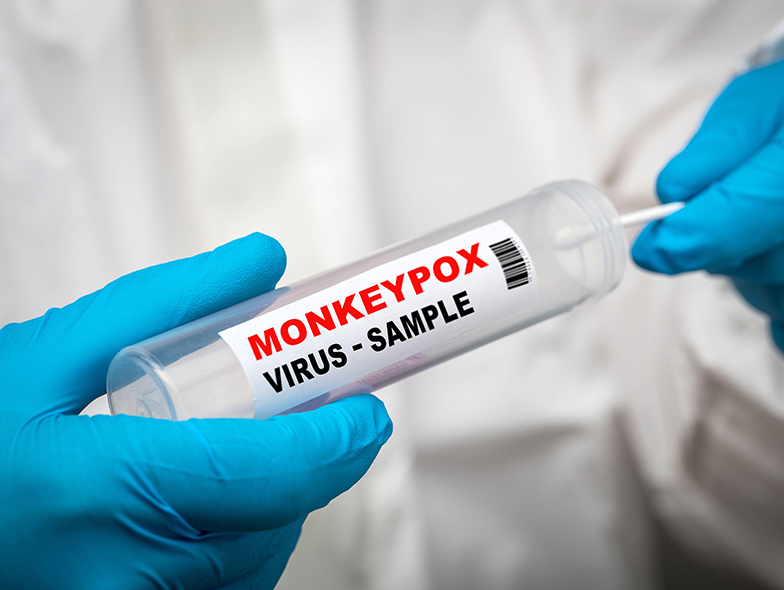
Several countries are stepping up vaccination and testing as monkeypox cases continue to climb
South Korean molecular diagnostics company Seegene has developed a PCR test to detect the monkeypox virus, as cases continue to emerge in countries where the disease is rarely seen.
The company used its AI-based automated test development system, known as SGDDS (Seegene Digitalized Development System), to create the Novaplex™ MPXV Assay. It specifically targets the monkeypox virus and can identify a positive case in 90 minutes.
Seegene plans to provide the assays to countries that have detected the virus.
More than 40 countries where monkeypox is not endemic have reported outbreaks of the viral disease as confirmed cases exceeded 4,300 this week. According to recent WHO data, the majority of monkeypox cases (86%) were detected in Europe, while the Americas recorded 11% and Africa recorded just 2%.
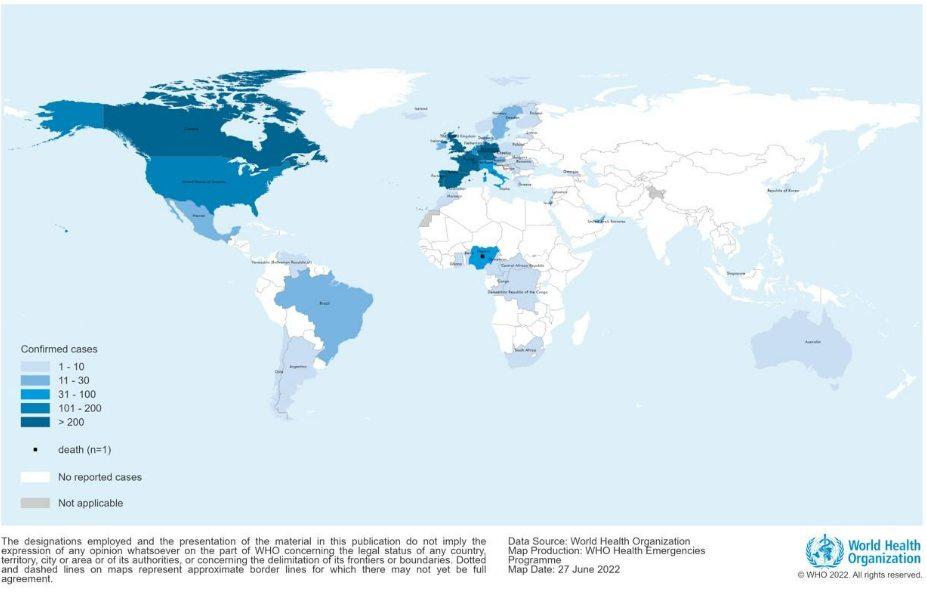
Geographical spread of monkeypox cases. Source: WHO.
Monkeypox is a typically mild viral infection that is endemic in parts of west and central Africa. It spreads through close contact and can be identified by flu-like symptoms, distinctive rashes and lesions on the skin. It has been spreading largely between men who have sex with men outside the countries where it is endemic, though it is not defined as a sexually transmitted infection.
The strain currently circulating in the Northern Hemisphere has an estimated fatality rate of between 3% and 6% and is considered especially dangerous for children and those with weak immune systems.
This week the White House outlined plans to distribute thousands of monkeypox vaccines and to increase nationwide testing. In their latest directive, the federal government called on anyone with possible monkeypox exposure to get vaccinated. Previously, the vaccines were only offered to people who have had a known exposure.
Earlier this month the European Commission placed an order with Danish biotech Bavarian Nordic for 110,000 doses of their Imvanex vaccine, which is currently only authorised for use against smallpox in the EU. The European Medicines Agency (EMA) has since initiated a review of Imvanex data with the intention of extending its use to include protection against monkeypox. European Commissioner for Health and Food Safety Stella Kyriakides announced that the first batch of vaccine deliveries were being shipped to member states with the highest case numbers.
Speaking on June 28, she announced: ‘As of today, the first deliveries of vaccines in response to the monkeypox outbreak are arriving to the most affected countries. This is a European Health Union that responds in real time to new health threats and protects its citizens. This is the first time that we are, through our Health Preparedness and Response Authority (HERA), directly buying and donating vaccines to Member States. With HERA up and running, the EU has significantly reinforced its capacity to respond and address new health threats decisively.’
Related News
-
News Understanding the Benefits and Advances of Cleanroom Technology
In an industry where precision and sterility are crucial concerns, cleanrooms play a vital role in maintaining the integrity of pharmaceutical products like drugs, vaccines, and other medical products. So, what is a cleanroom?
-

News AbbVie secures GBP£1.2 billion deal for Gilgamesh’s psychedelic programme
AbbVie has penned a significant agreement to acquire the bretisilocin programme from Gilgamesh Pharmaceuticals for up to £1.2 billion, marking a bold step in the pharmaceutical giant's quest to develop treatments for psychiatric disorders. -

News Gates Foundation commits US$2.5 billion to women’s health research
The Bill & Melinda Gates Foundation has announced a substantial US$2.5 billion commitment to accelerate research and development focused exclusively on women's health through 2030.
-

News Mid-year review: notable FDA drug approvals of 2025
As we fly past the halfway point of 2025, the pharmaceutical landscape reliably continues to evolve with innovative therapies addressing critical medical needs. The FDA has already approved 17 groundbreaking medications this year, each representin... -

News US FDA announces new priority vouchers for accelerated review times
The US FDA announced a new priority program for drug developers – the Commissioner’s National Priority Voucher (CNPV) program aims to enhance the health interests of the US by allowing drug developers to redeem a voucher, shortening th... -

News Google-backed start-up raises US$600 million to support AI drug discovery and design
London-based Isomorphic Labs, an AI-driven drug design and development start-up backed by Google’s AI research lab DeepMind, has raised US$600 million in its first external funding round by Thrive Capital. The funding will provide further power t... -
News AstraZeneca to invest US$2.5 billion in Beijing R&D centre
Amid investigations of former AstraZeneca China head Leon Wang in 2024, AstraZeneca have outlined plans to establish its sixth global strategic R&D centre in China. Their aim is to further advance life sciences in China with major research and manufact... -
News Experimental drug for managing aortic valve stenosis shows promise
The new small molecule drug ataciguat is garnering attention for its potential to manage aortic valve stenosis, which may prevent the need for surgery and significantly improve patient experience.