
Sterile manufacturing Annex 1 amendments: what, why and how explained
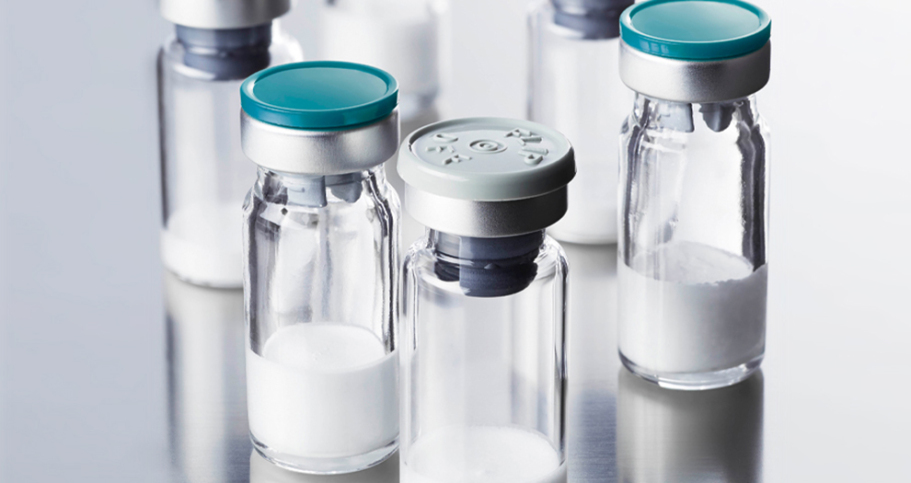
In January 2020 the European Commission published some proposed significant revisions to Annex 1, the EU’s good manufacturing practice (GMP) guide for the manufacture of sterile products. In the following three-month consultation period, affected organisations and stakeholders from over 70 different countries submitted more than 2,000 comments to the proposed update.
In this article Dr. Thomas Becker, Director Quality at Recipharm in Wasserburg, discusses the key changes to the guide and the impact it will have on companies responsible for the manufacture of sterile products as the industry continues to work to meet the industry’s changing requirements and overcome reoccurring challenges in the supply chain.
The changes saw the scope of Annex 1 enlarged to include guidance to non-sterile product manufacturers, where contamination control is relevant, and its format was reorganised into 10 distinct sections. Beyond this, the main changes include:
- Introduction of a contamination control strategy (CCS) concept, quality risk management (QRM) principles and a pharmaceutical quality system (PQS).
- Additional QRM principles included to support non-sterile product category.
- Introduction of restricted access barrier systems (RABS) and isolators, as well as some additional new technologies as part of the CCS requirements.
- The creation of new sections for form fill and seal, closed systems, and single use systems (SUS).
- Reinforced recommendations for area classification and qualification, including microbial airborne and surface contamination.
- The introduction of detailed measures and specifications to prevent any contamination (for example, unidirectional material flow, continuous monitoring systems for total organic carbon and conductivity on water for injection loops, validated disinfection and decontamination programme including a focus on vacuum, cooling systems, and dry heat tunnels).
- The introduction of specific personnel requirements, including training and gowning, combined with reinforced monitoring requirements.
- Stipulations about production and the use of specific technologies including, pre-use post sterilisation integrity tests (PUPSIT), specific process holding times, container closure integrity, and visual inspection.
- Mandatory reinforced sterility test sampling after each critical intervention.
- Additional aseptic process simulation runs before shut down periods are to be taken into consideration.
- Trending dating for environmental monitoring and visual inspection results are to be taken into consideration for batch release.
Overall, these new additions to the guidelines could potentially pose significant challenges to pharma companies both technically and organisationally; Key examples would be updating equipment or premises design to minimise contamination risk, integrating new equipment, such as barrier technologies, into a CCS containing older systems using QRM principles, ensuring an approach that guarantees regular reviews of each risk assessment and the review of data and trends generated by critical CCS equipment.
That being said, successfully implementing these new rules could bring about improved safety and anti-contamination measures. In addition, the growing involvement of other regulatory organisations and stakeholders such as the International Pharmaceutical Inspection Convention and Pharmaceutical Inspection Co-operation Scheme (PIC/S), the World Health Organisation (WHO) and the US Food and Drug Administration (FDA) could mean harmonised compliance requirements across the global market.
At Recipharm we have worked to successfully implement the required measures to ensure continued compliance during the manufacture and handling of sterile and non-sterile products requiring contamination control. By taking a proactive approach to meeting the changing demands of Annex 1 we will be able to continue to provide seamless sterile project solutions for out customers.
For more information on how the updates to Annex 1 will affect your operations, guidance on how to meet the new requirements or more information about our sterile manufacturing offering please contact Recipharm’s expert team here.
Related News
-

News Understanding the Benefits and Advances of Cleanroom Technology
In an industry where precision and sterility are crucial concerns, cleanrooms play a vital role in maintaining the integrity of pharmaceutical products like drugs, vaccines, and other medical products. So, what is a cleanroom?
-

News Women in Pharma: The Final Chapter of 2025
Our monthly Women in Pharma series highlights the influential lives and work of impactful women working across the pharmaceutical industry, and how the industry can work towards making the healthcare industry and workplace more equitable and ... -

News Introducing the Pharmaceutical Sustainability Ecosystem from CPHI
The Sustainability Collective from CPHI unveils the groundbreaking Pharmaceutical Sustainability Ecosystem to drive pharmaceutical knowledge sharing, connection, and collaboration in order to change the face of sustainability in pharmceutical... -
News Navigating Cross-Border Pharmaceutical Logistics: Strategies for a More Resilient Supply Chain
This is a feature article written by Nick Fryer, Vice President of Marketing, Sheer Logistics
-

News A Day in the Life of a Director of Business Development
In this Day in the Life of interview, Thomas Hauser, Director of Business Development at Tjoapack. Thomas has spent nearly 30 years in the pharmaceutical industry and describes how he still finds curiosity and excitement in the bigger picture of global... -

News PhRMA trade association issues comments on Section 232 investigation
The Pharmaceutical Research and Manufacturers of America (PhRMA), an American trade association representing groups in the pharmaceutical industry, issued a letter on May 6, 2026 to the Department of Commerce regarding the Section 232 National Security... -

News Pharmaceutical Packaging Market Prospects: Shifting regional policies
The pharmaceutical packaging industry is experiencing significant transformation in 2025, driven by regulatory changes, supply chain challenges, and sustainability initiatives. The US BIOSECURE Act, passed through the House of Representatives in Septem... -

News Say hello to the CPHI Exhibitor Spotlight!
We’re kicking off a brand-new series where we shine the spotlight on some of the amazing companies gearing up to shake things up at CPHI Americas 2025 this May! The first company in our spotlight is TAPI, who are set to make a splash at its ve...