
Tracking Innovation with Thermo Fisher Scientific: CPHI Frankfurt Track Sponsor interview

CPHI Frankfurt, to be held at Messe Frankfurt from October 28-30, 2025, will once again bring the pharmaceutical industry together for 3 days of collaboration and innovation. Our Track Sponsor interview series sits down with some of our conference track sponsors to discuss key themes and trends impacting the industry.
Thermo Fisher Scientific sponsors this year’s Manufacturing 5.0 Track. As a leading end-to-end service provider for the pharmaceutical industry, Thermo Fisher Scientific’s Jennifer Cannon, President, Commercial Operations, Pharma Services, took time out of her busy schedule to discuss what the coming years will bring for the pharmaceutical manufacturing and outsourcing sectors.
1. How has the balance between in-house manufacturing and outsourcing shifted in the last decade? Where is it headed in the next decade?
Over the last decade, we’ve seen a steady rebalancing of internal and external manufacturing capabilities – not just to reduce cost, but also to access specialised expertise, capacity, and geographic flexibility. Outsourcing has evolved from a transactional solution to a strategic extension of internal infrastructure. Looking ahead, we expect this trend to deepen. As complexity grows, whether due to modality, regulatory guidance and policy, or global access requirements, companies will increasingly seek outsourcing models that offer both scalability and control. CDMOs that can align seamlessly across development, manufacturing, and clinical execution will be central to that shift.
2. How are pharmaceutical companies evolving their approach to risk management in outsourced manufacturing relationships?
There’s a clear move away from managing outsourcing risk purely through oversight. Today, more companies are mitigating risks by rethinking the structure of their partnerships altogether. That means consolidating with select CDMO partners who can anticipate and prevent disruption rather than simply respond to it. Geographic redundancy, supply continuity planning, and integrated development oversight are no longer value-adds – these are the baseline expectations. The strongest partnerships are being built on shared visibility, aligned incentives and penalties, and infrastructure that’s ready to flex with the programme.
3. How do you see the role of the CDMO evolving beyond traditional manufacturing services?
The most forward-looking CDMOs are shifting from a service provider mindset to a strategic enabler role. That includes earlier engagement in clinical development decisions and readouts, stronger integration with clinical and regulatory execution, and proactive alignment with commercialization strategies. Especially in today’s environment, where timelines are compressed and every decision has downstream consequences, the CDMO’s role is becoming more consultative and involved in outcome-based performance. It’s not just about capacity. It’s about contributing insight, foresight, and continuity across the development lifecycle.
4. What are the different effects of nearshoring pharmaceutical production over maintaining globally distributed manufacturing networks? Will this change?
Nearshoring and global distribution aren’t mutually exclusive. They’re both integral to building a smarter, more resilient supply chain and commercialisation strategy. What’s changing is the emphasis. We’re seeing increased demand for regional execution that’s embedded in a globally orchestrated framework. That means being able to respond to local market needs, manage risk and economic impact related to trade policy and logistics, while also ensuring business continuity without sacrificing global consistency or scale. The most effective partners will be those who can localise execution while maintaining centralised oversight.
5. Thermo Fisher Scientific are once again sponsoring the Manufacturing 5.0 Track at this year’s CPHI Frankfurt. What does it mean for Thermo Fisher to be sponsoring this specific track and theatre?
This track speaks directly to the core of what we do and where we believe the industry is headed. Sponsoring it reflects our commitment not just to delivering services, but to shaping the vision, mindset, and conversation around how drug development can become more efficient, more resilient, and more aligned with real-world challenges. We’re focused on helping customers reimagine what’s possible, from first-in-human through global commercialisation. This platform allows us to share that perspective through a lens of collaboration.
6. What are you most looking forward to at CPHI Frankfurt?
CPHI is always a much anticipated and invaluable venue to learn more about how the industry is evolving. We’re especially looking forward to the conversations about capabilities and technology of course, but also discussions about strategy, infrastructure, and how we navigate uncertainty together with our partners. There’s a growing appetite for models that reduce inefficiencies, preserve optionality, and provide confidence in a volatile environment. That’s where we believe we bring real value, and where we’re excited to listen, learn, and lead.
Discover the full CPHI Frankfurt agenda here and plan your trip today!
Related News
-

News Swiss pharma industry warns US tariffs could harm global patient care
The Swiss pharmaceutical sector has raised alarms over new US tariffs on medicines, warning of disrupted supply chains, increased costs, and delayed innovation, all of which could jeopardise patient access to essential treatments worldwide.
-

News Women in Pharma: CPHI India – India’s Pharmaceutical Industry and Gender Inclusion Challenges
India’s pharmaceutical industry has emerged as a significant player in the global market, valued at USD 50 billion in FY 2023-2024, according to Frost & Sullivan’s analysis. This sector encompasses a diverse portfolio, including drugs, vacc... -
News Biogen acquires Apellis Pharmaceuticals to boost immunology and rare disease profile
Biogen Inc. has announced its acquisition of Apellis Pharmaceuticals, Inc., a move that is set to significantly enhance its growth portfolio in immunology and rare diseases. The agreement, valued at approximately US$5.6 billion, will see Biogen purchas... -

News Gilead Sciences acquires Ouro Medicines for over US$2 billion
Gilead Sciences confirms a deal to take over Ouro Medicines, adding to a portfolio of therapies for autoimmune diseases.
-
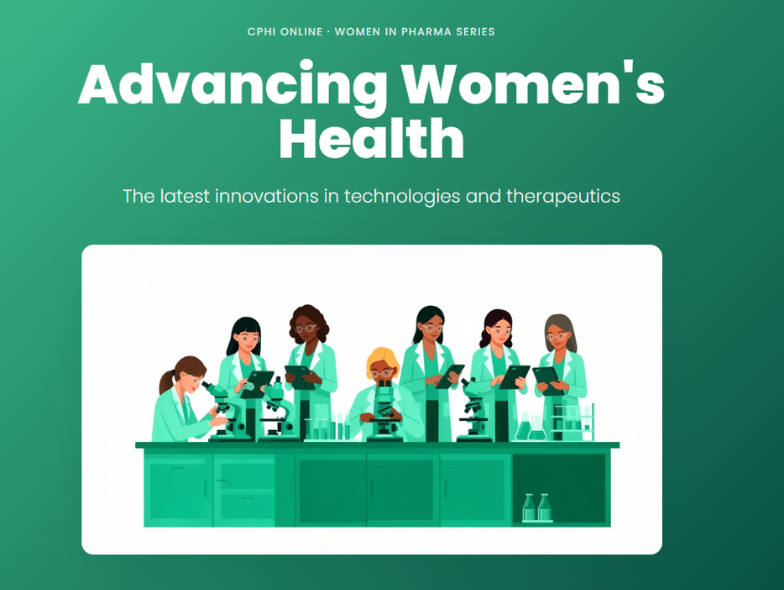
News Women in Pharma: Advancing Women's Health
Discover the latest innovations in technologies and therapeutics that are revolutionising women's health in our latest CPHI Online Women in Pharma infographic.
-

News CPHI Pharma Awards 2026: Recognising Excellence in an Evolving Industry
Submissions now open — deadline May 16
-

News Dr Reddy's to launch generic semaglutide in India
Dr Reddy’s Laboratories, one of India’s leading pharmaceutical companies, is preparing to launch a generic version of semaglutide, branded as Obeda, in March. Obeda is expected to provide a more affordable alternative to Ozempic a... -
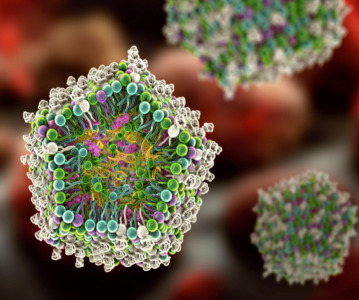
News Frontier Biotech and GSK Forge RNA Therapy Partnership
Frontier Biotechnologies and GSK have entered a global licensing agreement to advance small interfering RNA (siRNA) therapeutics. This collaboration grants GSK exclusive rights to develop and commercialise two promising siRNA candidates, marking a mile...