
Western pharma groups warn of supply disruptions over China anti-spy law
.png)
China’s anti-espionage laws have caused concern among western pharmaceutical groups over potential arrests or denial of access for foreign inspectors in China-based facilities and manufacturing partners, posing a risk to the supply of drug products such as generics and antibiotics.
Western pharmaceutical groups with manufacturing sites in China are voicing concerns around the enforcement of anti-espionage laws by the Chinese government, with fears of arrest for foreign factory inspectors and others denied entry to sites.
Many multinational companies across various sectors have increasingly brought attention to the issue of data sovereignty, with nations vying for control and ownership of data. China, as with the US and EU, also possesses strict data regulation and localisation laws – namely, the requirement of storing and processing of data within the country’s borders. Coupled with a call to decouple data from China’s information infrastructure, many pharma foreign pharma companies are either refusing to enter the nation over fears of espionage accusations, or are being denied entry to manufacturing facilities in China. Geopolitical tensions between China and western nations have compounded these fears.
Consequently, foreign regulators are struggling to enforce oversight over their Chinese manufacturing facilities and partners. EU and US pharma regulations require certification from government inspectors and audits in order to manufacture drug products in third-party countries. The potential for some Chinese manufacturing facilities to lose this certification without the proper inspection, the already strained pharma supply chain risks even more disruptions in the supply of generic pharmaceuticals. The onset of the COVID-19 pandemic demonstrated just how important China is in the supply and manufacture of generic APIs and pharmaceuticals, with record shortages of essential drugs to the US and EU just in the last 5 years. China is also one of the largest manufacturers of antibiotics for companies around the world. On top of this, incomplete inspections from certifications carried out online or prolonged delays during the pandemic has created a backlog of audits due to expire by the end of this year, stated Fatima Bicane, manager of pharmaceutical technology at the German Medicines Manufacturer’s Association (BAH).
“The big issue we have is that our member companies, in order to bring active ingredients and finished drug products from China to the EU, need certification from certain authorities,” Bicane commented. “But a large number of German inspectors are afraid to travel to China because of the new national security law.” Concerns over the ambiguity of China’s anti-espionage law have caused concern over who can be accused of espionage.
The US FDA claims that agency inspectors have been turned away from factories in China since 2021, with 150 incidences of US FDA inspections being refused. While no western pharmaceutical inspector has been detained, there has been one incident of the arrest of a Japanese executive from Astellas Pharma. A spokesperson from China’s Ministry of Foreign Affairs commented, “China is a country ruled by law. All Chinese law enforcement and judicial activities are carried out based on facts and the law. As long as one abides by Chinese laws and regulations, there is no need to worry.”
Source
Pharma groups warn of supply crunch over China spying law [Accessed April 22, 2024] https://www.ft.com/content/1d52d75f-5b54-4c27-bdd4-65409f64c64a
Related News
-

News Swiss pharma industry warns US tariffs could harm global patient care
The Swiss pharmaceutical sector has raised alarms over new US tariffs on medicines, warning of disrupted supply chains, increased costs, and delayed innovation, all of which could jeopardise patient access to essential treatments worldwide.
-

News Women in Pharma: CPHI India – India’s Pharmaceutical Industry and Gender Inclusion Challenges
India’s pharmaceutical industry has emerged as a significant player in the global market, valued at USD 50 billion in FY 2023-2024, according to Frost & Sullivan’s analysis. This sector encompasses a diverse portfolio, including drugs, vacc... -

News Biogen acquires Apellis Pharmaceuticals to boost immunology and rare disease profile
Biogen Inc. has announced its acquisition of Apellis Pharmaceuticals, Inc., a move that is set to significantly enhance its growth portfolio in immunology and rare diseases. The agreement, valued at approximately US$5.6 billion, will see Biogen purchas... -

News Gilead Sciences acquires Ouro Medicines for over US$2 billion
Gilead Sciences confirms a deal to take over Ouro Medicines, adding to a portfolio of therapies for autoimmune diseases.
-
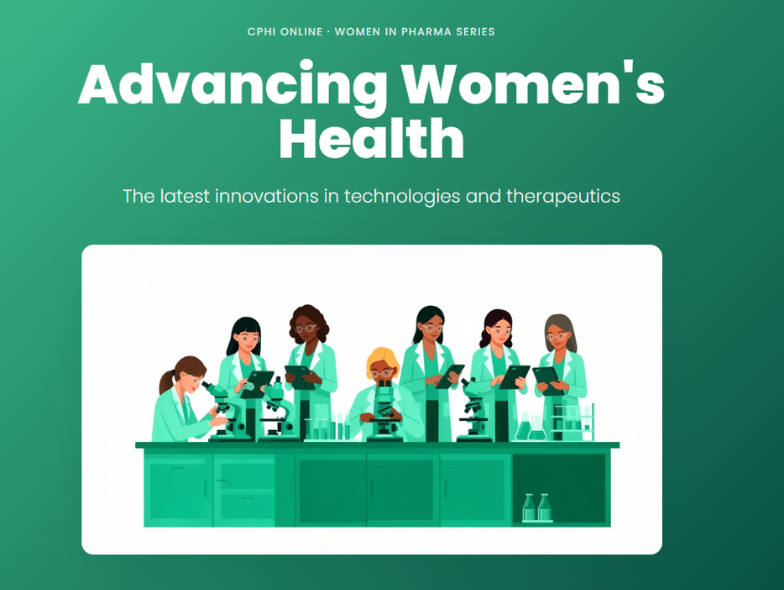
News Women in Pharma: Advancing Women's Health
Discover the latest innovations in technologies and therapeutics that are revolutionising women's health in our latest CPHI Online Women in Pharma infographic.
-

News CPHI Pharma Awards 2026: Recognising Excellence in an Evolving Industry
Submissions now open — deadline May 16
-
News Dr Reddy's to launch generic semaglutide in India
Dr Reddy’s Laboratories, one of India’s leading pharmaceutical companies, is preparing to launch a generic version of semaglutide, branded as Obeda, in March. Obeda is expected to provide a more affordable alternative to Ozempic a... -

News Frontier Biotech and GSK Forge RNA Therapy Partnership
Frontier Biotechnologies and GSK have entered a global licensing agreement to advance small interfering RNA (siRNA) therapeutics. This collaboration grants GSK exclusive rights to develop and commercialise two promising siRNA candidates, marking a mile...