
What the Novo Holdings and Catalent deal means for pharma outsourcing
.png)
On February 5, 2024, Novo Holdings announced their intention to acquire pharma and biotech CDMO Catalent at US$16.5 billion. Read more about what this means for the pharmaceutical industry as a whole, from drugmakers to their partners in manufacturing.
A big deal: Novo, Catalent, and the rest
On February 5, 2024, Novo Holdings announced their intention to acquire pharma and biotech CDMO Catalent at US$16.5 billion. The deal will also see Novo Holdings sell three of Catalent’s fill-finish facilities to Novo Nordisk, in which Novo Holdings is the largest shareholder. While mergers and acquisitions are nothing new in the pharmaceutical outsourcing space, with more organisations looking to add manufacturing capacities to their portfolios, the Catalent acquisition was neither driven by a need for third-party capabilities nor increasing outsourcing capabilities for others. Instead, it comes as a result of securing manufacturing capacity for Novo’s weight-loss blockbuster drug Wegovy, with the three fill-finish facilities being sold to incorporate an in-house GLP-1 production network [1]. The deal has become one of the biggest transactions of cell and gene therapy capacity ever [1]. The more common deal between a pharma company and a contract organisation involves the divestment of a manufacturing site to the CDMO/CMO.
To say the least, the pharmaceutical industry has witnessed an unexpected shake-up. Questions around Catalent’s existing agreements with other drug sponsors like AstraZeneca, AbbVie, and BioNTech have only added to concerns regarding Catalent’s capabilities to meet operational obligations [2]. Commenting on the acquisition, AstraZeneca’s Chief Executive Pascal Soriot stated the importance of developing independent control over one’s own supply chain and in-house manufacturing capacity [3]. Competitor Eli Lilly, also in the weight-loss drug race with their own products Mounjaro and Zepbound, commented on the deal as unusual, with added concern surrounding the monopolised control of parts of the pharma supply chain [2].
The European Medicines Agency has announced their intention to investigate any risks posed by the acquisition on the availability of medicines processed at the sites to be sold to Novo Nordisk [4]. Novo Nordisk seems to be well aware of the benefits of this strategy – soaring demand for Wegovy can be met with the increased in-house manufacturing capabilities dedicated to the GLP-1 agonist drug product. The increased oversight of its own manufacturing facilities will also provide resilience against potential supply chain disruptions, ensuring a competitive edge in providing medicines to the market. Prior to the acquisition, Catalent was the main fill-finish partner for Novo Nordisk’s Wegovy. As of February 14, 2024, Catalent has reduced their workforce by 300 individuals, and seen their shares just exceed Wall Street estimates for Q2 revenues [5].
Implications for the future of pharma outsourcing
Though the acquisition is still yet to be approved by company shareholders and regulators, the effect its announcement has had on the wider industry is already causing many within the supply chain to question how this will change the industry [6].
While such deals are generally uncommon, some foresee more of these deals in the future (that of operating companies acquiring pure manufacturing organisations). Peter Bigelow, President, xCell Strategic Consulting, tells CPHI Online that “The acquisition of a pureplay CDMO by an operating company is rare but might make more and more sense as operating companies need to obtain capacity quickly. Expect to see more of these types of deals.” More and more drugmakers are investing in the booming weight-loss market – Eli Lilly, as mentioned, but also Pfizer with a modified version of danuglipron, Roche’s acquisition of Carmot Therapeutics and their CT-388 drug candidate, and Amgen’s experimental AMG133. As the obesity drug race increases, more pharmaceutical sponsors may find it appealing to bring sourcing and manufacturing in-house with acquisitions over partnerships.
However, some experts in the industry are sceptical this will become a trend. In an interview with GlobalData PharmSource, Gil Roth, President, Pharma & Biopharma Outsourcing Association, states that “Novo-Catalent is certainly a unique scenario, and I’m hard-pressed to imagine a similar take-out happening with the remaining CDMOs in the field” [2]. As of now, the Catalent acquisition will add fill-finish capacity to Novo Nordisk’s own products, with most experts expecting their non-injectables business to remain as a traditional CMDO. Might current CDMOs take this opportunity to bolster their offerings and capacity in a bid to match the obesity drug demand? The current trend within pharma continues to be moving away from in-house manufacturing and outsourcing to a contract organisation, with less transactional strategies and more relationship-focused agreements [6]. The last few years have certainly seen a boom in outsourcing, and at this point, may continue to witness this – more than 50% over pharmaceutical executives surveyed in the 2023 CPHI Annual Survey stated they expected their outsourcing activities to increase in the next year. It will remain to be seen whether the Catalent/Novo deal will have any effect on these expectations.
References
[1] Novo Catalent deal primed to shake up CGT outsourcing space [Accessed February 8, 2024] https://bioprocessintl.com/bioprocess-insider/therapeutic-class/novo-catalent-deal-primed-to-shake-up-cgt-outsourcing-space/
[2] Novo to buy Catalent: the backlash begins [Accessed February 13, 2024]https://www.pharmaceutical-technology.com/analyst-comment/novo-to-buy-catalent-the-backlash-begins/?cf-view&cf-closed
[3] AstraZeneca says Catalent deal shows need for in-house capacity [Accessed February 12, 2024]https://www.reuters.com/markets/deals/astrazeneca-says-catalent-deal-shows-importance-in-house-capacity-2024-02-08/#:~:text=%22There%20is%20a%20lot%20more,buying%20Catalent%20for%20%2416.5%20billion
[4] EU watchdog looking into impact on drug availability from Catalent-Novo deal [Accessed February 12, 2024]https://www.reuters.com/business/healthcare-pharmaceuticals/eu-watchdog-is-looking-into-availability-drugs-made-catalent-sites-sold-novo-2024-02-07/
[5] Britain sees launch of Lilly’s weight-loss drug Mounjaro [Accessed February 15, 2024]https://www.reuters.com/business/healthcare-pharmaceuticals/britain-sees-launch-lillys-weight-loss-drug-mounjaro-2024-02-14/
[6] 3 questions hanging over the Novo-Catalent deal [Accessed February 13, 2024]https://www.pharmavoice.com/news/novo-catalent-eli-lilly-wegovy-fda/707309/
Related News
-

News Swiss pharma industry warns US tariffs could harm global patient care
The Swiss pharmaceutical sector has raised alarms over new US tariffs on medicines, warning of disrupted supply chains, increased costs, and delayed innovation, all of which could jeopardise patient access to essential treatments worldwide.
-
News Women in Pharma: CPHI India – India’s Pharmaceutical Industry and Gender Inclusion Challenges
India’s pharmaceutical industry has emerged as a significant player in the global market, valued at USD 50 billion in FY 2023-2024, according to Frost & Sullivan’s analysis. This sector encompasses a diverse portfolio, including drugs, vacc... -
News Biogen acquires Apellis Pharmaceuticals to boost immunology and rare disease profile
Biogen Inc. has announced its acquisition of Apellis Pharmaceuticals, Inc., a move that is set to significantly enhance its growth portfolio in immunology and rare diseases. The agreement, valued at approximately US$5.6 billion, will see Biogen purchas... -
News Gilead Sciences acquires Ouro Medicines for over US$2 billion
Gilead Sciences confirms a deal to take over Ouro Medicines, adding to a portfolio of therapies for autoimmune diseases.
-
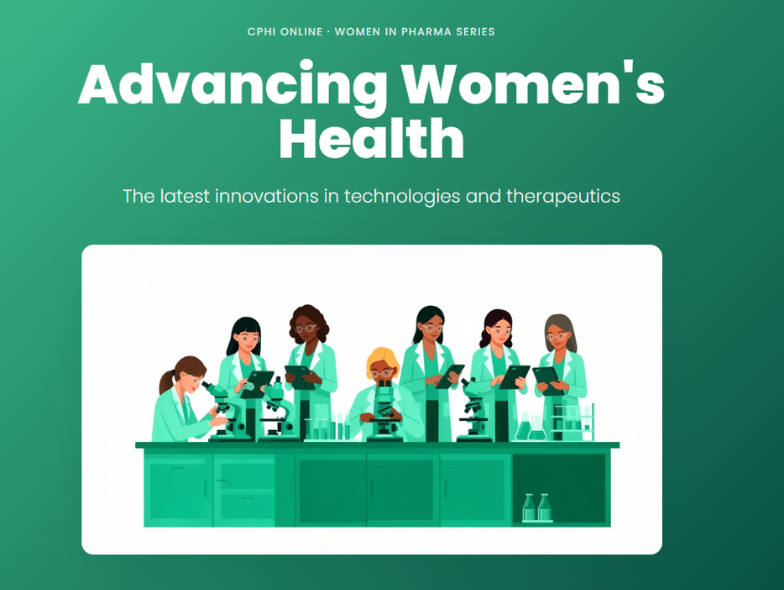
News Women in Pharma: Advancing Women's Health
Discover the latest innovations in technologies and therapeutics that are revolutionising women's health in our latest CPHI Online Women in Pharma infographic.
-

News CPHI Pharma Awards 2026: Recognising Excellence in an Evolving Industry
Submissions now open — deadline May 16
-
News Dr Reddy's to launch generic semaglutide in India
Dr Reddy’s Laboratories, one of India’s leading pharmaceutical companies, is preparing to launch a generic version of semaglutide, branded as Obeda, in March. Obeda is expected to provide a more affordable alternative to Ozempic a... -
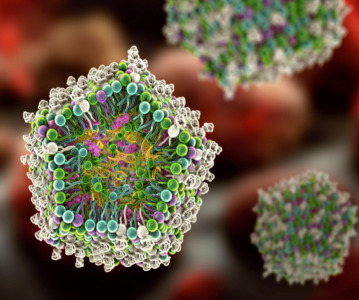
News Frontier Biotech and GSK Forge RNA Therapy Partnership
Frontier Biotechnologies and GSK have entered a global licensing agreement to advance small interfering RNA (siRNA) therapeutics. This collaboration grants GSK exclusive rights to develop and commercialise two promising siRNA candidates, marking a mile...