
WHO recommends use of two monoclonal antibody treatments against Ebola
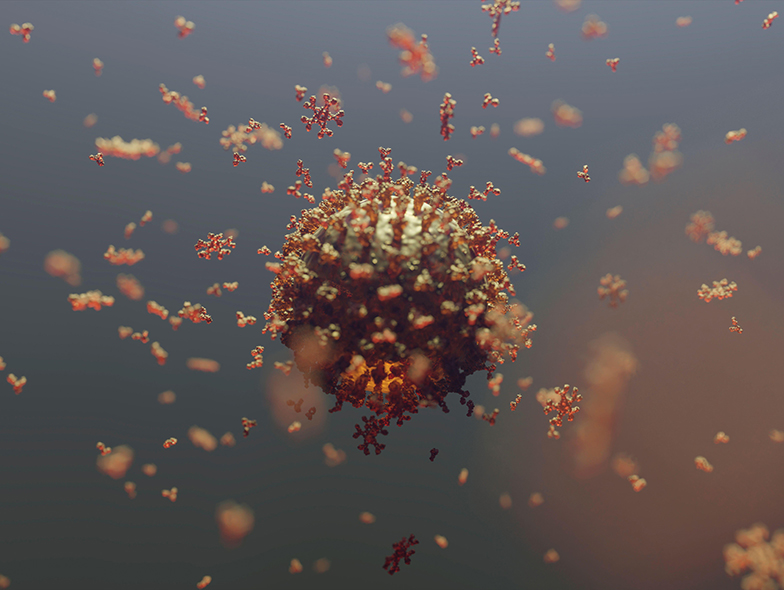
The health body recommended use of treatments by Regeneron and Ridgeback Bio
The World Health Organization (WHO) on Friday recommended two monoclonal antibody treatments against Ebola, saying the use of such drugs had ‘revolutionised’ treatment of the disease.
The agency recommended use of Regeneron's Inmazeb (REGN-EB3) and Ridgeback Bio's Ebanga (mAb114), both monoclonal antibodies that mimic natural antibodies in fighting off infections.
Ebola is a haemorrhagic fever that causes severe and often fatal illness affecting humans and other primates. The virus is transmitted to people from wild animals (such as fruit bats, porcupines and non-human primates) and then spreads in the human population through direct contact with the blood, secretions, organs or other bodily fluids of infected people, and with surfaces and materials contaminated with these fluids. The average case fatality rate sits at about 50%.
‘Advances in supportive care and therapeutics over the past decade have revolutionised the treatment of Ebola. Ebola virus disease used to be perceived as a near certain killer. However, that is no longer the case,’ said Robert Fowler, co-chair of WHO's guideline development group.
He noted that use of these treatments now leads to the recovery of the ‘vast majority’ of people from Ebola. The new recommendations follow trials of the drugs against Ebola in Democratic Republic of Congo during an outbreak there spanning 2018-2020.
Related News
-
News Swiss pharma industry warns US tariffs could harm global patient care
The Swiss pharmaceutical sector has raised alarms over new US tariffs on medicines, warning of disrupted supply chains, increased costs, and delayed innovation, all of which could jeopardise patient access to essential treatments worldwide.
-

News Women in Pharma: CPHI India – India’s Pharmaceutical Industry and Gender Inclusion Challenges
India’s pharmaceutical industry has emerged as a significant player in the global market, valued at USD 50 billion in FY 2023-2024, according to Frost & Sullivan’s analysis. This sector encompasses a diverse portfolio, including drugs, vacc... -
News Biogen acquires Apellis Pharmaceuticals to boost immunology and rare disease profile
Biogen Inc. has announced its acquisition of Apellis Pharmaceuticals, Inc., a move that is set to significantly enhance its growth portfolio in immunology and rare diseases. The agreement, valued at approximately US$5.6 billion, will see Biogen purchas... -
News Gilead Sciences acquires Ouro Medicines for over US$2 billion
Gilead Sciences confirms a deal to take over Ouro Medicines, adding to a portfolio of therapies for autoimmune diseases.
-
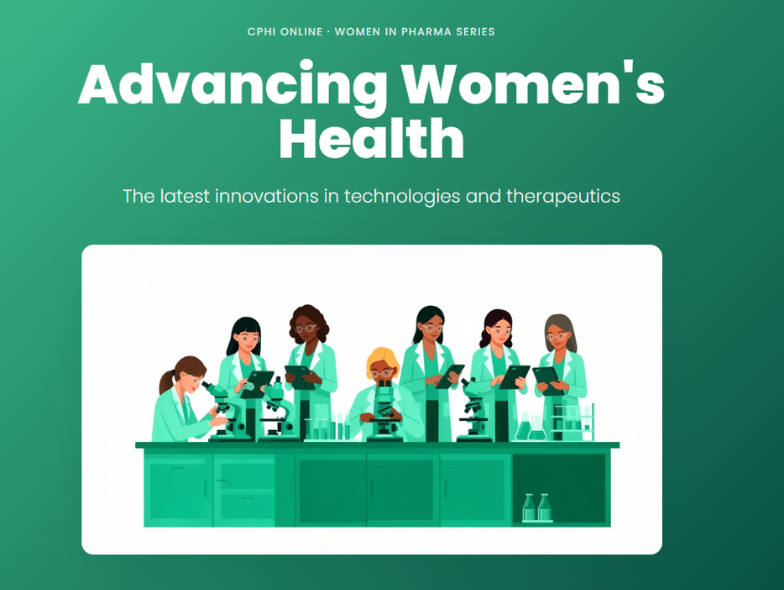
News Women in Pharma: Advancing Women's Health
Discover the latest innovations in technologies and therapeutics that are revolutionising women's health in our latest CPHI Online Women in Pharma infographic.
-

News CPHI Pharma Awards 2026: Recognising Excellence in an Evolving Industry
Submissions now open — deadline May 16
-
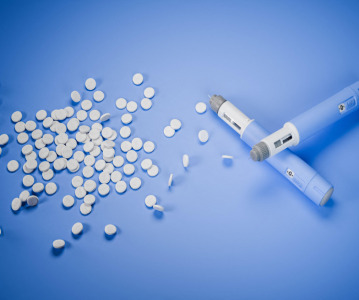
News Dr Reddy's to launch generic semaglutide in India
Dr Reddy’s Laboratories, one of India’s leading pharmaceutical companies, is preparing to launch a generic version of semaglutide, branded as Obeda, in March. Obeda is expected to provide a more affordable alternative to Ozempic a... -
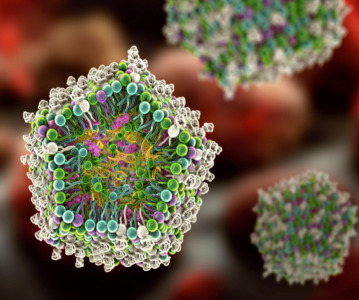
News Frontier Biotech and GSK Forge RNA Therapy Partnership
Frontier Biotechnologies and GSK have entered a global licensing agreement to advance small interfering RNA (siRNA) therapeutics. This collaboration grants GSK exclusive rights to develop and commercialise two promising siRNA candidates, marking a mile...