
WHO says monkeypox not a health emergency, but leaders ‘deeply concerned’
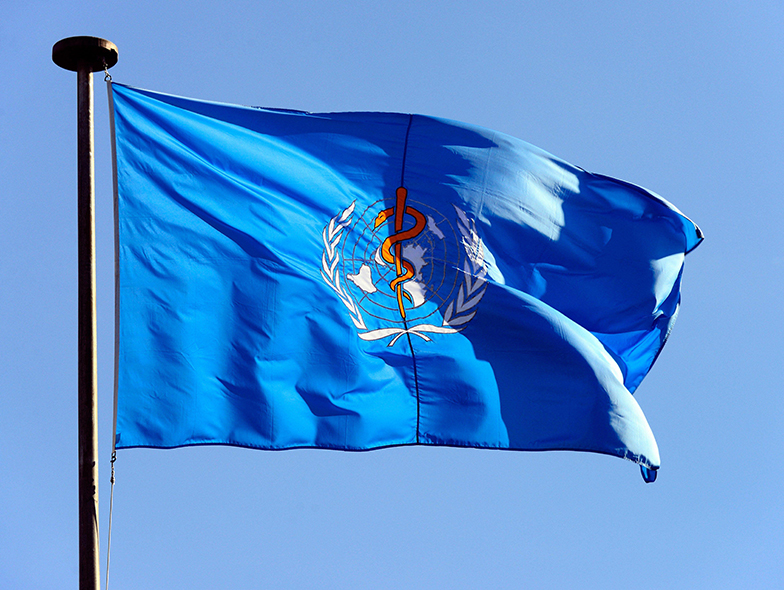
The UN agency convened a meeting last week to discuss the outbreak
The World Health Organization has determined that monkeypox is not yet a global health emergency after a meeting of international experts last week.
The health body said in a statement that although there were some differing views within the committee, they ultimately agreed by consensus that the outbreak does not warrant the Public Health Emergency of International Concern (PHEIC) title.
However, WHO Director-General Tedros Adhanom Ghebreyesus noted that the situation remains serious. He said: ‘I am deeply concerned about the monkeypox outbreak, this is clearly an evolving health threat that my colleagues and I in the WHO Secretariat are following extremely closely.’
The ‘global emergency’ label currently only applies to the coronavirus pandemic and efforts to eradicate polio.
There have been more than 3,200 confirmed cases of monkeypox and one death reported in the last six weeks from 48 countries where it does not usually spread, according to according to the UN agency. Almost 1,500 cases and 70 deaths in central Africa, where the disease is more common, have also been reported, with the majority in the Democratic Republic of Congo.
The disease spreads through close contact and symptoms include fever, rashes and lesions on the skin. It has been spreading largely between men who have sex with men outside the countries where it is endemic, though it is not defined as a sexually transmitted infection.
There are vaccines and treatments available for monkeypox, although they are in limited supply. On June 14, vaccine maker Bavarian Nordic announced that it had signed a supply agreement with the European Union for 110,000 doses of its Imvanex shot. These will be made available to EU Member States, Norway and Iceland.
There are no current plans for widespread vaccination. Countries with available doses, such as the UK and Germany, have recommended the shot for those at the highest risk of contracting the disease, which includes gay and bisexual men, healthcare workers, and close contacts.
Related News
-
News Swiss pharma industry warns US tariffs could harm global patient care
The Swiss pharmaceutical sector has raised alarms over new US tariffs on medicines, warning of disrupted supply chains, increased costs, and delayed innovation, all of which could jeopardise patient access to essential treatments worldwide.
-
News Women in Pharma: CPHI India – India’s Pharmaceutical Industry and Gender Inclusion Challenges
India’s pharmaceutical industry has emerged as a significant player in the global market, valued at USD 50 billion in FY 2023-2024, according to Frost & Sullivan’s analysis. This sector encompasses a diverse portfolio, including drugs, vacc... -
News Biogen acquires Apellis Pharmaceuticals to boost immunology and rare disease profile
Biogen Inc. has announced its acquisition of Apellis Pharmaceuticals, Inc., a move that is set to significantly enhance its growth portfolio in immunology and rare diseases. The agreement, valued at approximately US$5.6 billion, will see Biogen purchas... -
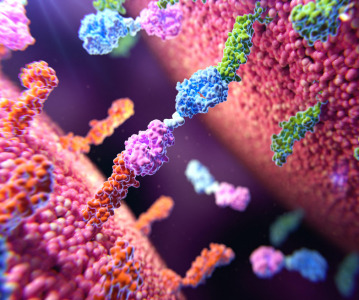
News Gilead Sciences acquires Ouro Medicines for over US$2 billion
Gilead Sciences confirms a deal to take over Ouro Medicines, adding to a portfolio of therapies for autoimmune diseases.
-
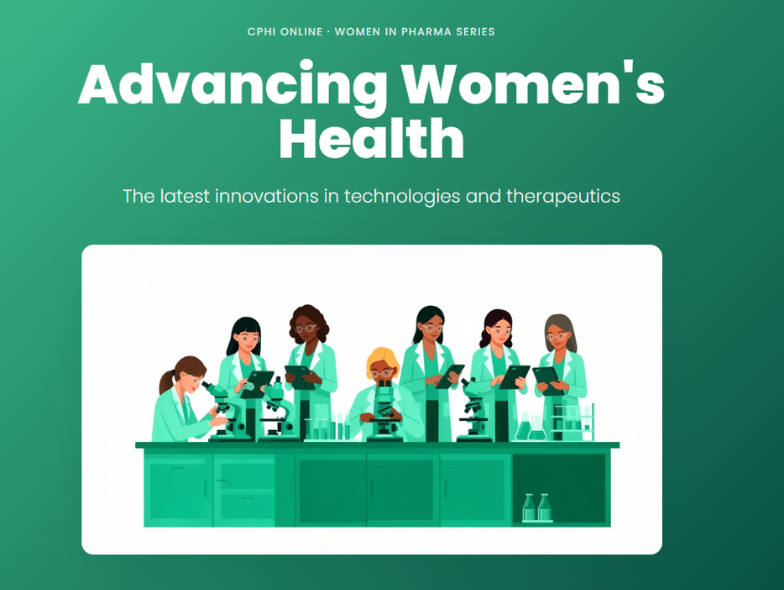
News Women in Pharma: Advancing Women's Health
Discover the latest innovations in technologies and therapeutics that are revolutionising women's health in our latest CPHI Online Women in Pharma infographic.
-

News CPHI Pharma Awards 2026: Recognising Excellence in an Evolving Industry
Submissions now open — deadline May 16
-
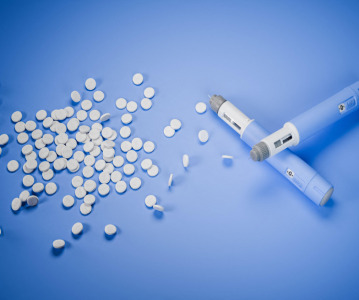
News Dr Reddy's to launch generic semaglutide in India
Dr Reddy’s Laboratories, one of India’s leading pharmaceutical companies, is preparing to launch a generic version of semaglutide, branded as Obeda, in March. Obeda is expected to provide a more affordable alternative to Ozempic a... -
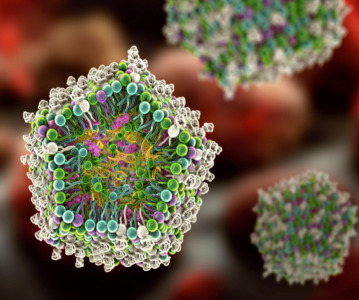
News Frontier Biotech and GSK Forge RNA Therapy Partnership
Frontier Biotechnologies and GSK have entered a global licensing agreement to advance small interfering RNA (siRNA) therapeutics. This collaboration grants GSK exclusive rights to develop and commercialise two promising siRNA candidates, marking a mile...