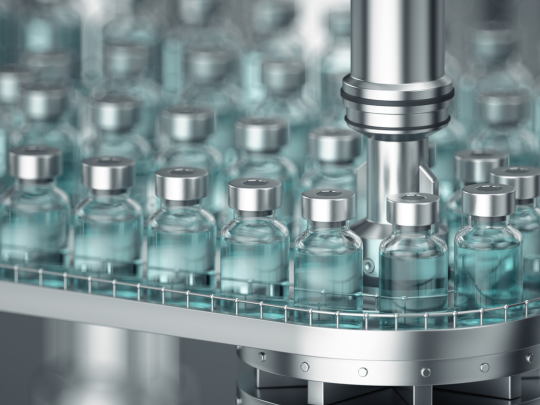
Injectables
Injectables Companies (200)





.jpg)


















































































































































.png)




























Injectables News
-
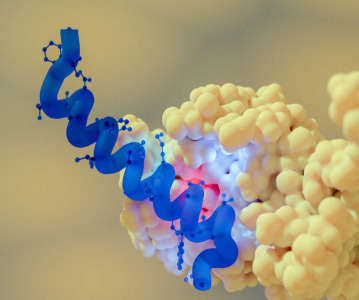
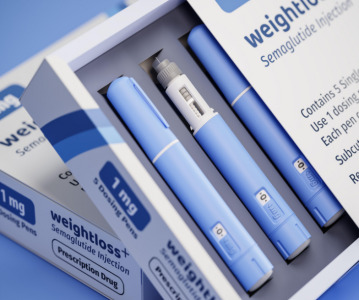
News Latest updates for semaglutide: reduction of renal failure risk
Recent data presented at the 2024 European Society for Cardiology (ESC) conference analysed Novo Nordisk’s Ozempic (semaglutide) and its effectiveness in the management of chronic kidney disease (CKD). This follows previous analysis on semaglutid... -
.png)
News Eisai Alzheimer’s drug authorised in UK but still faces obstacles
In partnership with BioArctic AB, pharmaceutical company Eisai has been granted Marketing Authorisation by the Medicines and Healthcare products Regulatory Agency (MHRA) for its Alzheimer’s disease drug product Leqembi.
-
.png)
News Novel oral Type 1 diabetes drug gains US FDA IND designation
A University of Alabama at Birmingham startup has gained FDA clearance for Investigational New Drug clinical trials for an oral Type 1 diabetes drug, a milestone for diabetes treatment.
-
.png)
News Second obesity drug candidate from Roche shows early trial success
Following from its purchase of Carmot Therapeutics, Roche have announced positive early-stage trial success for its second obesity drug candidate acquired from Carmot Therapeutics.
.png)
.png)
.png)
.png)
.png)




Injectables Products (200)
-
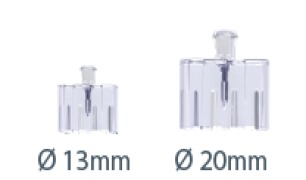
Product RayDyLyo® Vial adapter
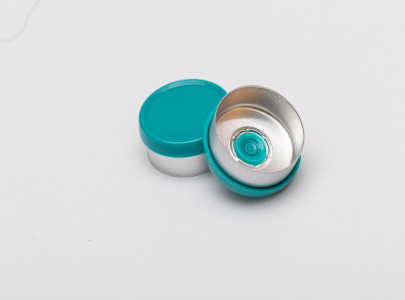
ARaymondlife has developed the essential accessory for drug reconstitution, the vial adapter, one for each RayDyLyo diameter. The RayDyLyo® vial adapter is a medical device intended for the quick and safe reconstitution of drugs, contained in vials capped with RayDyLyo® plastic press fit caps, a...
-
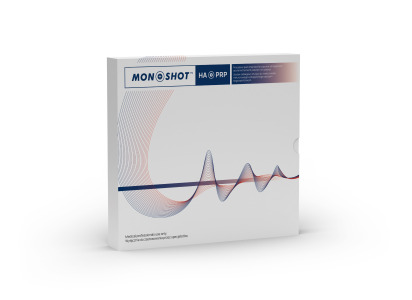
Product Monoshot™ HA+PRP
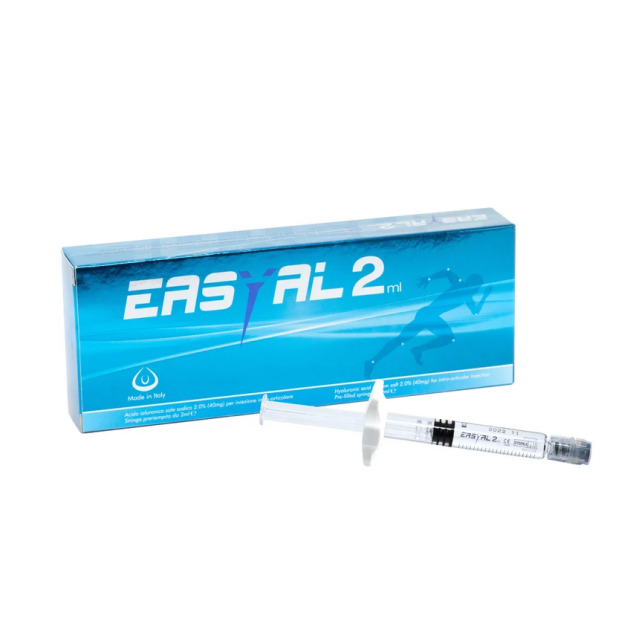
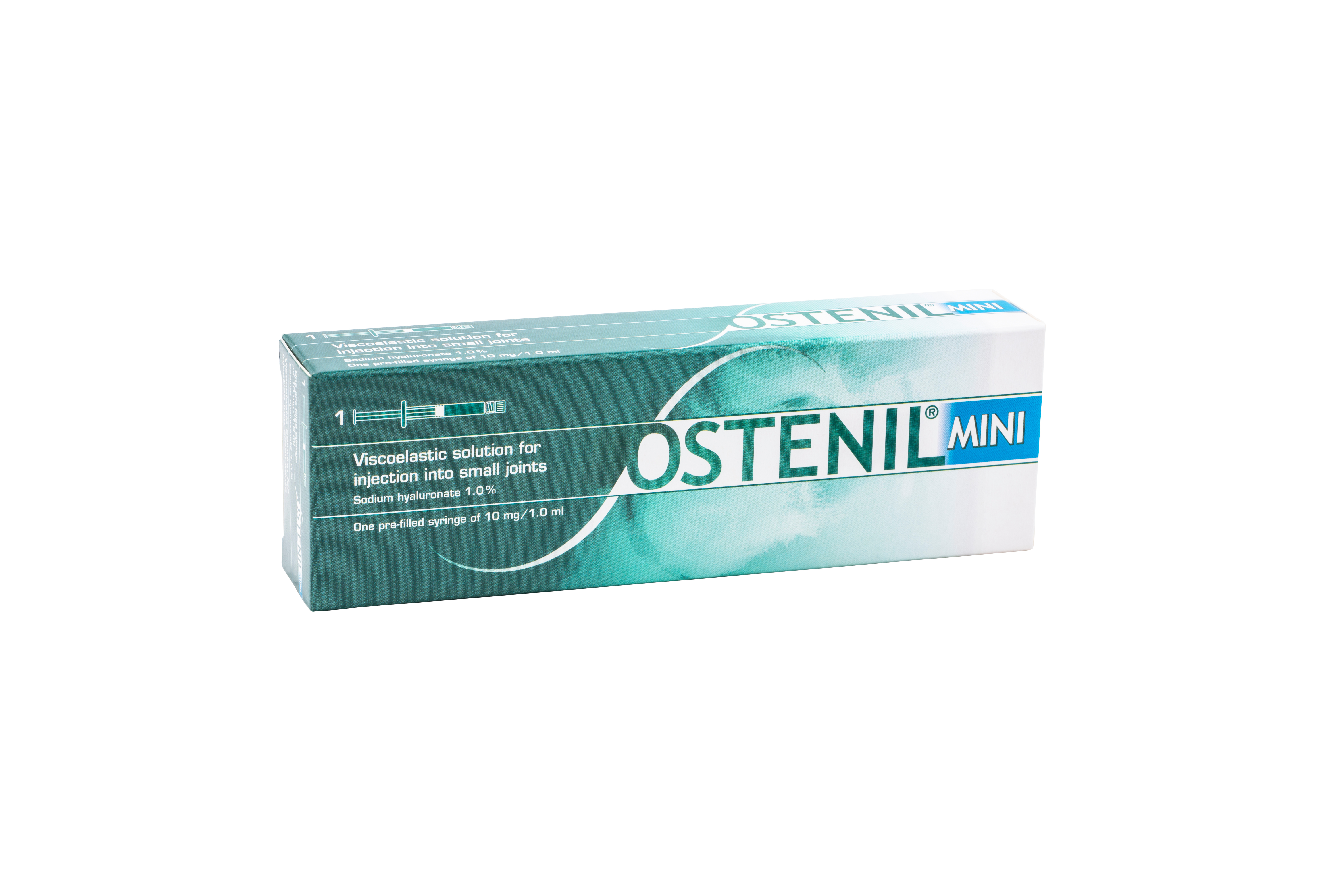
Monoshot™ HA+PRP is an innovative kit combining hyaluronic acid (HA) with platelet-rich plasma (PRP) for intra-articular injection therapy. HA delivers mechanical lubrication and anti-inflammatory action by reducing matrix metalloproteinase production, while PRP — prepared using the dedicated Monoshot™ sep...
-
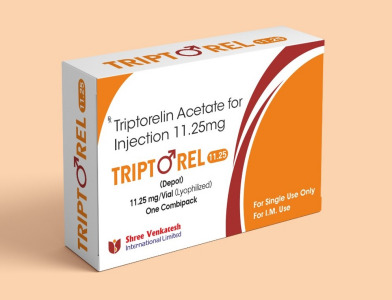
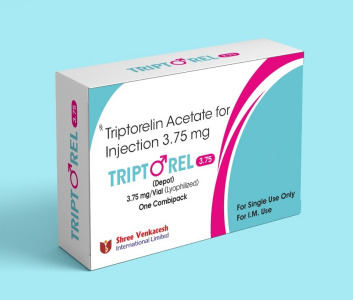
Product Triptorelin Acetate for Injection 11.25 mg. - TRIPTOREL 11.25
Advanced Care with Triptorelin Acetate Injection
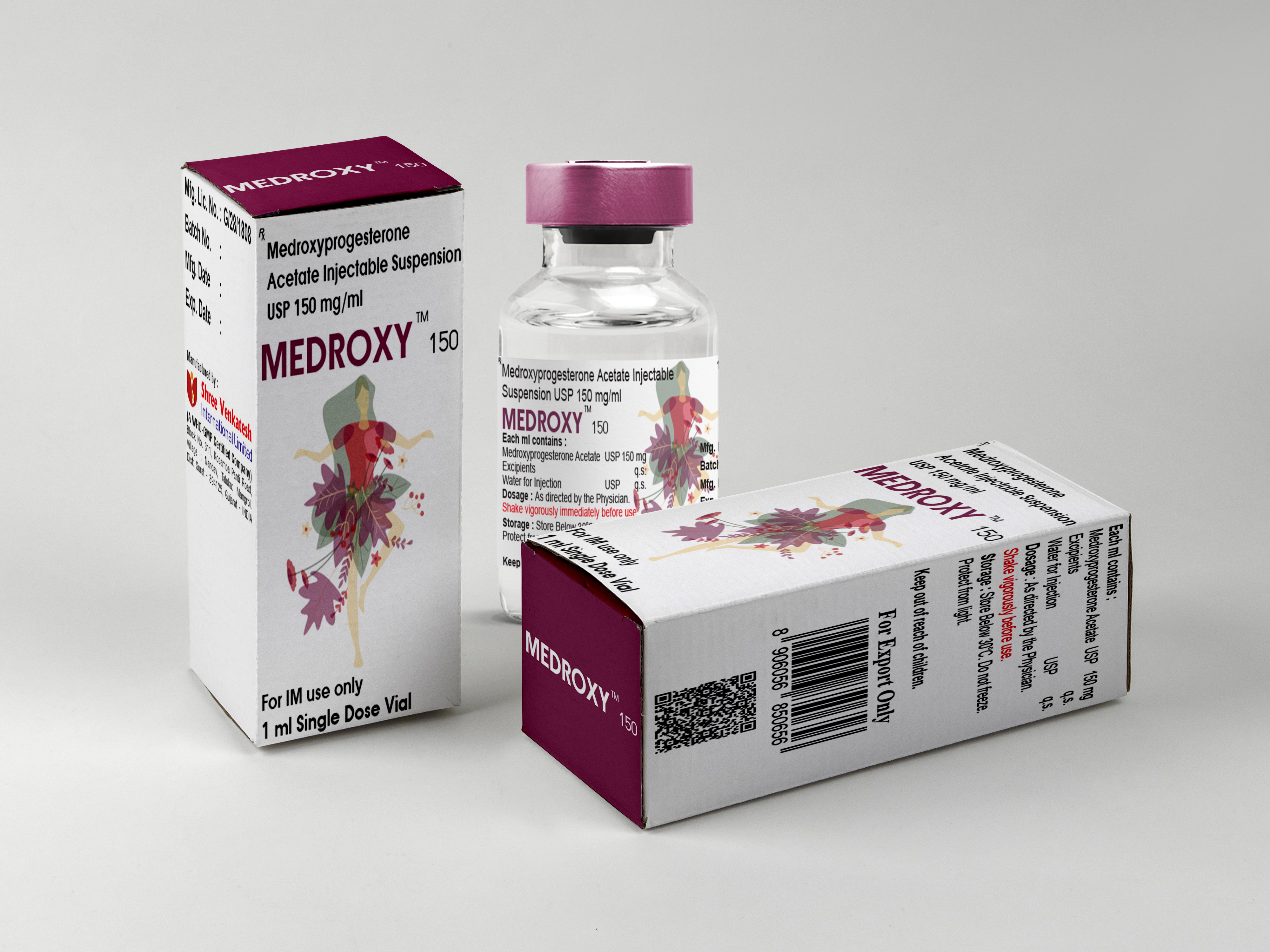
Shree Venkatesh International Ltd. offers a wide range of pharmaceutical products, including Triptorelin Acetate for Injection 11.25 mg.
• Uses: Used in assisted reproductive techniques (IVF), ...
-
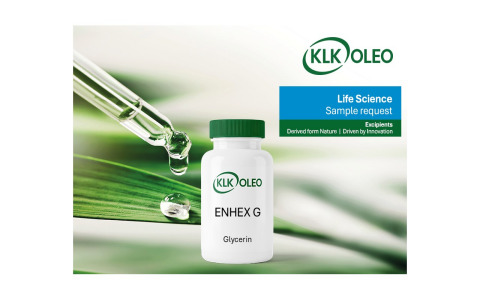
Product ENHEX Glycerin (different grades)
Pharmaceutical grade glycerine is used as excipient in various formulations. Available types:
- Concentrated (99.8%)
- Diluted (86%)
- ...
-
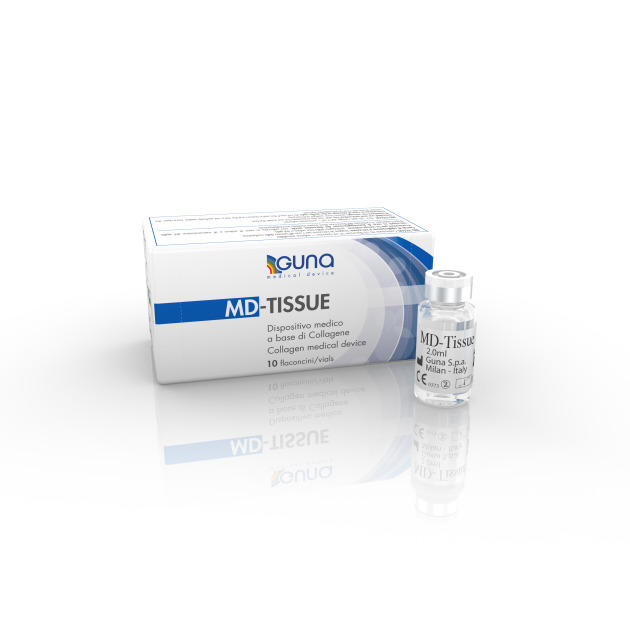
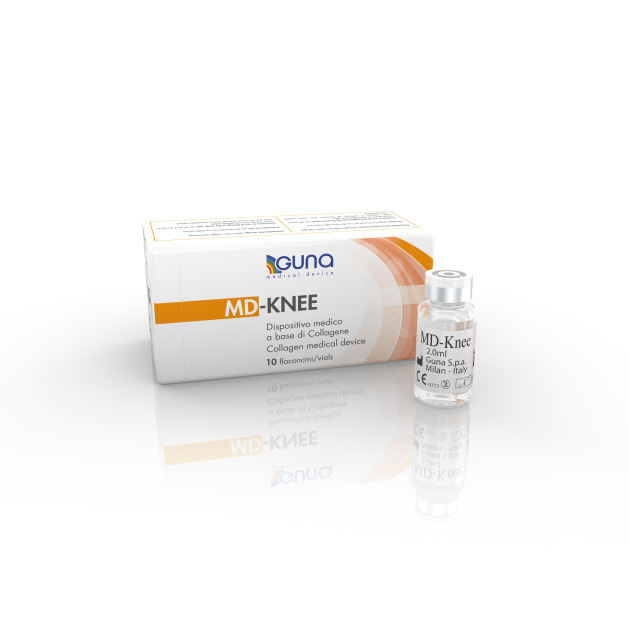
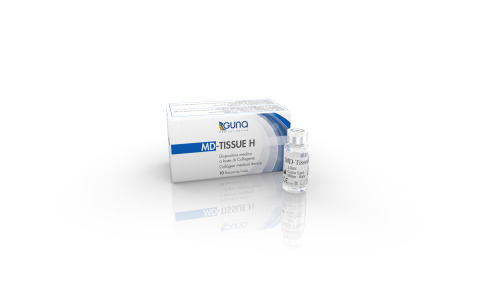
Product MD-TISSUE
Collagen-based Medical Device for injection treatment of tendinopathies. Improves movement and reduces associated pain. Contains Collagen of porcine origin, Ascorbic acid, Magnesium gluconate, Pyridoxine hydrochloride, Riboflavin, Thiamine hydrochloride
-
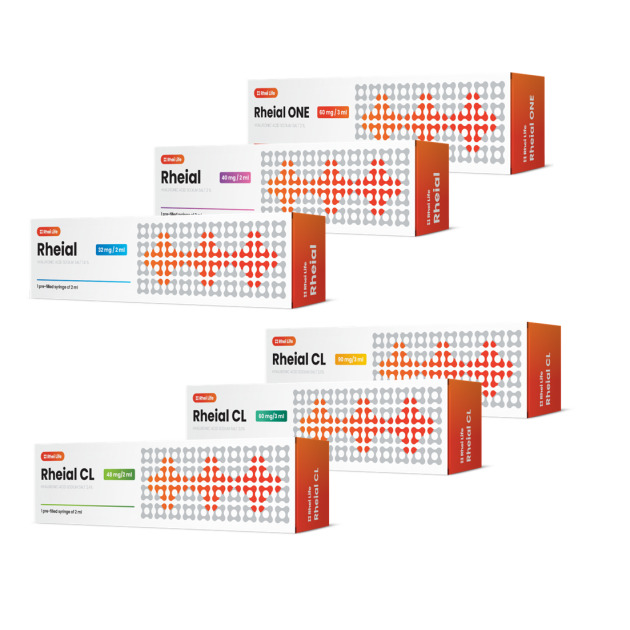
Product Rheial
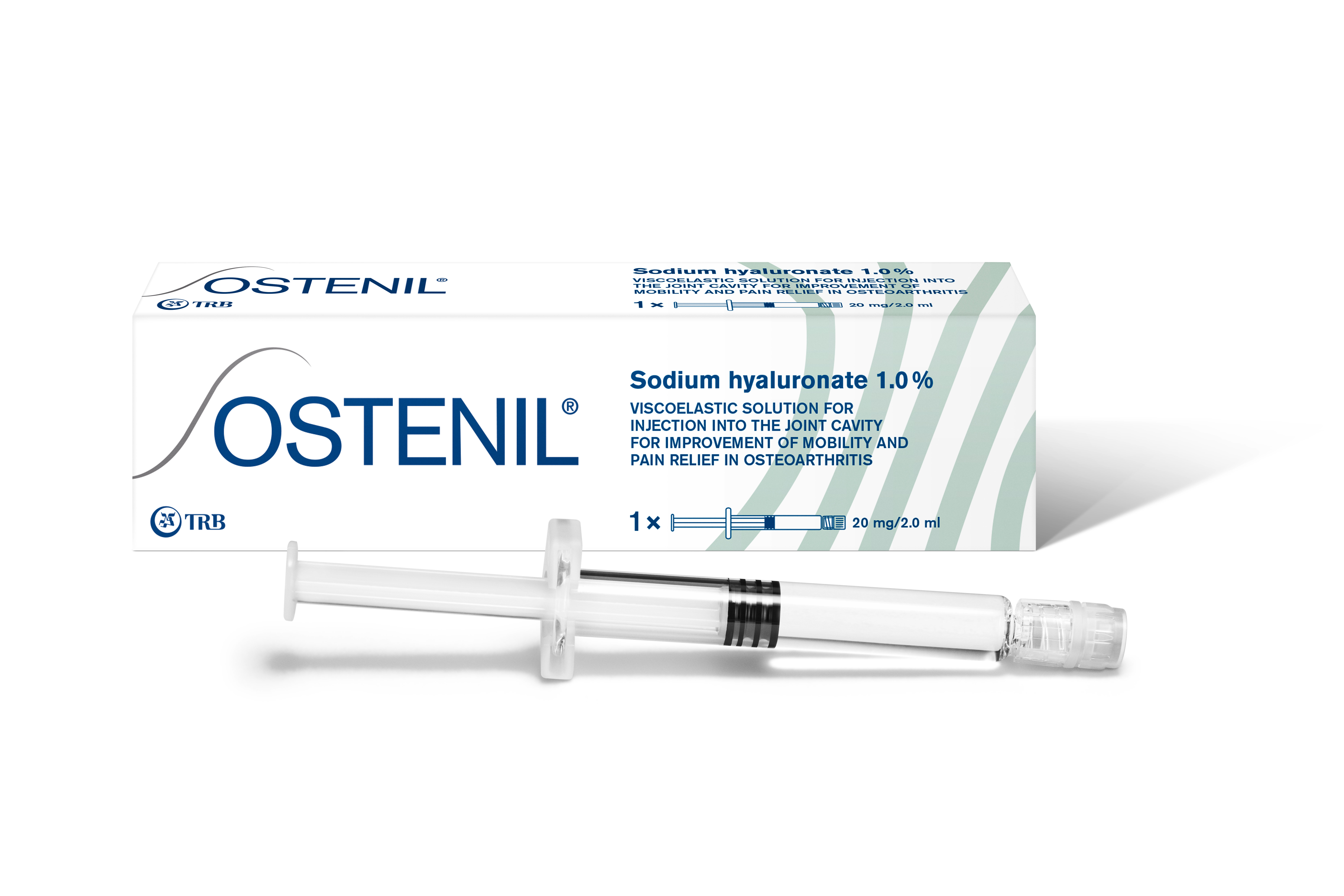
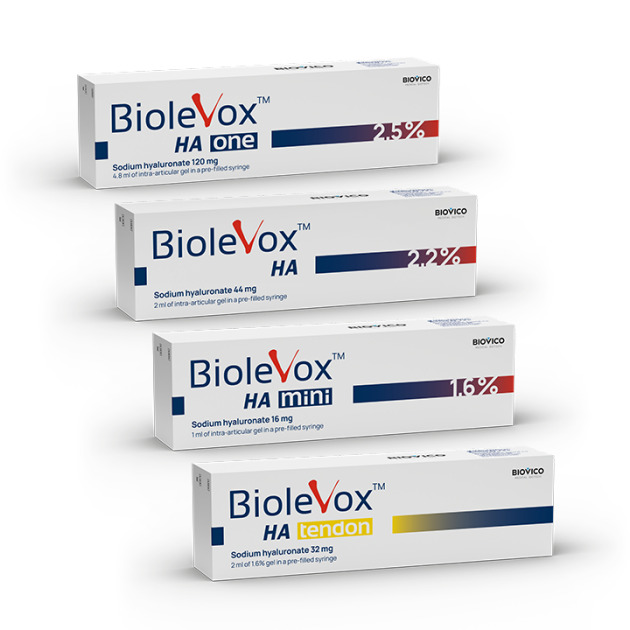
Rheial offers a wide range of HA concentrations and volumes for all types of joints and patients. • Linear Hyaluronic acid • Cross-linked Hyaluronic acid • 20 mg/2 ml • 32 mg/2 ml • 40 mg/2 ml • 48 mg/2 ml • 60 mg/2 ml • 60 mg/3 ml • 72 mg/3 ml • 90 mg/3 ml
...
-
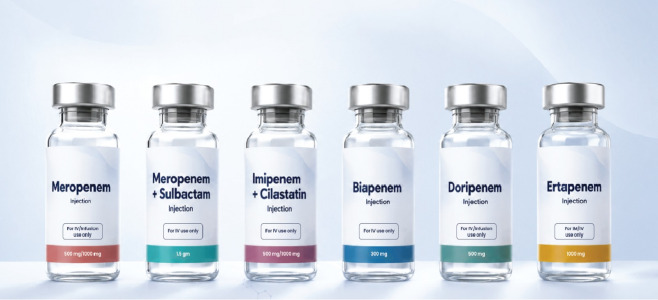
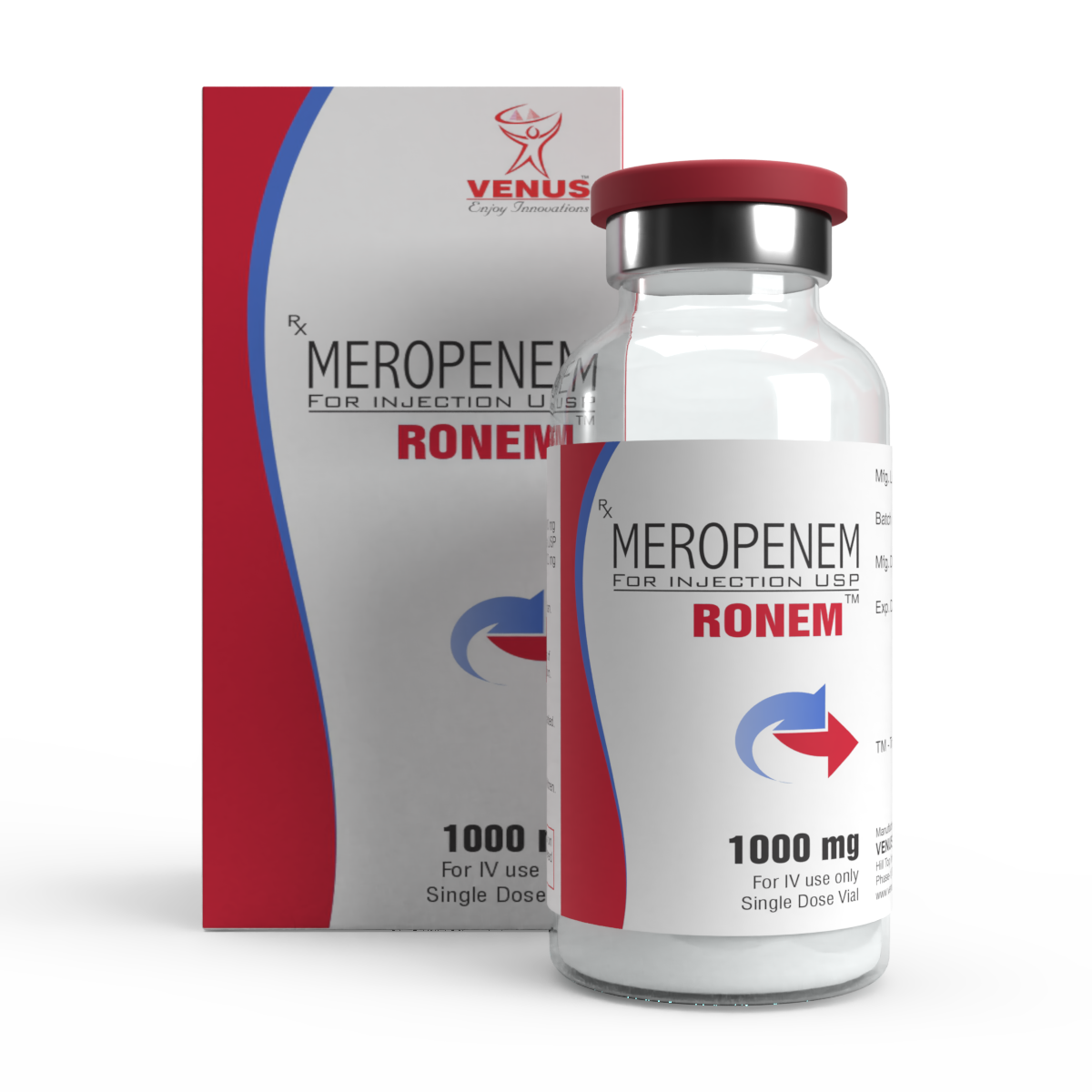
Product Injectables - FULL CARBAPENEM Range
MECHANISM OF ACTION
Carbapenems are broad-spectrum beta-lactam antibiotics that bind penicillin-binding proteins (PBPs) in the bacterial cell wall, inhibiting peptidoglycan cross-linking and causing cell lysis. Their structure confers high stability against most beta-lactamases, including many that in...
-
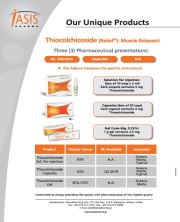
Product RELIEF® Range
Iasis Pharma S.A. provides a wide range of products which includes Relief® solution for injection (Active ingredient: Thiocolchhicoside). It belongs to musculoskeletal system category. Active ingredient: thiocolchicoside. Contact us for more information.
-
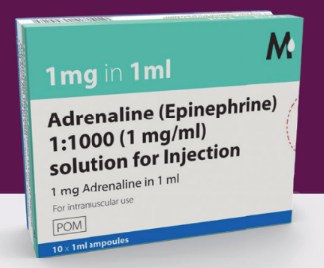
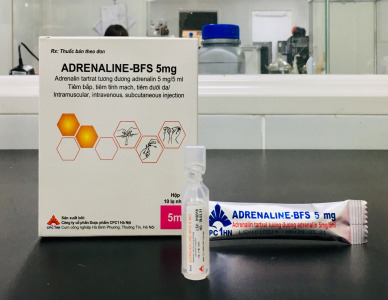
Product Adrenaline (Epinephrine) Solution for Injection
Adrenaline Solution for Injection is a fast-acting emergency medicine used for the treatment of life-threatening conditions such as anaphylaxis and cardiac arrest. It contains epinephrine, a potent sympathomimetic agent that stimulates alpha and beta-adrenergic receptors, resulting in rapid vasoconstrictio...
-
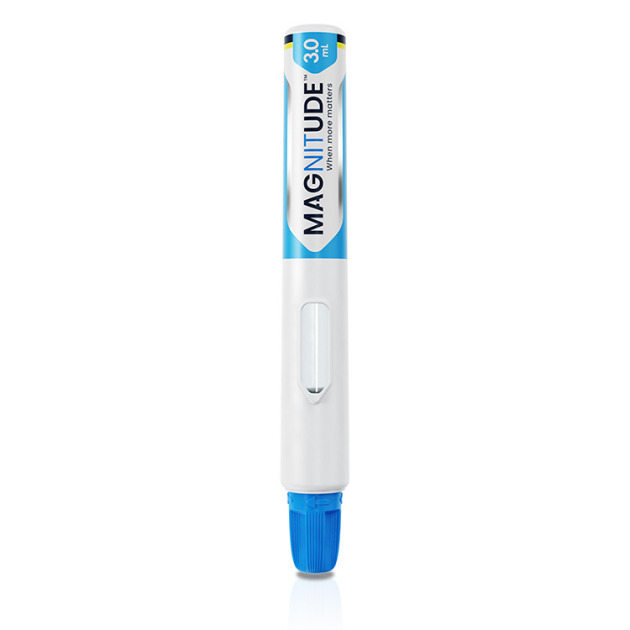
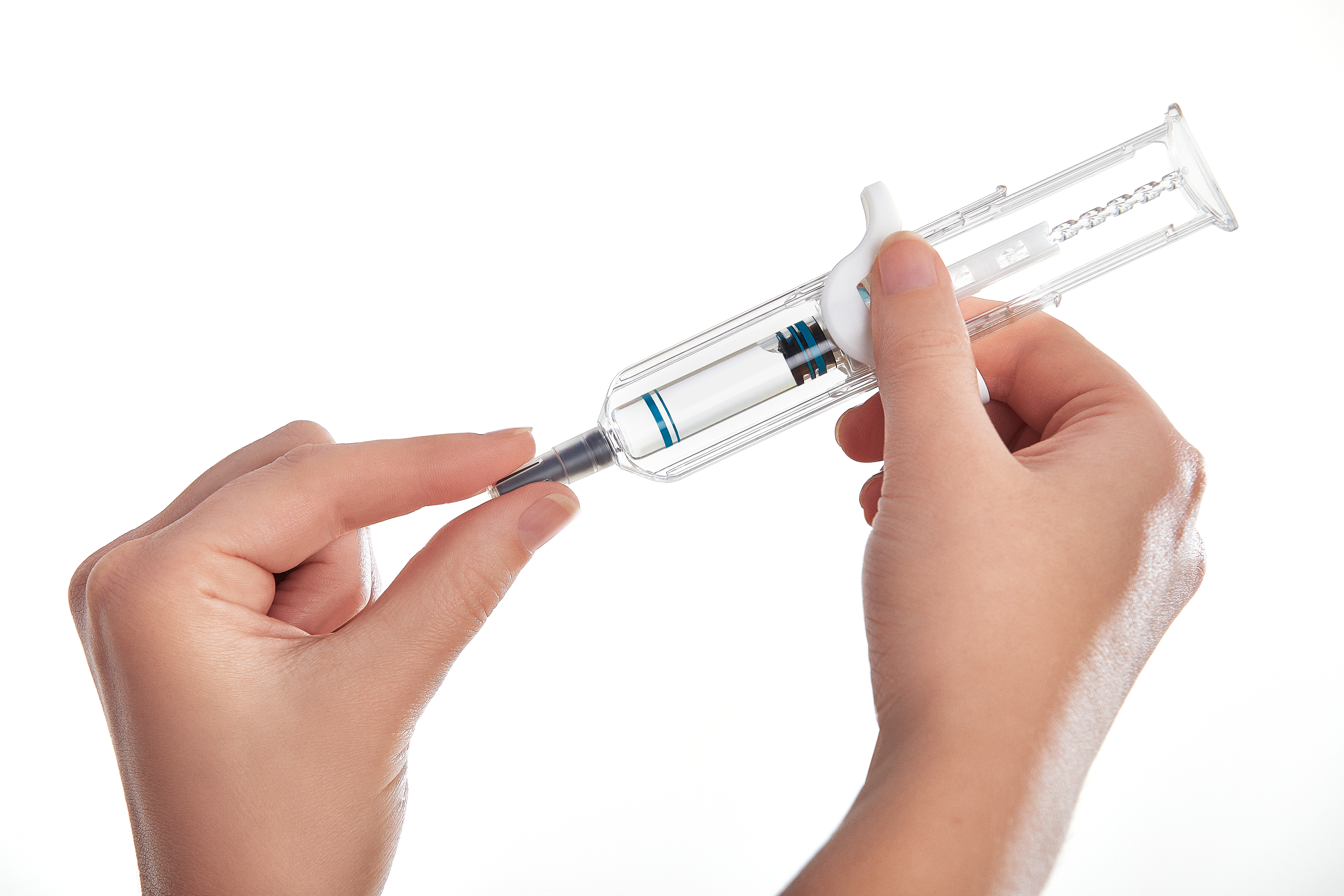
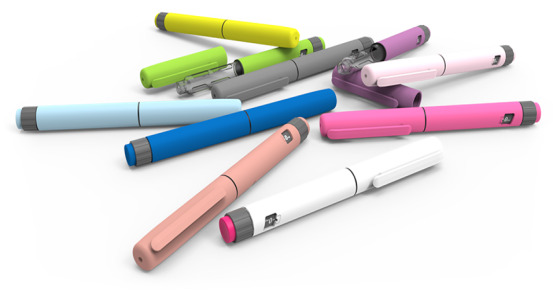
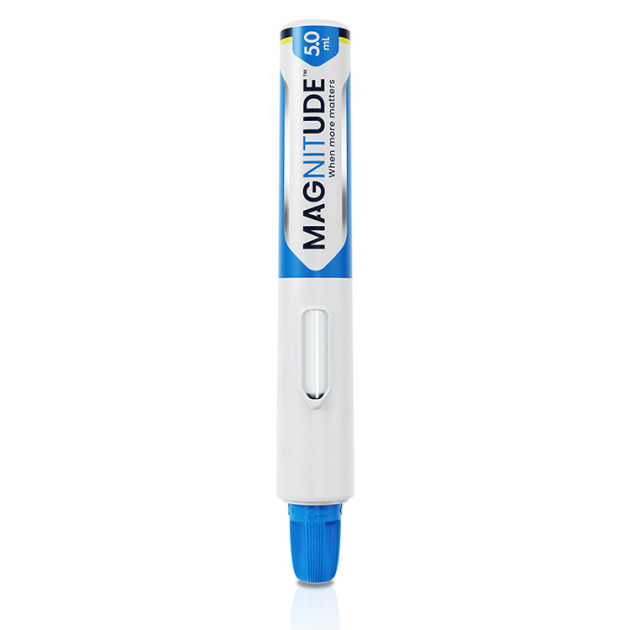
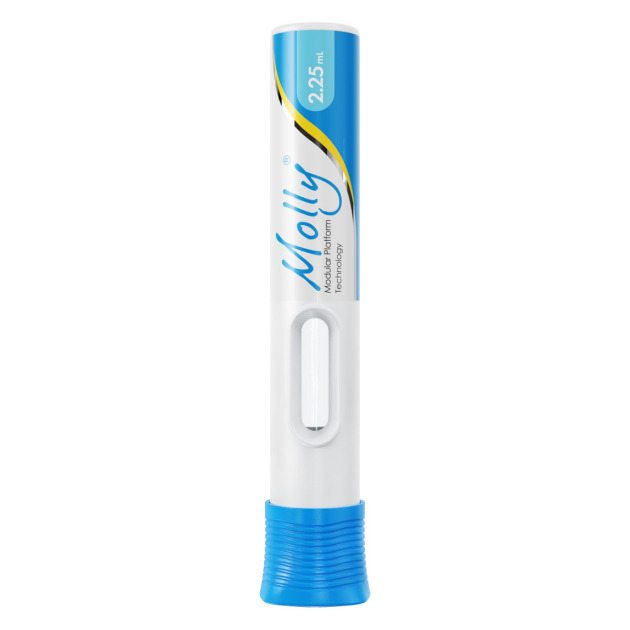
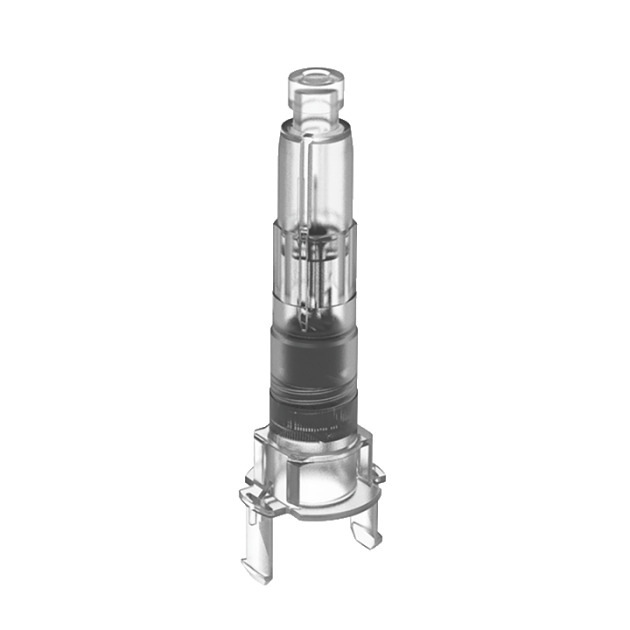
Product Magnitude 3.0 autoinjector
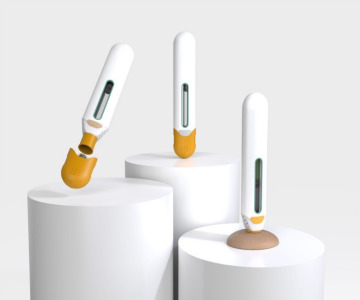
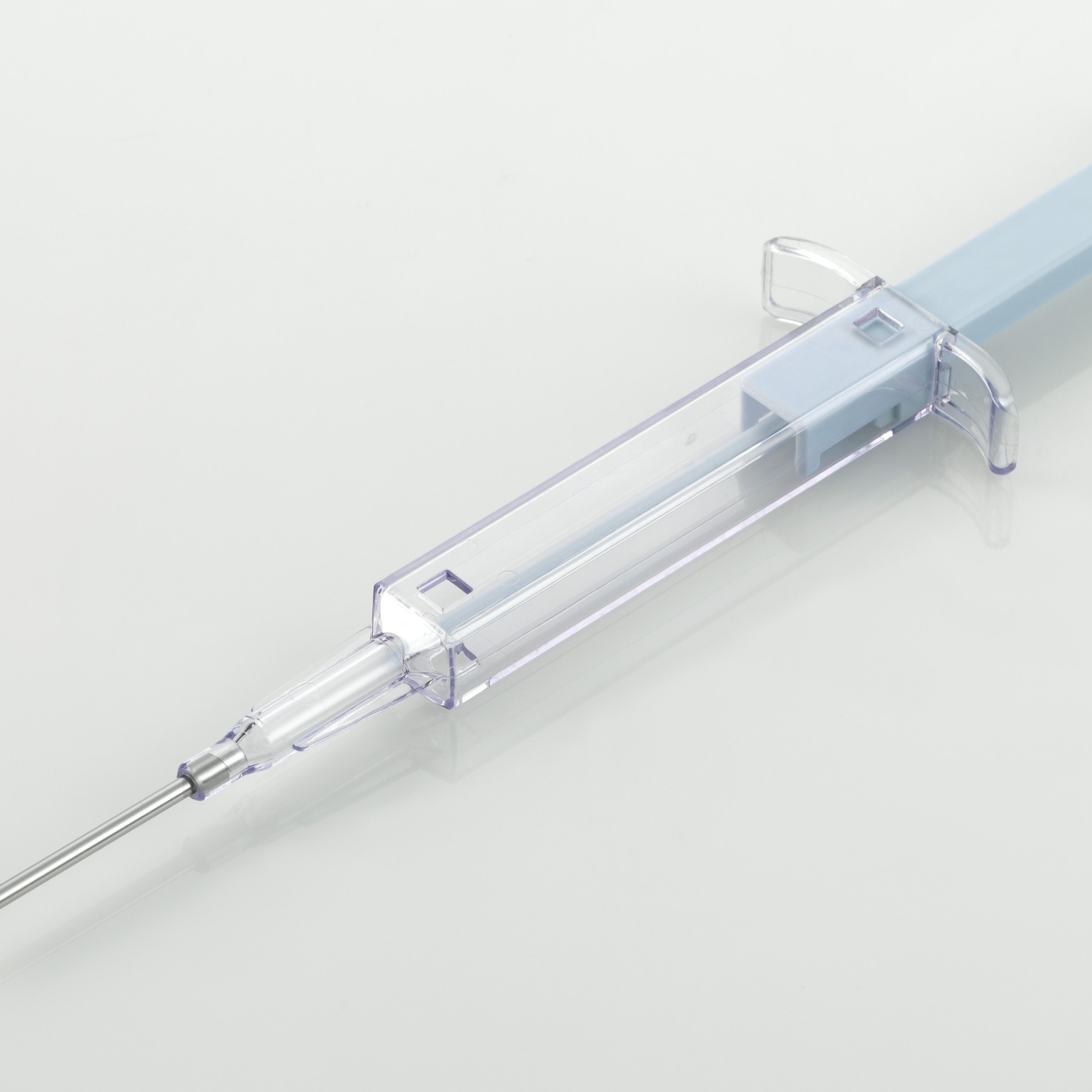
Evolved from Maggie, Magnitude is a cartridge-based autoinjector enabled by Needle Isolation Technology (NIT) for a more adaptable path into large-volume self-injection. Magnitude is designed to provide formulation adaptability, delivery flexibility, and an intuitive self-injection experience..jpg)
-
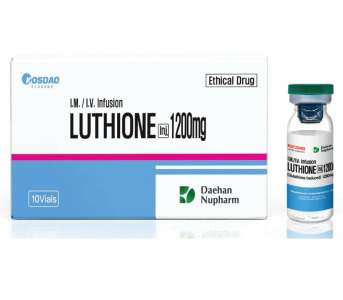
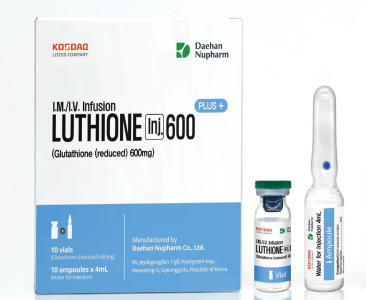
Product Luthione Injection 1200mg
Antioxidants(ATC Code: V03AB32)
API
Glutathione(reduced)1200mg
Indication
Prevention of neurological diseases by cisplatin or similar chemotherapy
-
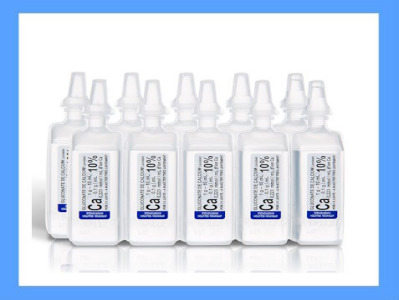
Product Calcium gluconate 10% ampoule
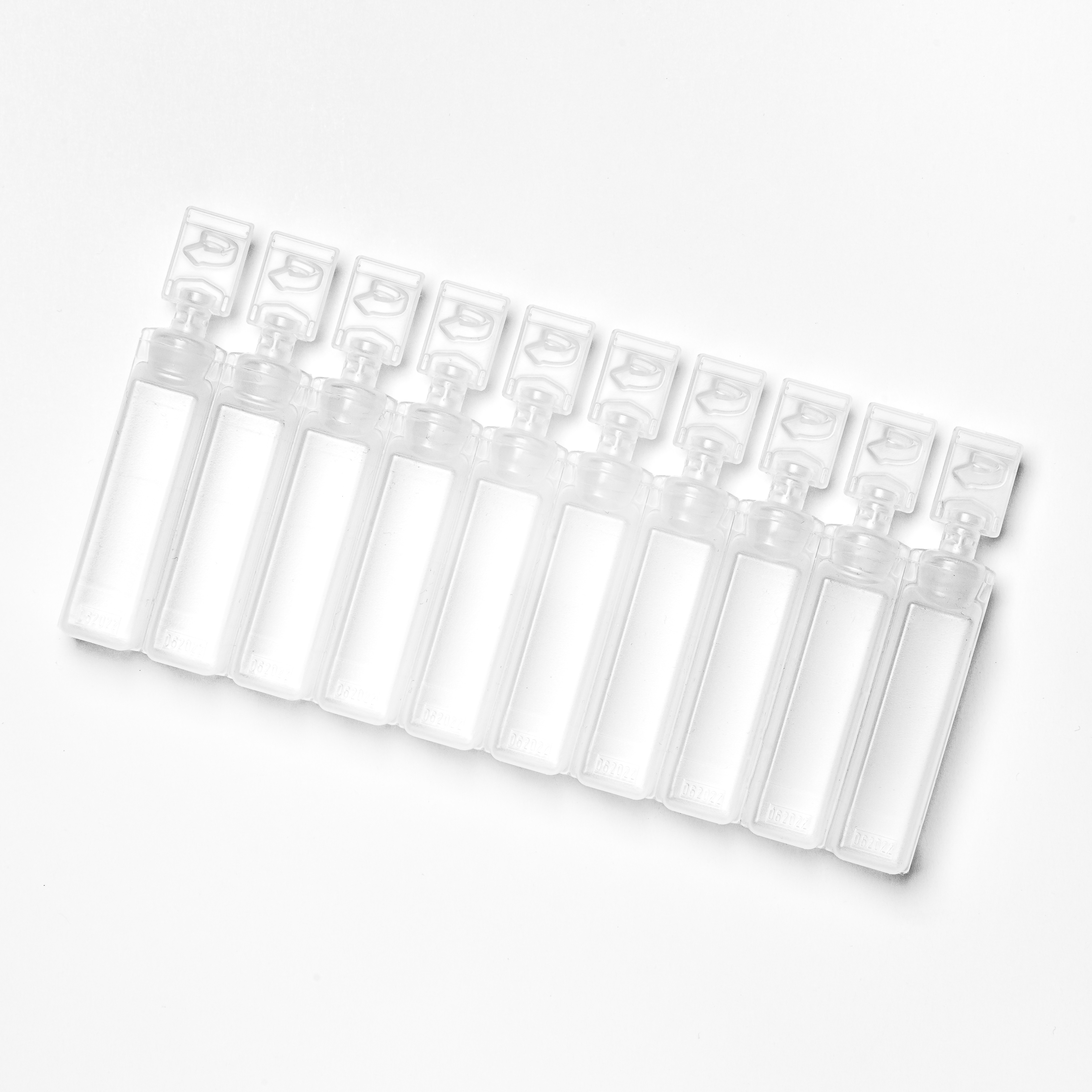
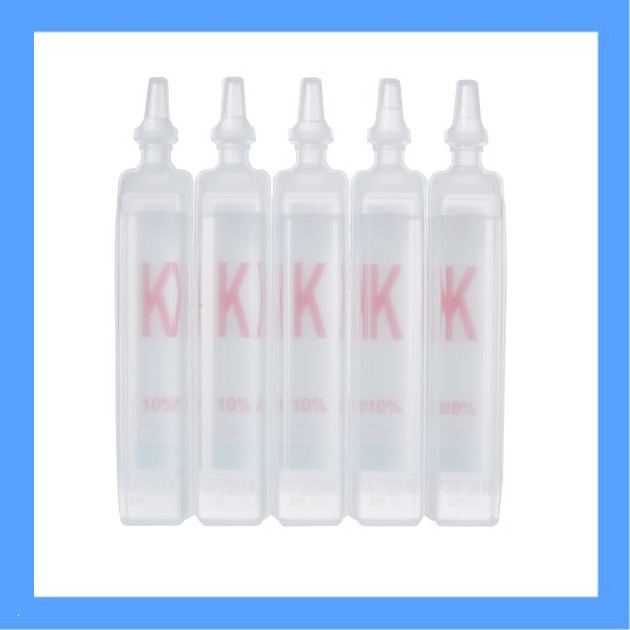
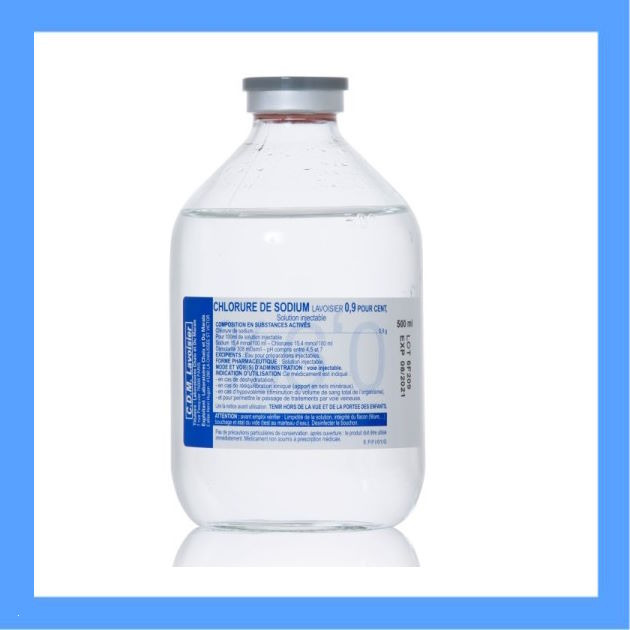
CDM Lavoisier is a provider of Calcium Gluconate 10% 10 mL plastic ampoules. The product is available in a blow fill seal (BFS) ampoule with a luer lock to allow direct syringe connection.
-
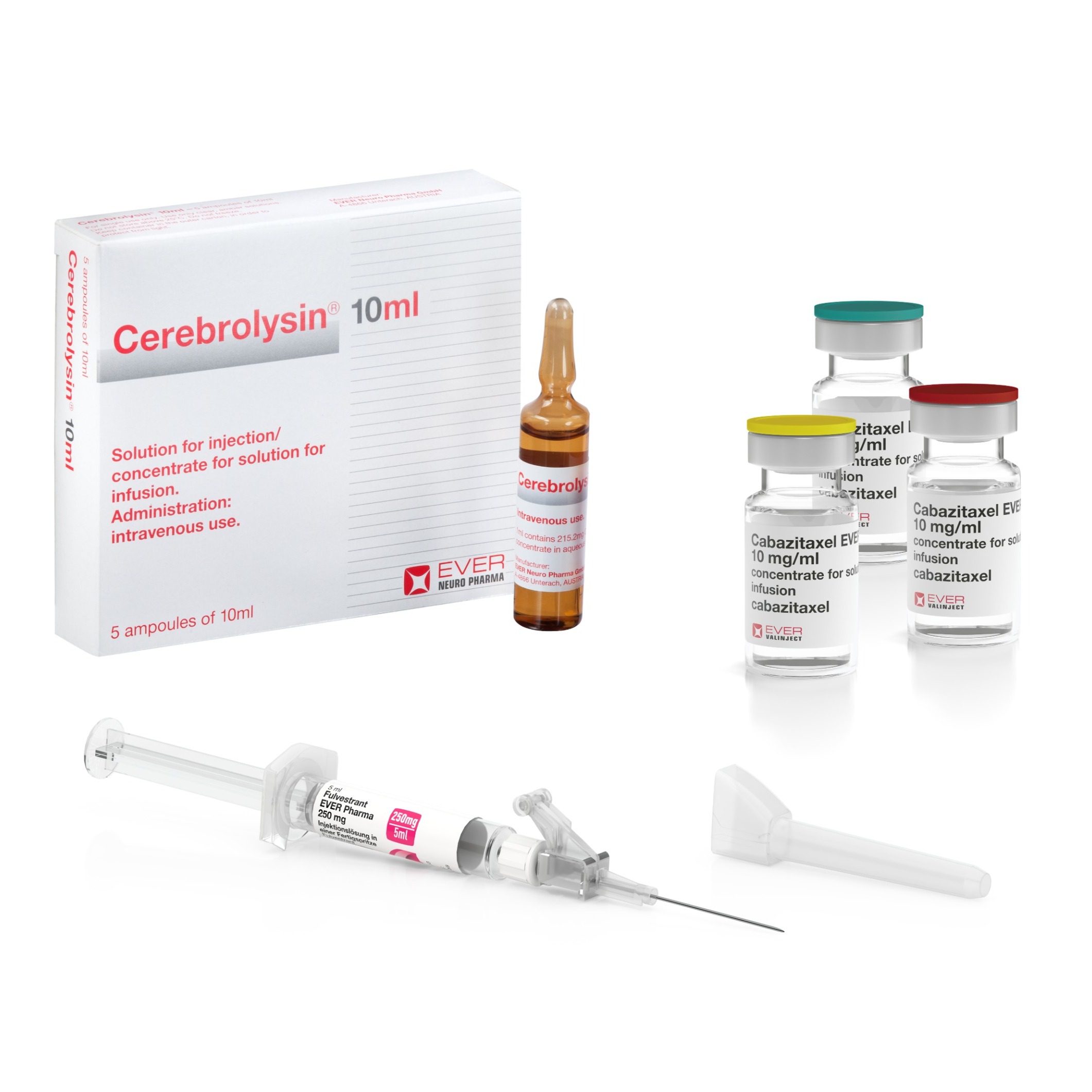
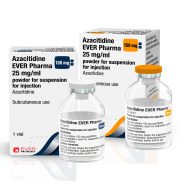
Product EVER Pharma: Product Portfolio - 2026
Our products include:
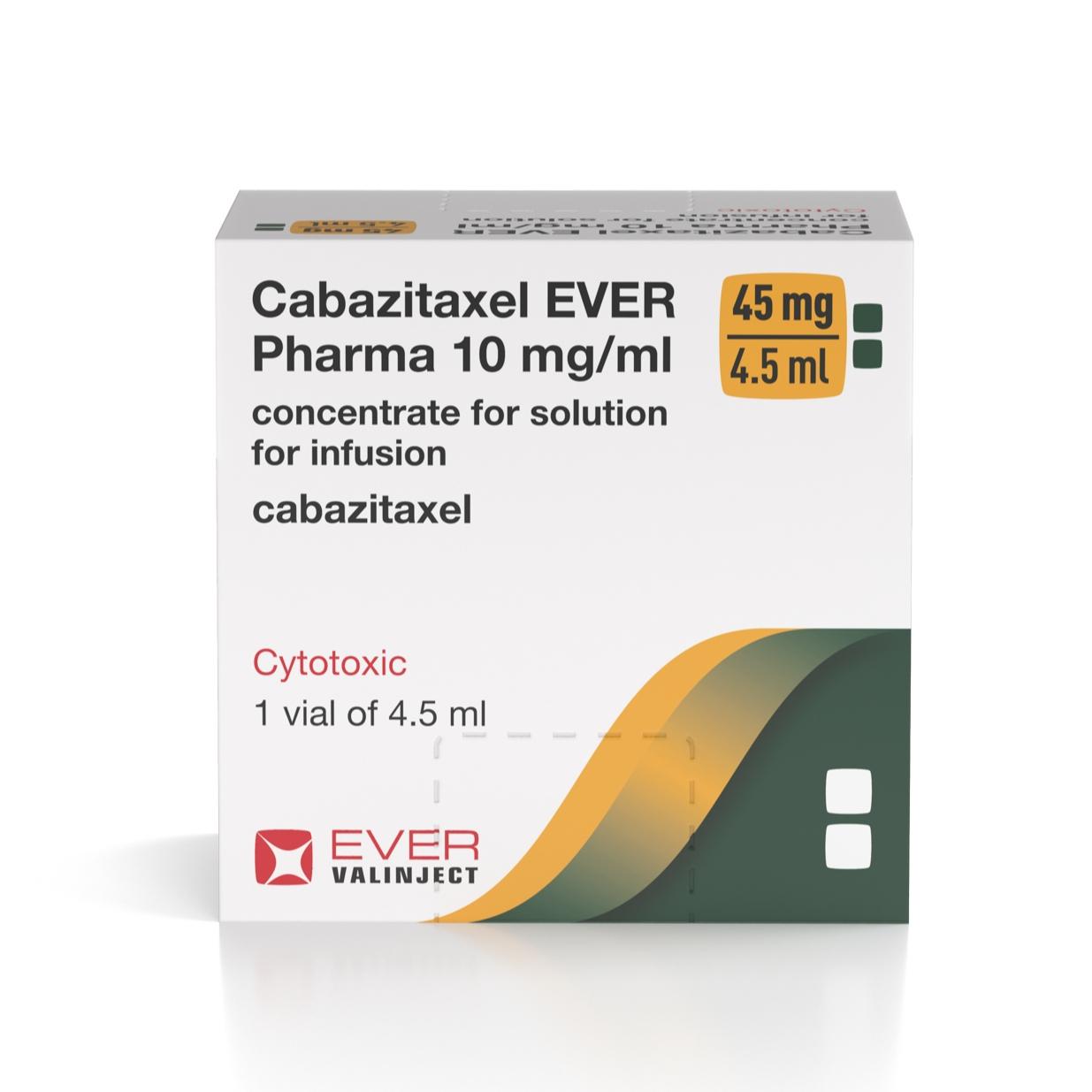
• Atosiban • Bortezomib • Cabazitaxel • Carbetocin • Cerebrolysin • Dacepton (Apomorphine) • Decitabine • Dexemedetomidine • Docetaxel • Eribulin • Fulvestrant • Oxytocin • Paclitaxel • Pemetrexed • Terlipressin • Testosterone Enantate • Testosterone ...
-
Product Biologic drug substance CDMO services
From early development, including mammalian cell line development, cell culture development, and process development, through to pre-clinical production and commercial supply, Patheon by Thermo Fisher Scientific provides CDMO services for protein-based biologic therapeutics. Patheon offers biotech and ...

-
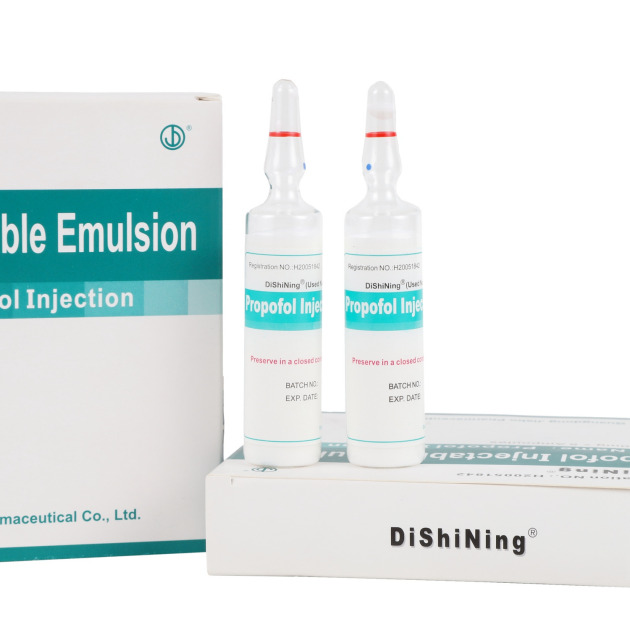
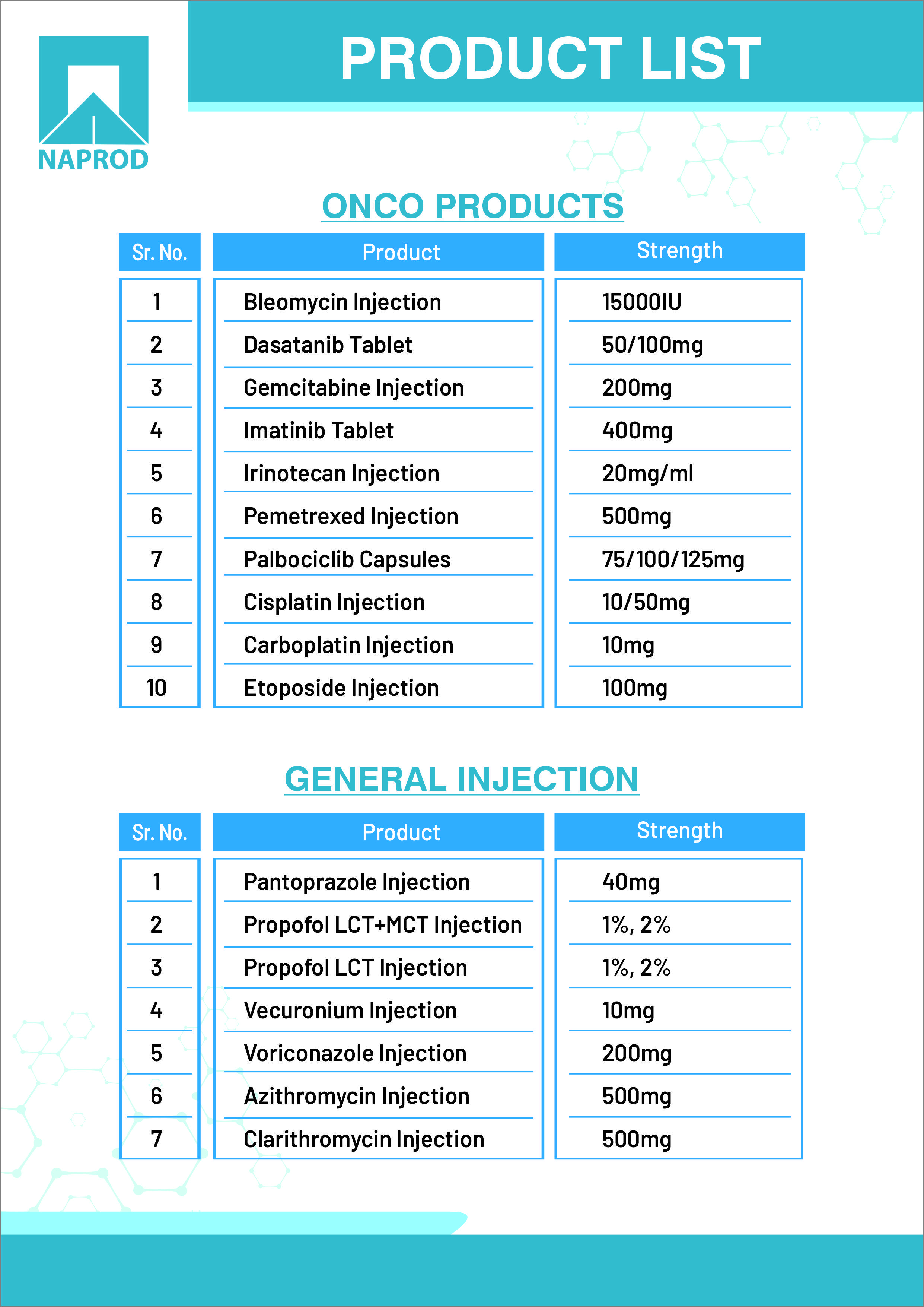
Product Propofol Injectable Emulsion 10ML,20ML
A short-acting, intravenous and general anesthetic, which can be used :
● The general anesthesia induction and maintenance of adults and children aged one month and older.
● The sedation during the surgical operation and diagnosis of adults
● The sedation during assisted ventilation treatmen...
-
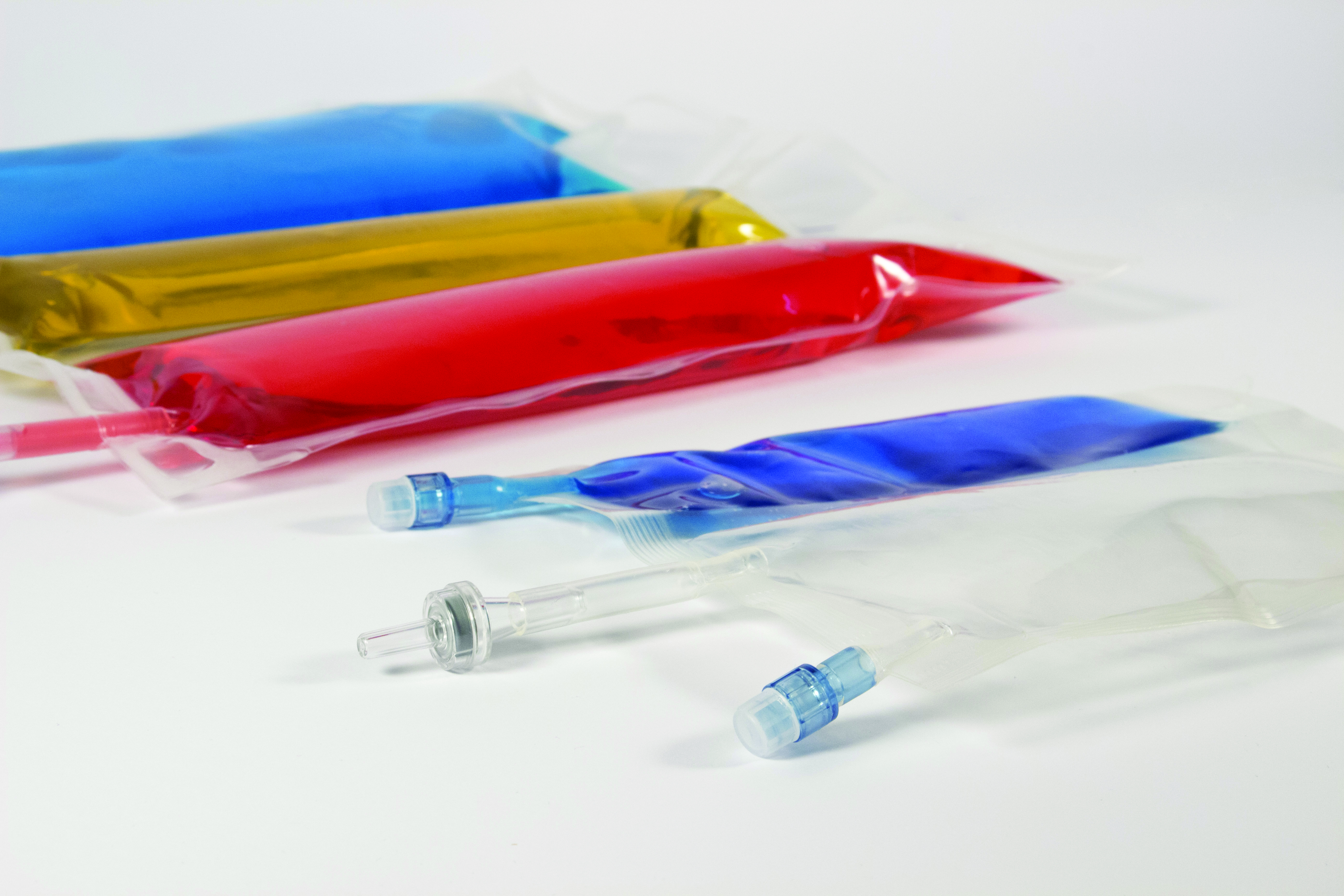
Product IV Pharma & Biotech
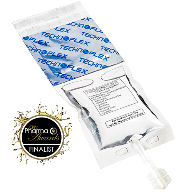
PVC/PVC-free, Single- and Multi-chamber, customised size, configuration, injection ports and connectors.
Haemopharm is qualified as a leader in the infusion sector, thanks to a very important competitive advantage, represented with the exclusive and proprietary machinery for manufacturing of...
-
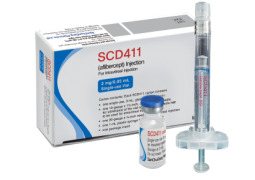
Product Eylea biosimilar vial & PFS
1.Completion of global clinical trials phase Ⅲ
2. Completion of pre-submission meetings with advanced regulatory authorities
3. Available in Vial and PFS
-
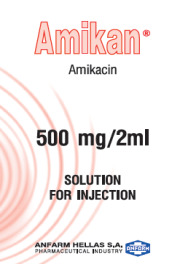
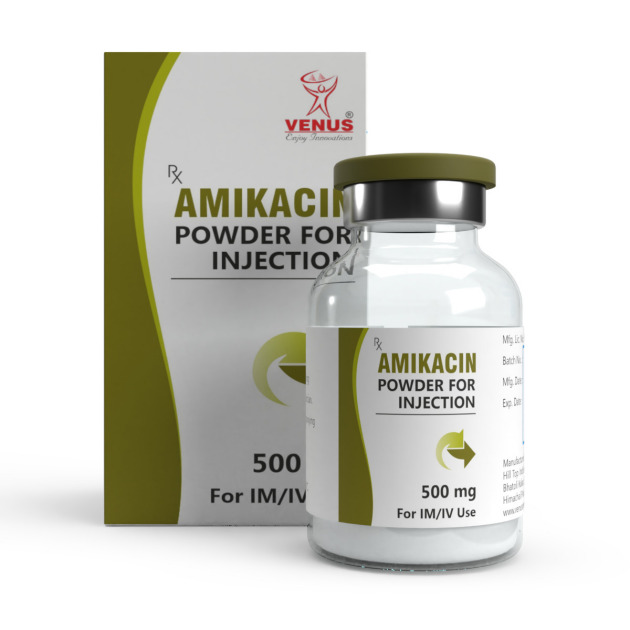
Product Amikacin Inj.Sol 500mg/2ml (EU CTD Available) & 1g/4ml (EU CTD Available: Q3 2021)
Amikacin Solution for Injection
Reference Product: Briklin® / BRISTOL-MYERS SQUIBB
Description: Amikacin sulfate is indicated in the short-term treatment of serious infections due to susceptible strains of Gram-negative bacteria, including Pseudomonas species,&nb...






































































































































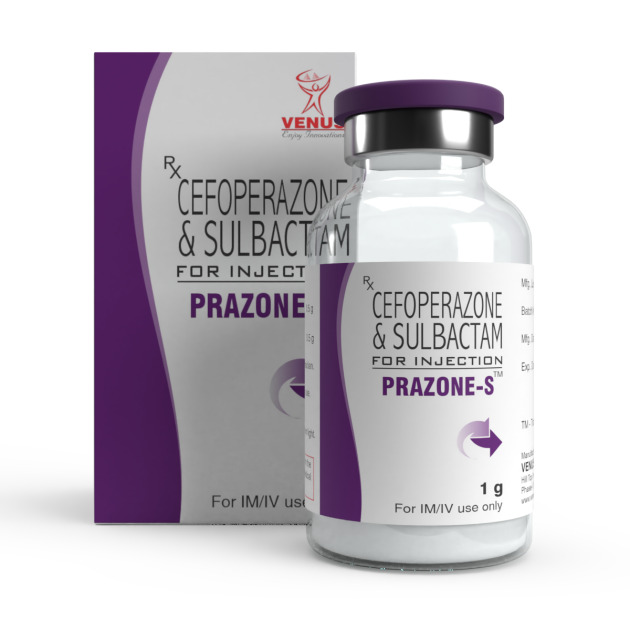



Upcoming Events
-

CPHI Milan 2026
Fiera Milano, Italy
6 Oct 2026 - 8 Oct 2026 -

Pharmapack Asia 2026
Marina Bay Sands | Singapore
3 Nov 2026 - 4 Nov 2026 -

CPHI India 2026
IICC, Yashobhoomi, Dwarka, Delhi
23 Nov 2026 - 25 Nov 2026
Pharmaceutical Industry Webinars
-

Webinar Fast and Furious eBR Implementation: How Agentic AI Compresses the Path from Paper to Production
-
October 28, 2026
-
9am GMT/ 4pm SGT
-
-
.png)
Webinar The Continuum of Automation in Mechanical Testing of Combination Products
-
12th November 2026
-
3pm GMT/ 4pm CET
-

%20(1).png)
%20(1).png)
.png)
%20(1).png)
.png)
%20(1).png)



.png)


.png)