
A Day in the Life of a Quality Head at Beiersdorf Manufacturing
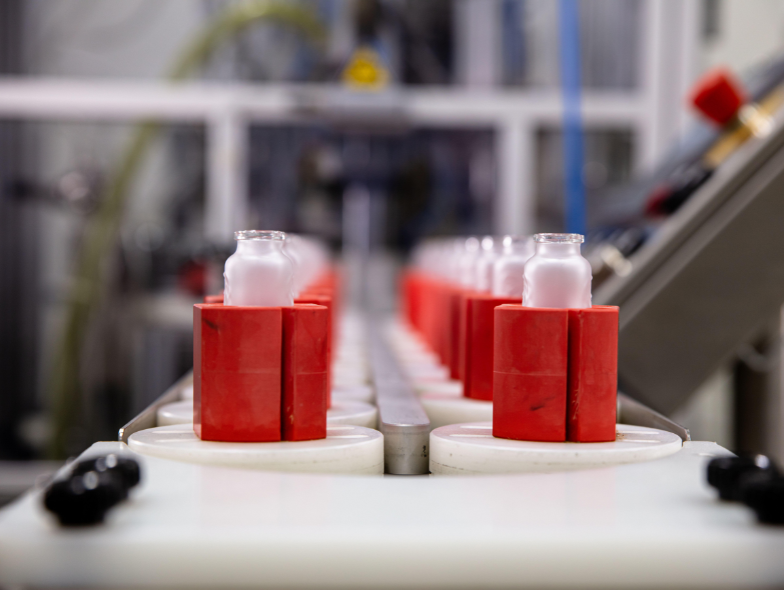
Our latest interview in the Day in the Life of Series showcases just how important personal connections are, whether it's at work or at home, and how that is especially true when working in such a human-centric field.
This month, we speak to Albert Codony, Quality Head at Beiersdorf Manufacturing Argentona, Spain.
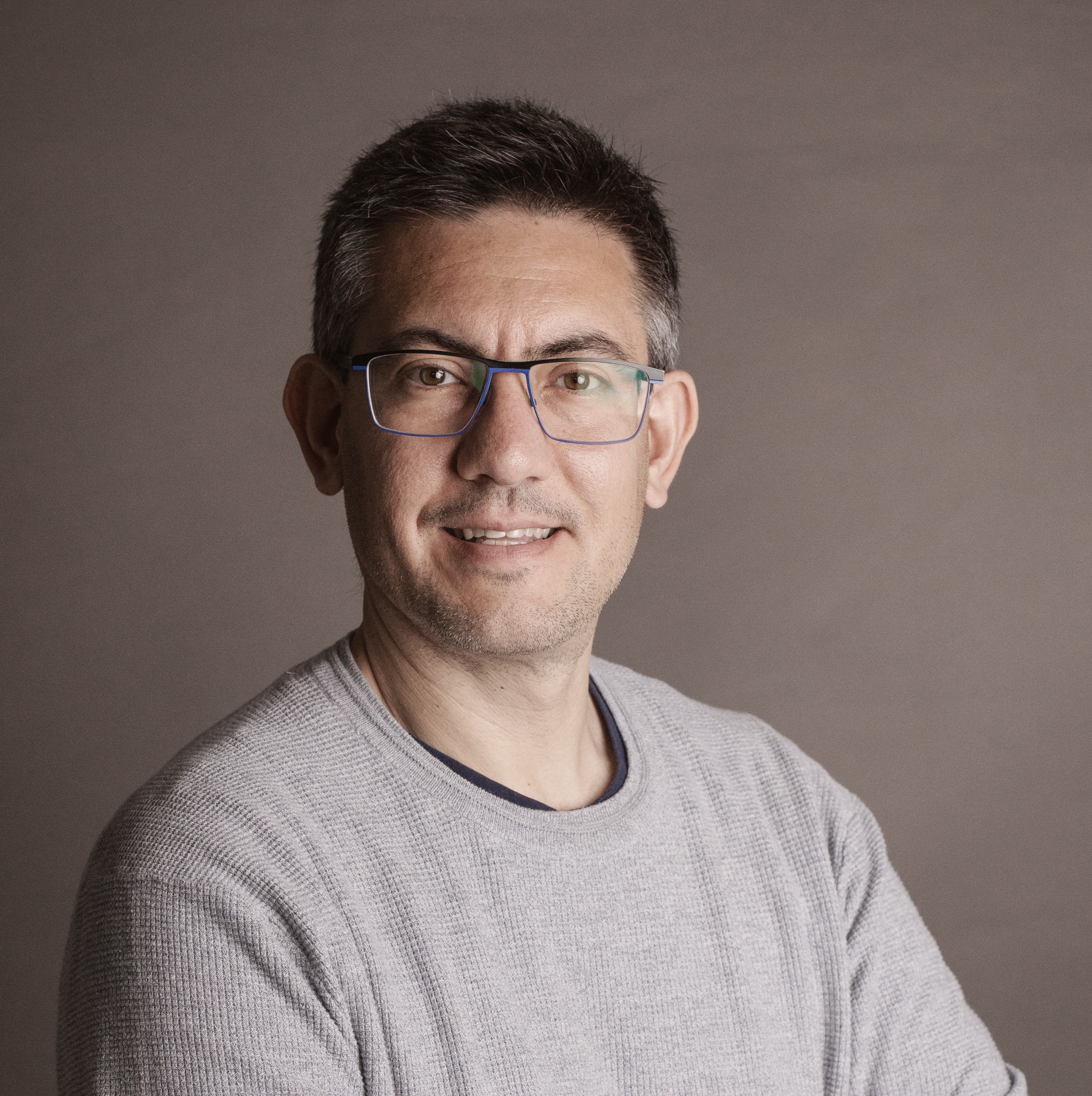 Albert is an experienced leader in the pharmaceutical and medical device industries with a PhD in Chemistry and a Postgraduate degree in Business Administration. Over the years, he has held key roles at Sandoz/Novartis, including R&D Manager, Manufacturing Science & Technology Head, Production Head, and Quality Head in two manufacturing sites in Spain, before taking on the current role as Quality Head at Beiersdorf Manufacturing Argentona, Spain.
Albert is passionate about coaching, talent development and leadership, with a strong focus on quality, process optimisation and continuous improvement.
Albert added: I am happily married to my wonderful wife, Lídia, and a proud father to my 5-year-old son, Liam, who brings joy to our lives and constantly teaches us valuable lessons in what is the most challenging yet rewarding job – being parents. Outside of work, I enjoy traveling with family and friends, playing padel tennis, and following FC Barcelona together with my son.
Please could you outline your background and the career path that has led you to your current position?
I have a strong background in quality, production and R&D, with over 23 years of experience in the pharmaceutical and medical device industries. My career started with a PhD in Chemistry, followed by a postgraduate degree in Business Administration, which provided me with both technical expertise and a strategic mindset.
I began my professional journey at Novartis in R&D, where I developed new chemical processes and developed hands-on experience in organic and analytical chemistry and quality compliance. Over the years, I progressed through roles of increasing responsibility, moving into Lifecycle Management, Manufacturing Science and Technology (MS&T), and eventually leading the MS&T department. In this role, I focused on process optimisation, validation and ensuring the robustness of production operations for both oral and sterile APIs.
My leadership experience expanded further when I transitioned into quality management, first taking on the role of Site Quality Head at Sandoz/Novartis, where I managed a large quality team, ensuring GMP compliance and driving continuous improvement initiatives. More recently, I was appointed as Site Quality Head at Beiersdorf Manufacturing Argentona, where I oversee quality operations for medical devices, ensuring compliance with ISO 13485 standards and regulatory requirements.
Throughout my career, I have continuously developed my leadership skills through various management programmes, including Novartis' and Beiersdorf's leadership initiatives and programmes. I am passionate about talent development, strategic challenges and fostering a culture of quality and operational excellence.
This journey has equipped me with a well-rounded perspective on quality, manufacturing and regulatory compliance, allowing me to effectively lead teams, navigate complex challenges, and contribute to organisational success.
What would be the perfect start to your day?
For me, the perfect start to the day has two sides – one personal and one professional.
On a personal level, nothing beats the moment when my 5-year-old son comes to wake me up while I’m still sleeping. There’s something incredibly tender and heartwarming about that – his little voice, the way he climbs into bed with me, and the pure joy in his eyes. It’s a small but precious moment that sets a positive tone for the day.
At work, the best way to start the day is when I arrive knowing that the team and I are about to face an important event or challenge that we have been preparing for over a long time. Whether it’s an inspection, a major project milestone or a critical launch, there’s a unique energy in the air – an adrenaline rush combined with the satisfaction of seeing all the hard work come together. I thrive on that kind of moment because it showcases teamwork, dedication and the payoff of our collective effort.
So, whether it's a small but meaningful personal moment or a high-energy professional one, my perfect morning is about connection – either with my family or with my team.
What do you most like about your role?
What I enjoy most about my role is the opportunity to work with people and help them grow. I have a people-oriented leadership style, so I find great fulfillment in talent development, team building, coaching and mentoring. Seeing my team evolve, develop new skills, and take on bigger challenges is one of the most rewarding aspects of my job.
Beyond that, I also enjoy the strategic side of my role – being part of key decision-making discussions, connecting the dots between different areas, and shaping the long-term vision of the organisation. I thrive in strategic meetings where we analyse challenges, align priorities and find innovative ways to move forward.
Finally, my early years in R&D and process optimisation instilled in me a deep passion for learning and continuous improvement. I love digging into complex problems, understanding processes at a deeper level and driving innovation to make things better. That curiosity and drive for improvement still fuel my work today, whether it’s optimising workflows, improving quality systems or helping my team grow.
What are the biggest challenges you face? What issues affect your role?
Throughout my career, I’ve faced different challenges depending on the nature of the business, but they have all shaped my ability to lead with agility and strategic thinking.
During my years at Sandoz/Novartis, one of the biggest challenges was operating in a high-volume manufacturing environment running 24/7. With such a fast-paced production schedule, issues had to be resolved with a strong sense of urgency to prevent major business impacts – whether in terms of lost productivity or large-scale quality deviations. Quick decision-making, problem-solving, and collaboration across teams were essential to maintaining operational efficiency and compliance.
At Beiersdorf, the primary challenge is different but equally demanding – it’s the stringent microbiology requirements for the medical devices we manufacture, such as plasters. Given that these products are applied directly to wounds, the microbiological standards are very high. Ensuring compliance while maintaining efficient production processes requires a deep understanding of microbiological risks, rigorous quality controls and close collaboration with manufacturing, technical and regulatory functions.
That said, in my opinion, the biggest challenge for any Quality Leader – regardless of the company or industry– is finding the right balance for ensuring patient safety and compliance to regulated standards as well as effectively supporting the business. These two aspects are often seen as conflicting, but a great Quality Leader must have the ability to align them. Compliance and business success should not be at odds; instead, they should complement each other through smart quality strategies, risk-based decision-making and strong cross-functional collaboration.
What would you consider your biggest achievement to date, what are you most proud of?
For me, the biggest achievements are not just about individual successes but about the value I bring to the team and the organisation. I feel truly satisfied when I know that my contributions have made a key impact – whether it’s solving a critical challenge, improving processes, or helping the company achieve its strategic objectives. Seeing the results of collective effort and knowing that I played a role in making that happen is always rewarding.
However, what I am most proud of is the people I have mentored, coached, or worked alongside who have since grown into leadership roles. Over the years, more than 10 individuals from my teams or those I have mentored have advanced into leadership positions in different organisations. Knowing that I had the opportunity to contribute – even in a small way – to their development and career growth is incredibly fulfilling. Helping people unlock their potential, gain confidence, and take on new challenges is something that truly motivates me, and it’s what I consider my most meaningful achievement.
What advice would you give to other people aspiring to your position or getting into this field?
The main advice I would give to anyone aspiring to a leadership role in Quality, or entering this field, is to first gain experience in other areas of the organisation. I am a strong advocate for cross-functional career movements, as they provide a broader understanding of the business and significantly enhance leadership capabilities.
In particular, for Quality – and especially Quality Assurance – this experience is invaluable. Quality Assurance is a fundamental function that revolves around risk management and risk assessment, requiring a deep, transversal knowledge of products and processes. These skills can be significantly strengthened by working in areas like production, R&D or development before stepping into a quality leadership role.
By gaining hands-on experience in these areas, aspiring Quality Leaders will develop a much better understanding of product lifecycle management, manufacturing challenges and business needs. This, in turn, will allow them to make more informed decisions, improve risk assessment capabilities, and bridge the gap between compliance and operational efficiency. A well-rounded perspective is key to becoming a truly effective Quality Leader.
What would you like to see from the industry to better support diverse people in STEM?
One of the most powerful tools that can drive change in STEM is Artificial Intelligence. AI has the potential to break down barriers in access to knowledge, identifying biases, and providing personalised learning and development opportunities. It can help level the playing field by offering data-driven insights, automating repetitive tasks and enabling individuals from diverse backgrounds to focus on higher-value, creative and strategic work. When used correctly, AI can help organisations create more inclusive hiring processes, improve mentorship programmes, and foster a culture where different perspectives are valued.
That said, while AI can be a game-changer in STEM fields, we need to adopt it with a smart and balanced approach. It should be used to enhance human decision-making, not replace it. The key is to integrate AI in a way that supports people-oriented organisations – where technology is leveraged to drive efficiency, innovation and problem-solving, but without losing the human element. STEM industries should focus on using AI as a tool to empower diverse talent, foster collaboration, and ensure that people – not just algorithms – remain at the center of decision-making. Only by finding this balance can we truly create an inclusive and forward-thinking STEM environment.
Who do you look up to in the industry? Who inspires you?
I feel incredibly grateful to have worked with so many talented colleagues and leaders throughout my career at Sandoz/Novartis and now at Beiersdorf. I have learned a great deal from them – sometimes even more from those with whom I had disagreements. Over the years, I’ve realised that challenging perspectives often bring the most growth. In fact, some of my biggest lessons came from those situations, shaping my ability to see different viewpoints, adapt and refine my leadership approach. I am also proud to have built strong, lasting friendships with some of these colleagues, which speaks to the deep respect and connection that comes from working together through challenges.
If I had to highlight those who have inspired me the most, I would mention José Diago and Joan Cabré, who had a profound impact on me early in my career. They taught me the importance of leadership based on authenticity, empathy, respect and truly caring for people, as well as the values of commitment and resilience. Their leadership philosophy shaped my own approach to guiding teams and developing talent.
Looking at the more recent part of my career, Patrick O'Sullivan influenced me during my last years at Sandoz/Novartis with his integrity and transparency, especially in difficult moments – qualities that I deeply admire in a leader. At Beiersdorf, Aldo Caceres in his role as Quality VP has been an inspiring figure, driving the Quality organisation forward with passion and positivity, which have had a significant impact on the Quality organisation and the company culture.
Ultimately, I have been fortunate to learn from and be inspired by many exceptional individuals, and their influence continues to shape who I am today.
Is living sustainably important to you and how do you incorporate being environmentally friendly into your day?
Living sustainably is not just important – it needs to be a key driver for all of humanity. The massive scientific evidence of climate change and the growing sustainability challenges makes it clear that we must take bold decisions and adopt a sustainability mindset in every aspect of our lives. It is no longer just an option; it is a responsibility we all share.
For me, this means incorporating sustainability both in small, everyday actions and in broader initiatives. On a personal level, I make conscious efforts to recycle at home, reduce waste and minimise unnecessary consumption. But beyond individual actions, I believe it is equally important to support and advocate for larger sustainability initiatives –whether by participating in environmental programmes, supporting companies that prioritise sustainability, or holding our political leaders accountable to drive real change.
At the same time, industries play a fundamental role in sustainability. It is essential that sustainability is not just a topic of discussion but a key part of their agenda. As individuals, we also have a responsibility to promote and push for sustainable initiatives within our organisations, ensuring that businesses prioritise environmental responsibility. Whether through innovative solutions, reducing industrial waste, or making greener choices in production, industries must take an active role in driving sustainability forward. It is a collective effort, and we all have a part to play in shaping a greener future.
Related News
-

News Swiss pharma industry warns US tariffs could harm global patient care
The Swiss pharmaceutical sector has raised alarms over new US tariffs on medicines, warning of disrupted supply chains, increased costs, and delayed innovation, all of which could jeopardise patient access to essential treatments worldwide.
-
News Women in Pharma: Bridging Science, Strategy, and Equity in Chemicals and Pharma
Our monthly Women in Pharma series highlights the influential lives and work of impactful women working across the pharmaceutical industry, and how the industry can work towards making the healthcare industry and workplace more equitable and inclusive. -
News CPHI Podcast Series: Pharmapack special – Delivering innovation for patient outcomes
This special Pharmapack episode of our podcast, recorded live at Pharmapack 2026, interviews Terence O’Hagan, Vice President of Business Development for Drug Delivery Systems at Stevanato Group, sharing exclusive insights into the company’s... -
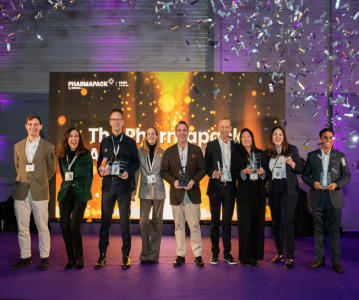
News Where Pharma Innovation Takes the Spotlight: Pharmapack Awards 2026
The 2026 Pharmapack Awards, held January 21, 2026, celebrated and recognised leading companies in the pharmaceutical packaging sector paving the way for packaging and drug delivery excellence in the future.
-
News Pharmapack 2026 - From the Floor
Celebrating its 25th anniversary in the city where it all started, Pharmapack 2026 is back in Paris! From January 21-22, 2026, Paris Expo Porte de Versailles opens its doors again to the pharmaceutical packaging and drug delivery sectors, ready for 2 d... -

News Driving Sustainability with Citeo PRO: An Exclusive Interview
Citeo PRO is transforming professional packaging with innovative solutions, collective action, and a dedication to sustainability within the pharmaceutical sector. Discover how they are supporting companies at Pharmapack 2026 in this interview with Dom... -
News Pharmapack's Silver Jubilee: Celebrating 25 Years of Packaging Innovation
For 25 years, Pharmapack has been at the forefront of innovation, collaboration, and progress in the pharmaceutical packaging and drug delivery industry. From its humble beginnings to becoming a global hub for industry leaders, the event has witnessed ... -
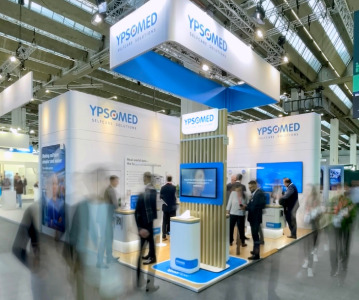
News Shaping the future of self-injection: Ypsomed's innovations at Pharmapack's 25th anniversary
Pharmapack 2026 marks a significant milestone as it celebrates its 25th anniversary, bringing together global leaders in pharmaceutical packaging and drug delivery. In this exclusive interview, Ypsomed, a pioneering developer and manufacturer of subcut...