
Key takeaways from Saudi Arabia's National Biotechnology Strategy

In January 2024, Saudi Arabia released its National Biotech Strategy, an ambitious plan to localise biomanufacturing, incentivise R&D and establish the Kingdom as the regional biotech leader by 2030, and an internationally recognised hub by 2040.
The strategy is connected to several pillars of Vision 2030, a strategic roadmap launched by the Kingdom of Saudi Arabia (KSA) in April 2016 to diversify the country's economy, reduce dependence on oil, and develop public service sectors – with a particular emphasis on life sciences, and the wellbeing of its citizens.
What is the national biotechnology strategy of Saudi Arabia, and what does it hope to achieve? Here are five key takeaways:
1. Realising Vision 2030 goals
The National Biotechnology Strategy is closely aligned with Saudi Arabia's Vision 2030, contributing directly to 11 strategic objectives and indirectly impacting 26 others. The strategy will play a pivotal role in achieving national development targets, including enhancing healthcare access, promoting environmental sustainability, boosting international investment and new economic opportunities.
2. Economic diversification
By prioritising biotechnology, Saudi Arabia aims to diversify its economy and reduce reliance on oil revenue. The strategy sets ambitious targets to contribute over US$34.6 billion to the non-oil GDP by 2040. This focus on economic growth positions the biotech sector as a cornerstone of Saudi Arabia's future prosperity.
3. Healthcare innovation
The strategy highlights the transformative potential of biotechnology in improving healthcare outcomes for KSA citizens. Through initiatives such as genomics research, vaccine development, and biosimilar production, the Kingdom seeks to reduce reliance on imported drugs, and increase access to innovation therapies, ultimately extending average life expectancy by five years by 2040. The strategy will also be an important driver in talent development for the region, creating 11,000 high-quality, innovative job opportunities by 2030, and 55,000 by 2040.
4. Biotech leadership
Saudi Arabia aims to establish itself as a leading hub for biotechnology in the MENA region by 2030 and a global player by 2040. The strategy emphasises collaboration with international partners to drive scientific advancements and foster multinational cooperation in research and development. This collaborative approach positions the KSA as a key player in shaping the future of biotechnology on a global scale.
5. A localised industry
The National Biotechnology Strategy represents a concerted effort by government bodies to structure and develop the domestic biotech industry. By providing essential enablers such as sustainable talent development, cutting-edge infrastructure, regulatory excellence, strategic funding, and a conducive geographical model, the strategy lays the foundation for the sector's growth and success. International pharma will play a key, collaborative role in helping to realise these ambitions, through tech-transfer, talent, and shared expertise.
The KSA accounts for 60% of the pharma market in the Gulf, making it well-placed as the home of a brand-new event for the region – CPHI Middle East.
Set to be the region’s most comprehensive pharma gathering, the exhibition will bring together regional drug manufacturers and global suppliers of raw materials, machinery, packaging solutions, contract services, biopharma, and finished dosage.
Beyond partnering and networking opportunities, CPHI Middle East will offer an extensive content programme, including a dedicated Biologics track, offering attendees the chance to hear from industry thought leaders, to build expertise, and to understand the wealth of future opportunities.
CPHI is coming to Saudi Arabia – a place at the forefront of innovation in pharma, where you can make endless connections. See more about the region's largest gathering of pharmaceutical experts here.
CPHI Middle East will bring together regional drug manufacturers with global suppliers of raw materials, machinery, packaging solutions, contract services, biopharma, and finished dosage. Download the exhibitor brochure here.
Related News
-

News Swiss pharma industry warns US tariffs could harm global patient care
The Swiss pharmaceutical sector has raised alarms over new US tariffs on medicines, warning of disrupted supply chains, increased costs, and delayed innovation, all of which could jeopardise patient access to essential treatments worldwide.
-

News Women in Pharma: CPHI India – India’s Pharmaceutical Industry and Gender Inclusion Challenges
India’s pharmaceutical industry has emerged as a significant player in the global market, valued at USD 50 billion in FY 2023-2024, according to Frost & Sullivan’s analysis. This sector encompasses a diverse portfolio, including drugs, vacc... -
News Biogen acquires Apellis Pharmaceuticals to boost immunology and rare disease profile
Biogen Inc. has announced its acquisition of Apellis Pharmaceuticals, Inc., a move that is set to significantly enhance its growth portfolio in immunology and rare diseases. The agreement, valued at approximately US$5.6 billion, will see Biogen purchas... -

News Gilead Sciences acquires Ouro Medicines for over US$2 billion
Gilead Sciences confirms a deal to take over Ouro Medicines, adding to a portfolio of therapies for autoimmune diseases.
-
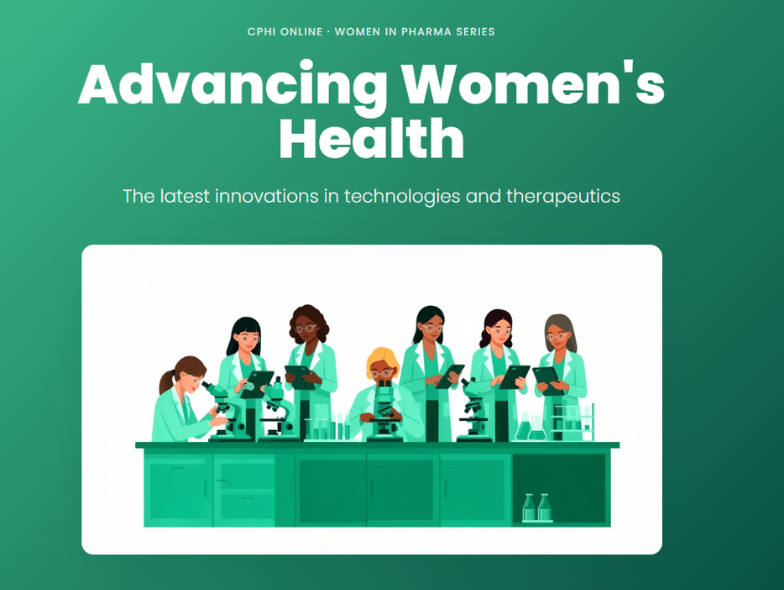
News Women in Pharma: Advancing Women's Health
Discover the latest innovations in technologies and therapeutics that are revolutionising women's health in our latest CPHI Online Women in Pharma infographic.
-

News CPHI Pharma Awards 2026: Recognising Excellence in an Evolving Industry
Submissions now open — deadline May 16
-

News Dr Reddy's to launch generic semaglutide in India
Dr Reddy’s Laboratories, one of India’s leading pharmaceutical companies, is preparing to launch a generic version of semaglutide, branded as Obeda, in March. Obeda is expected to provide a more affordable alternative to Ozempic a... -
News Frontier Biotech and GSK Forge RNA Therapy Partnership
Frontier Biotechnologies and GSK have entered a global licensing agreement to advance small interfering RNA (siRNA) therapeutics. This collaboration grants GSK exclusive rights to develop and commercialise two promising siRNA candidates, marking a mile...