
mRNA therapy for ovarian cancer and muscle wasting
.png)
Researchers demonstrate results of a promising mRNA therapy for ovarian cancer and muscle wasting caused by cachexia, a condition associated with various types of cancers and chronic diseases.
Oregon State University and Oregon Health & Science University researchers have come together to develop a first-of-its-kind mRNA therapy for ovarian cancer and a muscle-wasting condition associated with cancer known as cachexia.
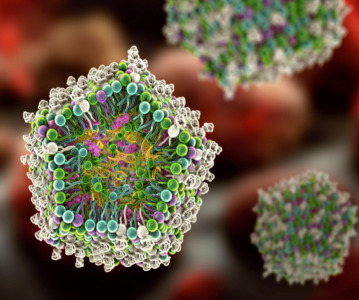
The mRNA treatment is based on similar principles utilised in the SARS-CoV-2 mRNA vaccines developed by Moderna and Pfizer/BioNTech. The mRNA in the therapeutic carries specific instructions to cells regarding the manufacturing of proteins. The mRNA are delivered via lipid nanoparticles (LNPs), triggering the production of follistatin protein in cancer clusters. Administered via injection into the peritoneal cavity containing the abdominal organs, the follastatin produced will work against the protein activin A. Activin A has previously been linked to aggressive ovarian cancer and associated cachexia.
OSU College of Pharmacy professor Oleh Taratula commented: “By changing the characteristics of the cancer cells, mRNA treatment can lead to a range of positive effects... It prevents the build-up of ascites – abdominal fluid containing cancer cells. It also delays disease progression and induces the formation of small, solid tumours that don’t adhere to organs and thus can be more easily removed, and it combats cachexia by helping to preserve muscle mass.”
Ovarian cancer currently boasts a 5-year survival rate of 30%, making it one of the more deadly forms of cancer. Cachexia associated with ovarian cancer may also present itself with stomach, lung, and pancreatic cancer, as well as other chronic illnesses such as multiple sclerosis, renal failure, cystic fibrosis, Crohn’s disease, rheumatoid arthritis, and AIDS. The syndrome kills as many as 30% of cancer patients it afflicts. Combined with malnutrition, cachexia may also inflict a state of nutritional bankruptcy and chronic wasting on patients.
The study demonstrated that the mRNA therapy worked in combination with cisplatin, the current gold standard of chemotherapy treatment for ovarian cancer. Mouse models receiving both therapies lived longer and presented with less muscle atrophy than those receiving just one of the two therapies. Daniel Marks of OHSU stated: “Chemotherapy remains the frontline treatment for metastatic disease but it comes at a high cost – loss of muscle mass, depletion of fat stores, fatigue, and systemic inflammation... There is a clear need to find new therapies and drug combinations that improve the efficacy and tolerabilitiy of chemotherapy and we think we’ve taken a big step in that direction.”
Related News
-

News Swiss pharma industry warns US tariffs could harm global patient care
The Swiss pharmaceutical sector has raised alarms over new US tariffs on medicines, warning of disrupted supply chains, increased costs, and delayed innovation, all of which could jeopardise patient access to essential treatments worldwide.
-

News Women in Pharma: CPHI India – India’s Pharmaceutical Industry and Gender Inclusion Challenges
India’s pharmaceutical industry has emerged as a significant player in the global market, valued at USD 50 billion in FY 2023-2024, according to Frost & Sullivan’s analysis. This sector encompasses a diverse portfolio, including drugs, vacc... -

News Biogen acquires Apellis Pharmaceuticals to boost immunology and rare disease profile
Biogen Inc. has announced its acquisition of Apellis Pharmaceuticals, Inc., a move that is set to significantly enhance its growth portfolio in immunology and rare diseases. The agreement, valued at approximately US$5.6 billion, will see Biogen purchas... -

News Gilead Sciences acquires Ouro Medicines for over US$2 billion
Gilead Sciences confirms a deal to take over Ouro Medicines, adding to a portfolio of therapies for autoimmune diseases.
-

News Women in Pharma: Advancing Women's Health
Discover the latest innovations in technologies and therapeutics that are revolutionising women's health in our latest CPHI Online Women in Pharma infographic.
-

News CPHI Pharma Awards 2026: Recognising Excellence in an Evolving Industry
Submissions now open — deadline May 16
-

News Dr Reddy's to launch generic semaglutide in India
Dr Reddy’s Laboratories, one of India’s leading pharmaceutical companies, is preparing to launch a generic version of semaglutide, branded as Obeda, in March. Obeda is expected to provide a more affordable alternative to Ozempic a... -
News Frontier Biotech and GSK Forge RNA Therapy Partnership
Frontier Biotechnologies and GSK have entered a global licensing agreement to advance small interfering RNA (siRNA) therapeutics. This collaboration grants GSK exclusive rights to develop and commercialise two promising siRNA candidates, marking a mile...