
Niche start-ups spearheading cell and gene therapy innovation

Smaller companies targeting rare and extremely specific treatment areas are leading the charge in this emerging market.
Niche start-ups are driving innovation in the cell and gene therapy sector, according to a recent market report.
Cell and gene therapies are considered some of the most lucrative opportunity areas for biopharmaceutical developers due to the broad range of genetic diseases and significant unmet need for curative interventions.
Medical science has traced thousands of clinical conditions to a genetic cause, while cancer, which is considered among the leading causes of death worldwide, also has genetic origins.
The report, ‘Investor Series: Opportunities in the Cell and Gene Therapy Market’, found that start-ups targeting niche treatment areas are driving innovation in the sector, while big pharma players are also actively acquiring capabilities related to upcoming advanced therapy medical products (ATMPs). The first gene therapy trial was conducted in 1990 and it took almost three decades for the first of such interventions to enter the market.
Among several companies capitalizing on the market is Swiss multinational Novartis, whose product for the treatment of spinal muscular atrophy (ZOLGENSMA) generated net revenues of approximately $1.35 billion in 2021 alone. Another is US biotech bluebird bio, whose gene therapy was given a stamp of approval this week by US Food and Drug Administration (FDA) advisers. If it goes to market, it will be the third gene therapy to be made available in the United States.
The report notes that R&D activities slowed in the sector during the COVID-19 pandemic - a consequence of complex manufacturing protocols, extensive logistical considerations and supply chain-related concerns. However, the field still witnessed a considerable inflow of capital, with over $21 billion invested into various companies since the start of the pandemic.
There are currently more than 1,200 product candidates in various stages of development and some experts suggest that by 2025, the US FDA may start approving around 10 to 20 cell and gene therapy products annually.
Related News
-

News Swiss pharma industry warns US tariffs could harm global patient care
The Swiss pharmaceutical sector has raised alarms over new US tariffs on medicines, warning of disrupted supply chains, increased costs, and delayed innovation, all of which could jeopardise patient access to essential treatments worldwide.
-

News Women in Pharma: CPHI India – India’s Pharmaceutical Industry and Gender Inclusion Challenges
India’s pharmaceutical industry has emerged as a significant player in the global market, valued at USD 50 billion in FY 2023-2024, according to Frost & Sullivan’s analysis. This sector encompasses a diverse portfolio, including drugs, vacc... -
News Biogen acquires Apellis Pharmaceuticals to boost immunology and rare disease profile
Biogen Inc. has announced its acquisition of Apellis Pharmaceuticals, Inc., a move that is set to significantly enhance its growth portfolio in immunology and rare diseases. The agreement, valued at approximately US$5.6 billion, will see Biogen purchas... -

News Gilead Sciences acquires Ouro Medicines for over US$2 billion
Gilead Sciences confirms a deal to take over Ouro Medicines, adding to a portfolio of therapies for autoimmune diseases.
-
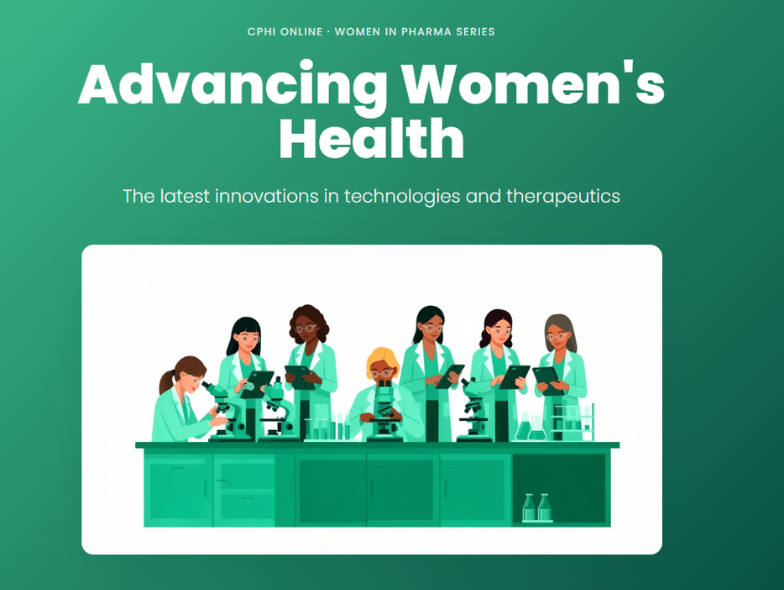
News Women in Pharma: Advancing Women's Health
Discover the latest innovations in technologies and therapeutics that are revolutionising women's health in our latest CPHI Online Women in Pharma infographic.
-

News CPHI Pharma Awards 2026: Recognising Excellence in an Evolving Industry
Submissions now open — deadline May 16
-
News Dr Reddy's to launch generic semaglutide in India
Dr Reddy’s Laboratories, one of India’s leading pharmaceutical companies, is preparing to launch a generic version of semaglutide, branded as Obeda, in March. Obeda is expected to provide a more affordable alternative to Ozempic a... -
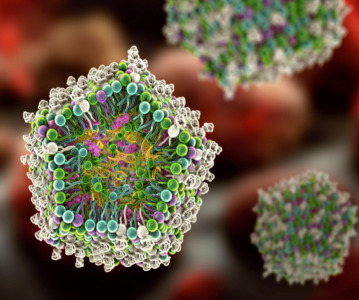
News Frontier Biotech and GSK Forge RNA Therapy Partnership
Frontier Biotechnologies and GSK have entered a global licensing agreement to advance small interfering RNA (siRNA) therapeutics. This collaboration grants GSK exclusive rights to develop and commercialise two promising siRNA candidates, marking a mile...