
Trump's federal funding shift could stifle biotech innovation
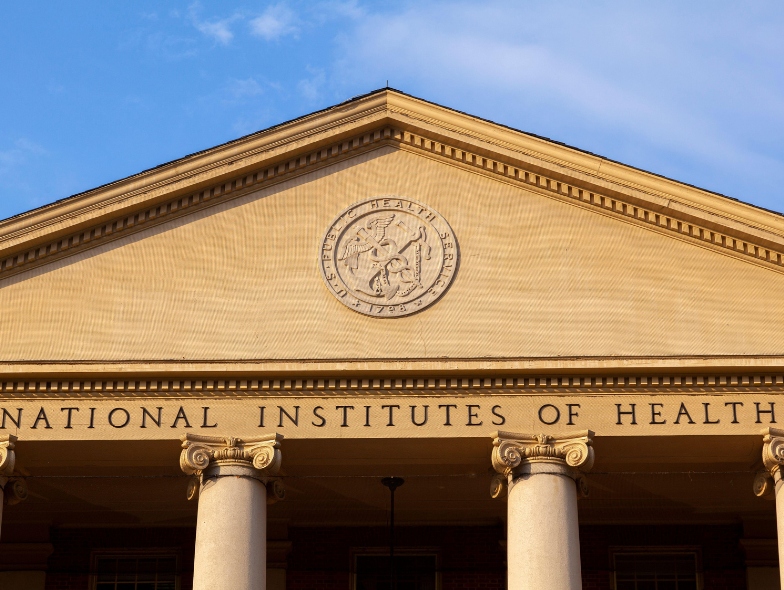
Over a month into the second term of Donald Trump’s presidency and we have already seen some big changes affecting the healthcare industry.
Import tariffs are still coming into effect, with the looming possibility of tariffs to be placed on the EU and the UK.
Now, there will be further financial implications from a Trump Administration, with a set of directives targeting the NIH, surrounding grants for biopharmaceutical research and development.
GlobalData reported that NIH Small Business Innovation Research (SBIR) and Small Business Technology Transfer (STTR) grants involving innovator drugs totalled over $1.4bn between 2020 and so far in 2025, in their Pharma Intelligence Centre Grants Database.
The NIH in the US is the world’s largest funding body for biomedical research, providing federally-backed grants to early-stage small businesses in the US, under each of their programmes. The idea behind the programmes is to encourage innovation with an emphasis on commercialisation. Biotech start-ups across the region are mostly dependent on these grants to fund R&D in the initial phases, in lieu of backing by venture capitals.
The grants database showed that grants involving innovator drugs encountered consistent year-on-year growth, with a 37% increase in grant value between 2020 and 2025. More than 80% of these grants were allocated to companies working in the preclinical stages of development, totalling US$1.1 billion in the four years from 2020 to 2024. This shows the extent of the support the SBIR and STTR programmes are providing for early-stage R&DS for small biotechs. This is helping to propel growth in the industry, where investment in innovation is needed and applauded.
The therapeutic areas that gained the most grant funding in this time window were Infectious diseases (receiving US$295 million), followed by therapeutics for the central nervous system (US$241 million). As an example, biotech company Amplo Biotechnology acquired US$3 million from the SBIR grant programme, to be invested in furthering research into their gene therapy, DOK7-targeting, for the treatment of congenital myasthenic syndromes.
As we move into 2025, with a new administration deciding where government funding will be spent, new restrictions have been set in place. On 8 February the NIH announced the cutting of US$4 billion from the biomedical research funding pot. More of these restrictions include cancellations of NIH grant review panels, and a 90-day funding freeze along with a stop working order for USAID. Both of these new embargoes could have a knock on effect on the progression of drug development research, and cause disruptions to clinical trials, particularly USAID-funded global trials. This could have disastrous impacts on time to market for some therapeutics, even with the cessation of development of drugs, which could have disastrous implications for the lives of patients waiting for treatment.
Broader statements covering the allocation of federal funding from the Trump Administration suggest that government funding will be diverted away from programmes that do not fit directly with Trump’s agenda. Research into areas such as infectious disease, once so popular, will be likely to be drastically cut, and trial applications highlighting diversity in the early-stage research are also more at risk of a decrease in funding allocation.
Source:
Pharmaceutical Technology. Trump presidency signals potential downturn in NIH SBIR/STTR grant funding for biopharma drugs. [Date accessed 19/02/2025].
Related News
-
News Swiss pharma industry warns US tariffs could harm global patient care
The Swiss pharmaceutical sector has raised alarms over new US tariffs on medicines, warning of disrupted supply chains, increased costs, and delayed innovation, all of which could jeopardise patient access to essential treatments worldwide.
-
News Biogen acquires Apellis Pharmaceuticals to boost immunology and rare disease profile
Biogen Inc. has announced its acquisition of Apellis Pharmaceuticals, Inc., a move that is set to significantly enhance its growth portfolio in immunology and rare diseases. The agreement, valued at approximately US$5.6 billion, will see Biogen purchas... -
News Eli Lilly confirms Pennsylvania for US$3.5bn manufacturing site
The company plans to create more than 2,800 manufacturing and construction jobs at Lilly's 10th US manufacturing site announced since 2020.
-
News Drug Approvals from 2025 – Triumphs in the midst of challenges
The following infographic outlines key drugs that have been newly approved by the US FDA in 2025. -
News Johnson & Johnson completes acquisition of Halda Therapeutics
Acquisition brings an advanced, highly differentiated treatment for prostate cancer, strengthening Johnson & Johnson’s longstanding commitment to innovation in the disease. Lead asset demonstrates potential to overcome key resistance pathways ... -
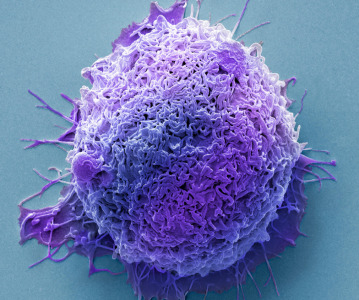
News AI-powered therapy offers hope for rare familial polyposis
Recursion Pharmaceuticals has announced promising results from its ongoing early- to mid-stage trial evaluating its AI-powered treatment, REC-4881, for familial adenomatous polyposis (FAP).
-
News CPHI Podcast Series: From Patents to Public Health: The GLP-1 Journey
The latest episode of the CPHI Podcast Series delves into the future of obesity management globally, offering opinins on might happen after patent expirys and new globals players entering the fray.
-
News From Pharma to Table? Direct-to-consumer pharma sales and price cuts ramp up in US
The pharmaceutical industry is witnessing a seismic shift as major companies embrace direct-to-consumer sales models and announce significant price reductions across the United States, responding to mounting pressure from the Trump administration to ta...