
Genome study discovers 275 million new variants across a diverse population
.png)
A new genome study undertaken in the US, accounting for a diverse range of people, has led to the discovery of nearly 300 million new genetic variants, which could inform markers of disease.
Research into genetic codes over the past few decades has changed the face of drug development, opening up a whole new world of prospects and more efficient ways to help people in need.
The Human Genome Project, which ran from 1990 to 2003, identified, sequenced, and mapped the entire human genome. Since then, scientists have been working to sequence data from people for a variety of reasons, one of which is to help understand rare genetic diseases, and to develop new drugs that can be more targeted to the patient’s needs.
Recently, one study in the US analysed the genetic code of around 250,000 volunteers. The study found over 275 million new genetic variants, showing the extent of the variation in the human population, and hopefully giving some answers as to why disease burden can differ so much across different genetic groups.
Historically, whole genome sequencing has been conducted on small range of people, with quite a distinct lack of diversity – almost 90% of studies have been undertaken on people of European decent – this new sequencing project rectifies this otherwise blinkered view, by specifically ensuring that previously underrepresented groups were included in the study. The US National Institutes of Health funded a study, – "All of Us" – and unearthed a total of 1 billion genetic variants, which this study adds to.
"Sequencing diverse populations can lead to new drug targets that are relevant to everyone," commented Josh Denny, a study author and its chief executive. "It can also help uncover disparities that lead to specific treatments for people that are experiencing higher burdens of disease or different disease."
The study has brought up some interesting insights; we know that genetic variation doesn’t have a direct impact on people's health, however, the study showed that some genetic variations occurred in geographical areas that have a connection to disease risk, nearly 4 million of the newly discovered codes in fact.
"This is huge," stated Denny.
To further this line of investigation, the study group hopes to collect health information, including DNA data, on 1 million people, with the aim of gaining an even greater understanding of the genetic effects on health and disease. By conducting this research on a more diverse population, researchers are hoping to understand how different drug and medicines interact and can be used in these populations, as opposed to the populations that most drug research is currently based on.
"It's a huge gap, obviously, because most of the world's population is not of European ancestry," Denny pointed out.
We have already seen the impact that genetic variation has on drug discovery, taking PCSK9 inhibitors as an example, a class of drugs that lower the levels of low-density lipoprotein (LDL), which were discovered when the genetic code of 5,000 people in Dallas of African ancestry was sequenced.
By opening up the cohort of subjects for genetic sequencing, we are opening up a vast world of opportunity for future drug discovery and development, and can be used in the future to ascertain a population’s or person’s risk of disease.
Learn more about the All Of Us study below.
Related News
-

News Women in Pharma: CPHI India – India’s Pharmaceutical Industry and Gender Inclusion Challenges
India’s pharmaceutical industry has emerged as a significant player in the global market, valued at USD 50 billion in FY 2023-2024, according to Frost & Sullivan’s analysis. This sector encompasses a diverse portfolio, including drugs, vacc... -
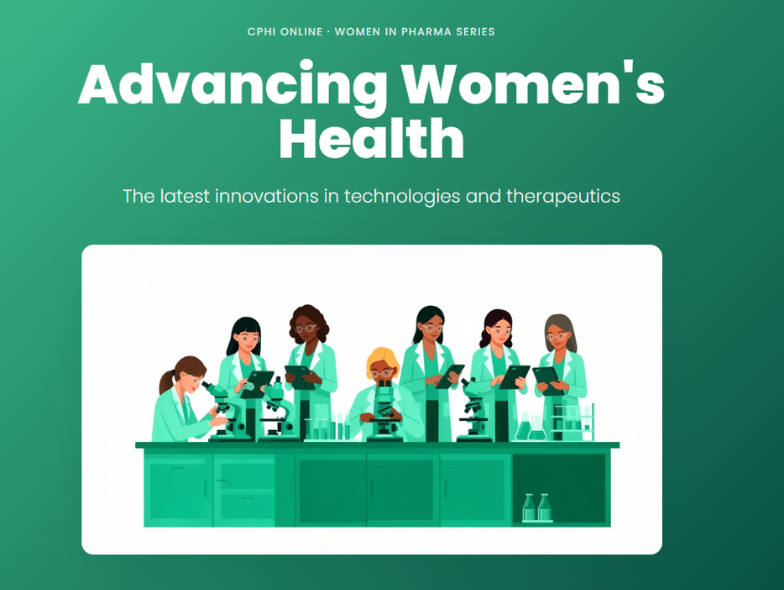
News Women in Pharma: Advancing Women's Health
Discover the latest innovations in technologies and therapeutics that are revolutionising women's health in our latest CPHI Online Women in Pharma infographic.
-

News Women in Pharma: Bridging Science, Strategy, and Equity in Chemicals and Pharma
Our monthly Women in Pharma series highlights the influential lives and work of impactful women working across the pharmaceutical industry, and how the industry can work towards making the healthcare industry and workplace more equitable and inclusive. -

News Women in Pharma: The Final Chapter of 2025
Our monthly Women in Pharma series highlights the influential lives and work of impactful women working across the pharmaceutical industry, and how the industry can work towards making the healthcare industry and workplace more equitable and ... -

News A Day in the Life of a Senior Director at Boehringer Ingelheim
In our Day in the Life of series we love getting to know the people at the heart of pharma. In this latest interview we speak to Sanobar Syed, Senior Director at Boehringer Ingelheim, about her career and what she feels is most important for the f... -

News Women in Pharma: Revolutionising menstrual care with medical devices
Our monthly Women in Pharma series highlights the influential lives and work of impactful women working across the pharmaceutical industry, and how the industry can work towards making the healthcare industry and workplace more equitable and inclusive. -

News Women in Pharma: Quality leadership, quality services
Our monthly Women in Pharma series highlights the influential lives and work of impactful women working across the pharmaceutical industry, and how the industry can work towards making the healthcare industry and workplace more equitable and inclusive. -
News CPHI Podcast Series: Achieving global health equity through innovation
In the latest episode Lucy Chard engages in a compelling conversation with Dr Lengwe Sinkala, a seasoned clinician and Human Factors and User Experience Consultant at ClariMed.