
Novel method for organoid production and storage to accelerate drug development research
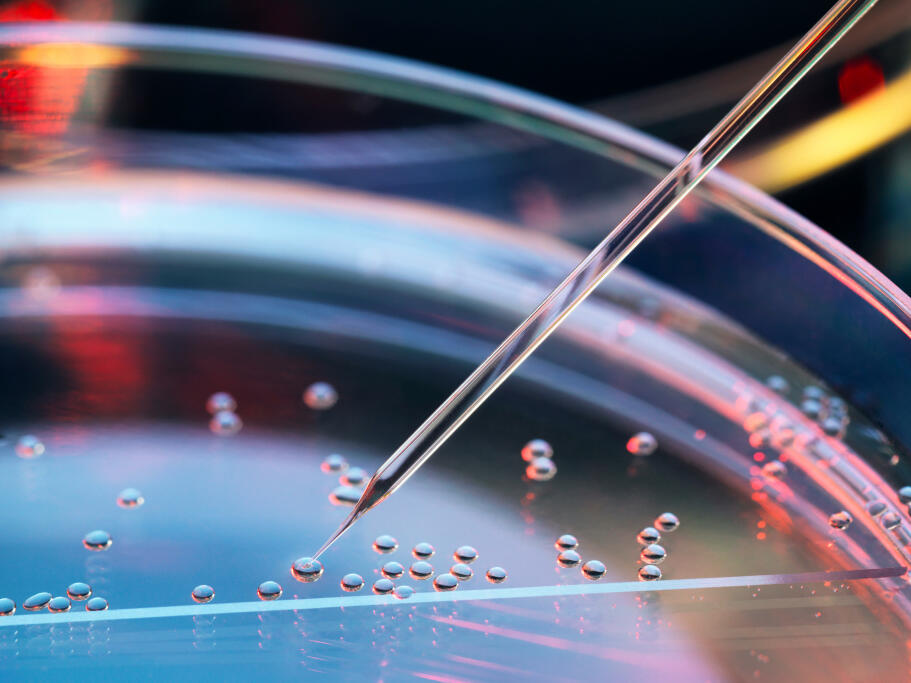
Researchers develop method to produce organoid materials for disease and drug development research.
A team of researchers at Cincinnati Children’s, a hospital and medical centre, have developed a method to consistently make and freeze material required for lab-grown organoids to help accelerate drug development research.
Organoids consist of individualized collections of cells derived from stem cells that resemble a patient’s own tissues. As a result, organoids can be utilized to replicate complex organ tissues and systems as a research tool for therapeutic and drug development. However, bottlenecks continue to persist in development of organoids for such research purposes. For example, one batch of starting material may yield a large quantity of organ precursor cells while another batch of starting material may yield little to none. Such inconsistencies can lead to pipeline delays for preclinical trials during drug development.
The research team at Cincinnati Children’s thus developed a method to overcome such inconsistencies in early-stage organoid formation. In a typical setting, organoid production begins with the collection of skin or blood cells, which are then converted to iPSCs utilized to grow a layer of precursor cells. Ideally, these early-stage organoids spontaneously form 3D balls of cells that are then collected and transferred to a growth medium that provides necessary conditions to grow a specific organ cell type. The novel method developed by the researchers instead places the unused precursor cells in a centrifuge which drive the cells into wells, prompting the formation of 3D cell aggregates. These are then collected and utilized for organoid production. Spheroids created with this method were demonstrated to have no significant difference than those grown spontaneously. Precursor cells were also placed into freezers for storage. Once thawed, the precursor cells continued to form viable spheroids. This method has made possible the mass production of organoids with increased consistency.
Amy Pitstick, manager of the Pluripotent Stem Cell Facility at Cincinnati Children’s, commented:
“This method can make organoids a more accessible tool…We show that the aggregation approach consistently produces high yields and we have proven that precursor cells can be thawed from cryogenic storage to produce organoids of the small intestine.”
Michael Helmrath, Director of Clinical Translation for the Center for Stem Cell & Organoid Medicine, added:
“This is a great step forward for the field on many fronts… To be able to reduce the complexity of the process and provide higher yields is beneficial to our work and to be able to translate the methods to other labs will help move regenerative medicine forward.”
Related News
-

News Swiss pharma industry warns US tariffs could harm global patient care
The Swiss pharmaceutical sector has raised alarms over new US tariffs on medicines, warning of disrupted supply chains, increased costs, and delayed innovation, all of which could jeopardise patient access to essential treatments worldwide.
-
News Women in Pharma: Bridging Science, Strategy, and Equity in Chemicals and Pharma
Our monthly Women in Pharma series highlights the influential lives and work of impactful women working across the pharmaceutical industry, and how the industry can work towards making the healthcare industry and workplace more equitable and inclusive. -
News CPHI Podcast Series: Pharmapack special – Delivering innovation for patient outcomes
This special Pharmapack episode of our podcast, recorded live at Pharmapack 2026, interviews Terence O’Hagan, Vice President of Business Development for Drug Delivery Systems at Stevanato Group, sharing exclusive insights into the company’s... -

News Where Pharma Innovation Takes the Spotlight: Pharmapack Awards 2026
The 2026 Pharmapack Awards, held January 21, 2026, celebrated and recognised leading companies in the pharmaceutical packaging sector paving the way for packaging and drug delivery excellence in the future.
-

News Pharmapack 2026 - From the Floor
Celebrating its 25th anniversary in the city where it all started, Pharmapack 2026 is back in Paris! From January 21-22, 2026, Paris Expo Porte de Versailles opens its doors again to the pharmaceutical packaging and drug delivery sectors, ready for 2 d... -

News Driving Sustainability with Citeo PRO: An Exclusive Interview
Citeo PRO is transforming professional packaging with innovative solutions, collective action, and a dedication to sustainability within the pharmaceutical sector. Discover how they are supporting companies at Pharmapack 2026 in this interview with Dom... -
News Pharmapack's Silver Jubilee: Celebrating 25 Years of Packaging Innovation
For 25 years, Pharmapack has been at the forefront of innovation, collaboration, and progress in the pharmaceutical packaging and drug delivery industry. From its humble beginnings to becoming a global hub for industry leaders, the event has witnessed ... -
News Shaping the future of self-injection: Ypsomed's innovations at Pharmapack's 25th anniversary
Pharmapack 2026 marks a significant milestone as it celebrates its 25th anniversary, bringing together global leaders in pharmaceutical packaging and drug delivery. In this exclusive interview, Ypsomed, a pioneering developer and manufacturer of subcut...