
The latest trends for cosmeceuticals: what is fueling consumer drive towards beauty?
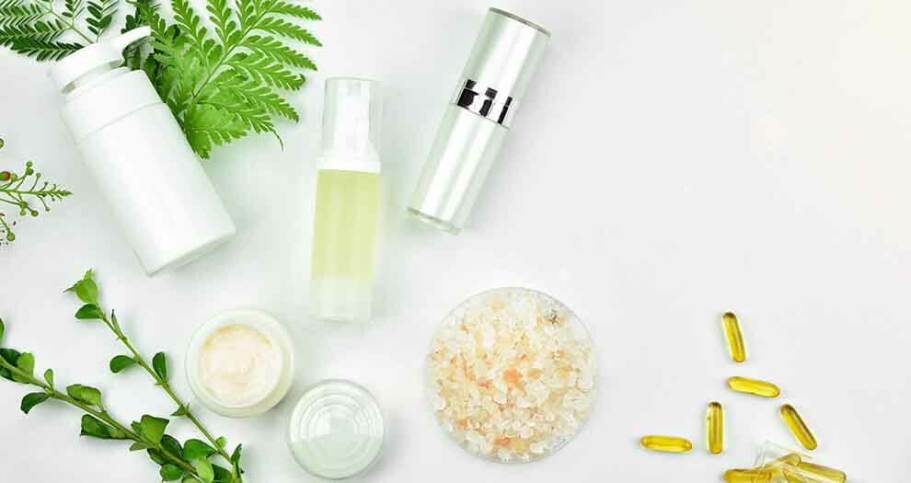
The rise in the concept of ‘self-care’ has forced the beauty and cosmetics industry to think differently about how they launch their products. Martin Oxley, Managing Director at buzzback explains why the cosmeceuticals sector does not just need to know what consumers are looking for in beauty products, but why.
Over recent years, the idea of ‘self-care’ has become an important concept in the lives of consumers, particularly among younger generations. ‘Self-care’ describes the act of prioritising physical and mental wellbeing over the stresses and strains of daily life, and encompasses acts such as sustaining positive sleep patterns, getting enough fresh air and eating five portions of fruits and vegetables a day. Unsurprisingly, the phrase was used frequently during the global pandemic.
The rise in self-care, along with movements such as Body Positivity which defy conventional beauty standards, mean that it has been a time of significant change for the beauty and cosmetics industry. There’s no denying that the definition of beauty has (thankfully) become more inclusive, while the emphasis on inner well-being means consumers now expect cosmetic products that help them feel their best as well as look their best. With these changing demands, there are now new, exciting ways for brands to appeal to consumers.
Buzzback spoke to over 2,000 consumers in the UK and US to find out how consumers are responding to new trends and ingredients in healthcare, wellness and skincare. We wanted to understand which ingredients offer the biggest opportunities for brands and found that over half of consumers have heard of or are open to experimenting with ingredients they have never tried before. With benefits such as lowering blood pressure, consumers are most open to trying products that contain Omega-3 (77%), followed by Turmeric (66%), Probiotics (64%), Rhodiola (64%) and Prebiotics (61%).
Despite only a third of consumers having a complete understanding of each ingredient, shoppers are still keen on trying them, to provide specific remedies for issues they experience. We found that 65% are looking for stress relief remedies, while pain, anxiety and depression management are other major concerns. Around half of consumers would like to see some personal care benefits from the use of a new product, for example skin improvement and whiter teeth from activated charcoal, immune support from probiotics, or increased hair growth from collagen. Because consumers aren’t fully aware of the benefits that ingredients present, there’s a key opportunity for brands to provide education of these benefits to encourage uptake.
But it’s not just the physical benefits of new ingredients that are important to consumers these days. Although veganism was once seen as an extreme diet, over the past decade it has become a mainstream lifestyle choice for ethically and environmentally minded people. It is therefore unsurprising that Buzzback’s recent study into plant-based ingredients showed that almost three quarters of consumers are very or somewhat interested in trying plant-based ingredients.
So, where are the opportunities for cosmeceutical brands to develop plant-based items? While the phrase ‘plant-based products’ might immediately make you think of dairy alternatives and meat substitutes, 6 in 10 consumers are also interested in other plant-based categories, presenting opportunities for brands looking to innovate and meet consumer needs in new ways. Our research showed that 64% of consumers would consider purchasing plant-based shampoos, conditioners, and skin care products, while over 40% would consider purchasing plant-based make up products and hair colours.
To optimise product messaging, brands need to understand why people are taking this leap. For consumers interested in plant-based beauty products, over 70% agree that it’s about environmental concern and animal welfare. Green products allow a guilt-free cosmeceutical experience, reducing risk of damaging the planet and harming animals.
Brands also need to talk about plant-based products and ingredients in the right places. Consumers told us that they mostly find out about plant-based ingredients they want to try using social media (46%), but 38% talk to their friends and family for recommendations and 30% rely on the internet, TV, commercials, online ads and instore displays.
In turbulent times, it’s easy for brands to leap into new product innovations to try and stay ahead of the game. But, when it comes to creating successful beauty and cosmetics products, even when you’re on a tight deadline, consumer centricity is key. Opportunities for plant-based personal care products and beauty products containing activated charcoal or essential oils may be booming, but in a competitive market, cosmetics brands need to do their homework to make sure they get product launches right. By identifying what consumers are really looking for from their moisturiser, make up or shampoo, companies can truly innovate in the right direction, develop new, successful products and deliver value to their customers.
Related News
-

News Packaging Under Pressure: Where Sustainability in Pharma Meets Reality
A Reflection on the Sustainability Collective Roundtable Session at Pharmapack 2026
-
News Driving Sustainability with Citeo PRO: An Exclusive Interview
Citeo PRO is transforming professional packaging with innovative solutions, collective action, and a dedication to sustainability within the pharmaceutical sector. Discover how they are supporting companies at Pharmapack 2026 in this interview with Dom... -
News Reshaping Pharmaceutical Packaging’s Sustainable Future at Pharmapack 2026
Pharmapack 2026 returns as the pharmaceutical packaging industry's premier gathering, bringing together global leaders, innovators, and decision-makers for an unparalleled showcase of cutting-edge solutions and strategic insights.
-

News Introducing the Pharmaceutical Sustainability Ecosystem from CPHI
The Sustainability Collective from CPHI unveils the groundbreaking Pharmaceutical Sustainability Ecosystem to drive pharmaceutical knowledge sharing, connection, and collaboration in order to change the face of sustainability in pharmceutical... -
News Transforming Pharma Sustainability: dsm-firmenich’s Nature and Climate Strategy
In the following interview, dsm-firmenich shows how they are leading the way in pharmaceutical sustainability by addressing key challenges, aligning with the UN SDGs, and driving innovative solutions to build resilient supply chains and reduce env... -

News Tracking Innovation with SK pharmteco: CPHI Frankfurt Track Sponsor Interview
CPHI Frankfurt, to be held at Messe Frankfurt from October 28–30, 2025, will once again bring the pharmaceutical industry together for 3 days of collaboration and innovation. Our Track Sponsor interview series sits down with some of our conferen... -

News Sustainability Report 2025: A Sneak Peek
The Sustainability Report 2025: Strategies for responsible pharma leadership –provides an in-depth exploration of the pharmaceutical industry's most critical sustainability challenges, highlighting innovative solutions through practical case ... -

News Protecting Horseshoe Crabs and Ensuring Responsible Pharmaceutical Practices: A Path Forward
The latest feature from the PSCI updates on the protection of Horseshoe Crabs and ensuring responsible pharmaceutical practices. The pharmceutical industry relies on these crabs to ensure the safety of several medicines, putting the species at risk.&nb...