
World Water Day: the PSCI’s work to improve wastewater treatment, and partnership with the Musi River Revitalisation project
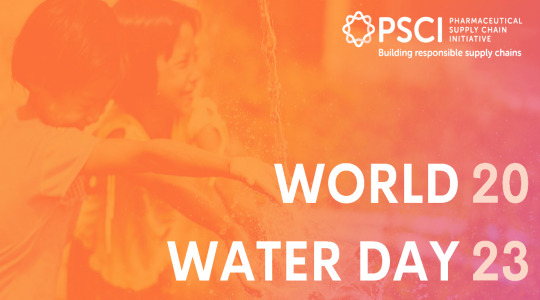
A quarterly series of blog posts about responsible supply chain management from the PSCI Chair, Ingrid Vande Velde.
The Musi River flows through Hyderabad in Telangana State, Southern India, and is fed by the world-heritage Hussein Sagar lake, known to locals as the “heart of the world”.
Once beloved by residents and sought by tourists, it was known for its beauty and amenity. However, in more recent years, industrial growth in the area has led to large-scale pollution of the river, taking it from a stunning destination enjoyed by many, to a contaminated wasteland.
After years of reports about polluted effluents and poor wastewater management practices affecting the lake and the Musi River watershed, the State of Telangana decided it was time to act and end the harmful impacts of pollution on local communities. They announced a long-term initiative to revitalise the area: the Musi River Revitalisation Project.
The project team has been working hard over the last two years to return the river and the surrounding areas to their former glory, but they can’t do it alone. The industrial growth is largely in the pharmaceutical sector, as India is the largest manufacturer of bulk drugs in the world. Many large pharmaceutical suppliers are based in the immediate vicinity of the two drainage canals that flow into the Hussain Sagar.
The Pharmaceutical Supply Chain Initiative (PSCI) represents the majority of the world’s largest pharmaceutical companies who have suppliers in the Musi River area, and after seeing the devastating impact of this industry on the Musi River area, we knew we had to take action. In 2021 we resolved to do our part in revitalising the region, using our influence to engage with suppliers of PSCI members in Telangana to promote better wastewater practices and encourage positive change. Our aim is that every single supplier with a connection to a PSCI member should be visited, audited or contacted directly to promote the best technologies for wastewater management.
Now, two years on, we are continuing to make tangible impacts and build supplier capability within the Musi River basin. As of March 2023, we are in the process of organising an in-person wastewater technologies workshop in the spring of this year. The goal of the workshop will be to build supplier capability in the Musi River catchment area. Wastewater technology companies and best-practice suppliers will be exhibiting their effluent treatment processes throughout the day.
There are also plans for a session on how to use our PEC:PNEC calculator tool for assessing API discharges – one of the many practical means of implementation we have developed to support our members and their suppliers in building sustainable supply chains.
It has been great to watch the progress over the last couple of years and we know that there is still a long journey in front of us. We cannot yet say the Musi River has been fully revitalised and returned to its former glory, but we are proud of the work we have done so far to support this project and are committed to the work that lies ahead.
About the PSCI:
The PSCI – Creating a better supply chain in the pharmaceutical and healthcare industry. The Pharmaceutical Supply Chain Initiative (PSCI) is a group of pharmaceutical and healthcare companies who share a vision of better social, health, safety and environmental outcomes in the communities where we buy. We believe that collectively PSCI members can share knowledge and expertise, across our industry, to drive complex, global change more effectively than any one organization alone.
We have joined forces to promote responsible supply chain management and better business conditions across the industry.
https://pscinitiative.org/home
Follow us on:
Related News
-

News Packaging Under Pressure: Where Sustainability in Pharma Meets Reality
A Reflection on the Sustainability Collective Roundtable Session at Pharmapack 2026
-

News Driving Sustainability with Citeo PRO: An Exclusive Interview
Citeo PRO is transforming professional packaging with innovative solutions, collective action, and a dedication to sustainability within the pharmaceutical sector. Discover how they are supporting companies at Pharmapack 2026 in this interview with Dom... -
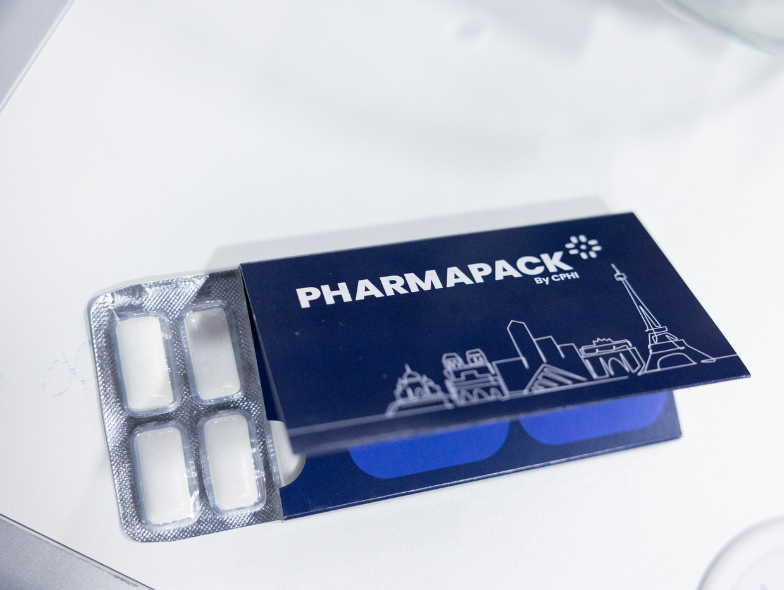
News Reshaping Pharmaceutical Packaging’s Sustainable Future at Pharmapack 2026
Pharmapack 2026 returns as the pharmaceutical packaging industry's premier gathering, bringing together global leaders, innovators, and decision-makers for an unparalleled showcase of cutting-edge solutions and strategic insights.
-

News Introducing the Pharmaceutical Sustainability Ecosystem from CPHI
The Sustainability Collective from CPHI unveils the groundbreaking Pharmaceutical Sustainability Ecosystem to drive pharmaceutical knowledge sharing, connection, and collaboration in order to change the face of sustainability in pharmceutical... -
News Transforming Pharma Sustainability: dsm-firmenich’s Nature and Climate Strategy
In the following interview, dsm-firmenich shows how they are leading the way in pharmaceutical sustainability by addressing key challenges, aligning with the UN SDGs, and driving innovative solutions to build resilient supply chains and reduce env... -

News Tracking Innovation with SK pharmteco: CPHI Frankfurt Track Sponsor Interview
CPHI Frankfurt, to be held at Messe Frankfurt from October 28–30, 2025, will once again bring the pharmaceutical industry together for 3 days of collaboration and innovation. Our Track Sponsor interview series sits down with some of our conferen... -

News Sustainability Report 2025: A Sneak Peek
The Sustainability Report 2025: Strategies for responsible pharma leadership –provides an in-depth exploration of the pharmaceutical industry's most critical sustainability challenges, highlighting innovative solutions through practical case ... -

News Protecting Horseshoe Crabs and Ensuring Responsible Pharmaceutical Practices: A Path Forward
The latest feature from the PSCI updates on the protection of Horseshoe Crabs and ensuring responsible pharmaceutical practices. The pharmceutical industry relies on these crabs to ensure the safety of several medicines, putting the species at risk.&nb...