
Growing domestic manufacturing creates new opportunities for international pharma in the Middle East
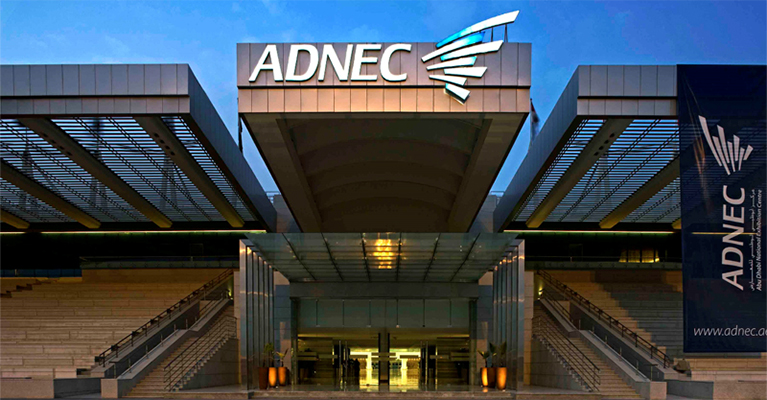
Opportunities abound at CPHI MEA and experts anticipate regional generic companies acting as CMOs for international companies looking to enter the region.
CPHI Middle East expert Emad Shabbir, Director at EMAD Trade House, states favorable conditions and legislative regulations in Saudi Arabia are resulting in a boom of manufacturers and CMOs partnerships with international pharma companies. With the strategic cooperation between regional generic companies and multinational pharma companies, driving increased local production.
Experts believe ahead of the second CPHI MEA (16-18 September 2019) – where nearly 4,900 professionals from over 270 companies will attend – the opportunities in the region are rapidly opening up. “We are witness to this trend first hand, as CPHI MEA is already one of the fastest growing editions in the CPHI series, with an increasing number of international attendees looking for manufacturing partners. Similarly, we’re seeing a rise in ingredients suppliers targeting the region, and the supply chain here is maturing quickly. There are tremendous opportunities in the MEA pharma market, but with such complexities, it’s vital we act as a platform to facilitate connections between regional and multinational companies,” commented Cara Turner, Brand Director at Informa.
Shabbir identified in the GCC (Gulf Cooperation Council) region, there are 35-40 medium-sized pharma manufacturers, with at least 10-15 new plants being built. These manufacturers are working with a wide range of products, with a big focus on biotechs and biosimilar products. Areas highlighted for potential further growth are antibiotics, injectables, IV solutions, and dry powder inhalation.
“In Saudi Arabia, almost every generic producer is also acting as a CMO but there are no dedicated CMOs. This has led large multinational companies, who want to trade in the Middle East market, to either set up their own manufacturing facilities or to use local generic companies as CMOs.” added Shabbir.
As a consequence, Shabbir predicts a rise in partnerships in the GCC between local generic companies and multinational pharma companies as means to reduce financial costs and increase efficiency. Currently, a lot of multinational companies already have marketing and sales offices located in the Middle East, providing them with a good understanding of the market. Governments in the region are pushing for increased local manufacturing with imported drugs suffering from high tariffed premiums. This leaves international companies with two options; either building their own manufacturing facilities and selling the product on the market on their own or partnering with local CMOs. The latter represents a quicker route to market for international companies and many are turning to generic companies in the region acting as CMOs.
Shabbir states that Saudi Arabia is still the central pharmaceutical market in the Middle East because of the high demand for drugs as a result of government tendering. Currently, Saudi Arabia government purchases big contracts of products in bulk, and then distributes the drugs to their hospitals, pharmacies, and other Middle Eastern Countries. By creating a system in which they buy in bulk, manufactures target Saudi Arabia. Additionally, the government has made regulations and toll duties on imported drugs, encouraging products from local manufacturers. As the government has a close interaction with pharma companies, it does guarantee a good standard as the Saudi FDA enforces a strict regulation and compliance terms.
“With the lack of local APIs, there is a greater demand for ingredient providers from API mainstays China and India, as well as providers from regions such as Korea and Europe. Interestingly, there is an increasing number of manufacturers from Central Asia and North Africa coming to CPHI MEA looking for ingredients partners, so it’s very much become a regional hub now.” Added Turner.
CMOs are supplying outside of GCC to Yemen, Iran, and Syria, and hoping to expand to South Africa. Presently, they are not supplying to self-sufficient countries such as Turkey and Egypt, but there might be future opportunities for trade in Europe.
Related News
-
News The PSCI Supplier Partnership - Collaboration for Responsible Supply Chains
About the Pharmaceutical Supply Chain Initiative The Pharmaceutical Supply Chain Initiative (PSCI) is the leading, member-led association for pharmaceutical companies working collaboratively to build responsible supply chains. Founded in 2006 and es... -
News CPHI Americas 2026 - From the Floor
Our From the Floor live blog returns to Philadelphia for CPHI Americas 2026, continuing to showcase the entire pharmaceutical supply chain from north to south across the Americas.
-

News DCAT Week 2026: Insights from Thermo Fisher Scientific
Anil Kane, PhD, MBA, serves as the Executive Director and Global Head of Technical & Scientific Affairs at Thermo Fisher Scientific, a global leader in scientific research and innovation. In this exclusive interview, Kane shares his and Thermo Fisher&#... -

News A Day in the Life of a CPHI Attendee
The series aims to highlight some of the indispensable talent involved in all aspects of the pharma value chain, getting to know the people working towards better healthcare across the world. This special edition aims to get to know the people attendin... -

News CPHI Pharma Awards 2026: Recognising Excellence in an Evolving Industry
Submissions now open — deadline May 16
-
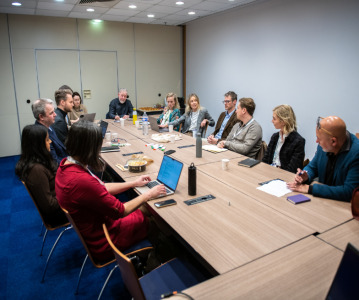
News Packaging Under Pressure: Where Sustainability in Pharma Meets Reality
A Reflection on the Sustainability Collective Roundtable Session at Pharmapack 2026
-

News Where Pharma Innovation Takes the Spotlight: Pharmapack Awards 2026
The 2026 Pharmapack Awards, held January 21, 2026, celebrated and recognised leading companies in the pharmaceutical packaging sector paving the way for packaging and drug delivery excellence in the future.
-
News Pharmapack 2026 - From the Floor
Celebrating its 25th anniversary in the city where it all started, Pharmapack 2026 is back in Paris! From January 21-22, 2026, Paris Expo Porte de Versailles opens its doors again to the pharmaceutical packaging and drug delivery sectors, ready for 2 d...